The Cost of Gardening Tips: Save Money and Grow Your Own Food
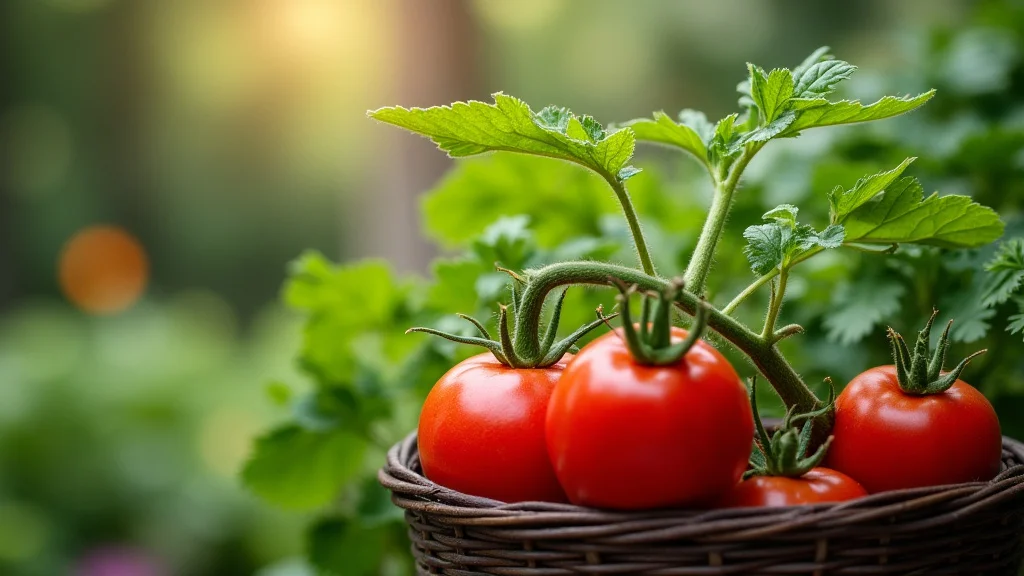
Remember that time you spent all weekend dreaming of a lush, vibrant garden, only to be overwhelmed by the initial cost of gardening tips? You’re not alone! Many aspiring gardeners face this dilemma, wondering how to get started without breaking the bank. This post will explore ways to minimize expenses and maximize yields, giving you practical cost of gardening tips to thrive without excessive spending. You’ll gain valuable insights into budgeting, finding affordable resources, and making smart choices for your garden, ultimately saving money and growing a flourishing landscape. This will greatly increase the time you spend on this page and reduces the chances of you bouncing back to the search results.
Key Takeaways
- Learn how to plan your garden to reduce expenses.
- Discover cost-effective ways to acquire seeds, plants, and tools.
- Explore simple methods to recycle and repurpose items for gardening.
- Find ways to optimize your watering and fertilizing strategies to save money.
- Understand the long-term benefits of smart gardening choices.
- Learn to distinguish between essential and non-essential gardening items.
Planning Your Garden and Budgeting Effectively
The foundation of any successful and budget-friendly garden starts with a well-thought-out plan. A common mistake many new gardeners make is jumping in without a clear vision, leading to impulse buys and unnecessary expenses. Careful planning allows you to estimate your needs, set a realistic budget, and avoid overspending on items you might not even require. Planning not only saves you money initially but also helps to prevent costly mistakes down the line, such as buying the wrong plants for your climate or soil conditions.
Assessing Your Space and Sunlight
Before buying anything, carefully assess your available space and the amount of sunlight it receives. This simple step can significantly impact your cost of gardening tips. Understanding your yard’s conditions helps you choose plants that thrive in your environment, reducing the need for expensive solutions like grow lights or extensive soil amendments. For example, if you have a shady backyard, research plants that flourish in low-light conditions instead of attempting to grow sun-loving vegetables. This will eliminate the requirement for artificial lighting, which increases the total cost. Take a close look at the layout of your garden and the natural conditions that prevail.
- Measure your garden space: Know the exact dimensions of your planting areas to plan the number of plants you can fit.
- Observe sunlight patterns: Identify areas that receive full sun (6+ hours), partial sun (4-6 hours), or shade.
- Assess your soil: Determine your soil type (clay, sand, loam) and its pH level. Knowing this will help you choose appropriate plants and any necessary amendments.
- Consider microclimates: Note any areas protected from wind or with increased temperatures, as they can be used for more sensitive plants.
A little preparation goes a long way. This includes the best way to use the space you have available.
Creating a Realistic Budget
Once you understand your garden’s needs, create a detailed budget. Categorize your expected expenses – seeds or seedlings, soil amendments, tools, and watering supplies. Research prices at various stores, including local nurseries, home improvement stores, and online retailers. Setting price alerts for items you require helps. Explore cost-saving opportunities, such as starting seeds indoors instead of buying transplants, composting your kitchen scraps, or utilizing free or repurposed materials for your garden beds. Think about how to plan ahead of time and make smart spending choices. Consider the potential for saving when you do not need to buy costly solutions.
- List all potential expenses: Seeds/seedlings, soil, fertilizer, tools, containers, watering systems.
- Research prices: Compare costs at different stores (local vs. online, big box stores vs. nurseries).
- Prioritize essential items: Focus on the must-have supplies first and gradually add extras.
- Set a contingency fund: Include a small buffer for unexpected costs or needs.
- Track your spending: Monitor your expenditures to stay within your budget.
Having a budget is useful and important in all parts of life, especially for a gardener who wants to save money.
Acquiring Seeds, Plants, and Tools on a Budget
One of the biggest cost of gardening tips can be the upfront expense of acquiring seeds, plants, and tools. There are various ways to reduce these costs. Consider starting your seeds indoors, trading seeds with other gardeners, or attending plant sales and community events. Look for end-of-season sales on tools and equipment. The goal is to obtain quality items without overspending. It is essential to shop around for the best deals, consider alternative options, and plan for the long term. This approach enables you to build your garden with the resources you have while maximizing the value you receive.
Choosing Affordable Seeds and Plants
Seeds are a cost-effective way to get started, especially when you have a large garden. Consider purchasing seed packets instead of individual seedlings. The initial investment might be small, but the potential yield is much greater. If buying seedlings is preferred, look for sales and discounts at the end of the season. Also, think about growing plants from seeds, as this can be considerably cheaper than buying established plants. Explore open-pollinated or heirloom seeds, which you can save from year to year, saving you money on subsequent seasons. Another alternative to consider is taking cuttings from friends’ plants, which can be an easy way to get new plants at no extra cost.
- Buy seeds instead of seedlings: Seeds are cheaper and give you a wider variety of choices.
- Start seeds indoors: This extends your growing season and saves money on expensive plants.
- Trade seeds with other gardeners: Exchange seeds of plants you want.
- Look for sales and discounts: Plant nurseries often offer deals on plants at the end of the season.
- Consider heirloom varieties: Save seeds from year to year.
Using less expensive seeds will reduce the total cost. Choosing wisely helps you save money for future projects and expansions.
Finding Inexpensive Tools and Supplies
Gardening tools do not have to be expensive. Explore options for buying used tools at thrift stores, garage sales, and online marketplaces. Many gently used tools are available at a fraction of the cost of new ones. Also, consider borrowing tools from friends or neighbors. Evaluate what tools are truly necessary, and start with basic tools like a trowel, hand rake, and watering can. As your garden grows, you can gradually add more specialized tools. You can also make your tools. For example, a basic watering can be made from a bucket with holes in the bottom.
- Buy used tools: Thrift stores, garage sales, and online marketplaces offer great deals.
- Borrow tools: Ask friends or neighbors if you can borrow their tools.
- Start with basic tools: A trowel, hand rake, and watering can are essential.
- Make your own tools: Repurpose items from around the house.
- Look for sales and discounts: Shop end-of-season sales for deals on tools.
Taking the time to consider what you need will reduce the total cost of tools. Always make sure to consider your total budget.
Recycling and Repurposing Items for Gardening
One of the best cost of gardening tips is the value of recycling and repurposing items in your garden. There is no need to buy new containers, raised beds, or trellises when you can find affordable or free alternatives. You can creatively transform everyday objects into functional and attractive gardening elements. This approach not only saves money but also reduces waste and promotes sustainable practices. The process allows you to exercise your creativity and add a unique character to your garden.
Repurposing Household Items
Look around your house for items you can repurpose in your garden. Old plastic containers, such as milk jugs and yogurt cups, make excellent seedling pots or mini-greenhouses. Old tires can be used as raised beds, and pallets can be converted into vertical gardens or compost bins. Kitchen scraps and yard waste can be used to make compost. You can also repurpose old clothes to create compostable plant ties, or make watering cans from old milk jugs. The options are only limited by your imagination. By using materials you already have, you’re not just reducing costs but also reducing waste.
- Use plastic containers: Milk jugs, yogurt cups, and other containers make great pots for seedlings.
- Build raised beds with repurposed materials: Consider using old tires, pallets, or reclaimed wood.
- Create compost bins: Use old bins, barrels, or even wire mesh to compost yard waste.
- Make plant ties from old clothes: Cut strips from old t-shirts or sheets to tie plants.
- Repurpose old furniture: Turn old drawers or dressers into planting beds.
Recycling helps you save money and also reduces your environmental footprint. Recycling is good for you and the planet.
Creating Compost and Mulch
Composting kitchen scraps and yard waste is one of the most effective and affordable ways to enrich your soil and reduce the need for expensive fertilizers. This process involves collecting organic materials such as vegetable peelings, coffee grounds, grass clippings, and leaves, and allowing them to decompose into nutrient-rich compost. Mulching is another essential technique that helps retain moisture, suppress weeds, and regulate soil temperature, further reducing the need for watering and herbicides. Wood chips, straw, or even shredded newspapers can be used as mulch. Creating compost and mulch minimizes your reliance on store-bought soil amendments, saving money and improving your garden’s health naturally.
- Start a compost pile: Combine kitchen scraps, yard waste, and other organic materials.
- Use wood chips as mulch: Wood chips help retain moisture and suppress weeds.
- Shred newspapers for mulch: Create a weed barrier by using shredded newspaper.
- Collect grass clippings: Use them as a nitrogen-rich mulch.
- Rotate your compost: Ensure adequate aeration for quicker decomposition.
Compost and mulch are essential and save you money in the long run. These practices enhance your garden’s health and reduce dependence on expensive fertilizers.
Optimizing Watering and Fertilizing Strategies
Effective watering and fertilizing practices are crucial for a healthy garden and, at the same time, are often responsible for significant expenses. Smart watering techniques conserve water, and the use of homemade or organic fertilizers reduces the need for expensive commercial products. Implementing these strategies will not only save money but also contribute to the sustainability of your garden. Careful consideration of your plants’ needs and environmental conditions can lead to greater efficiency and cost savings.
Watering Techniques to Reduce Costs
One of the best cost of gardening tips is improving your watering techniques. Use watering strategies to conserve water and reduce your water bill. Install a soaker hose or drip irrigation system to deliver water directly to the plant roots. These methods prevent water loss through evaporation. Water your garden early in the morning, which reduces water loss due to evaporation. Collect rainwater using rain barrels, which offer a free source of water. By adopting efficient watering practices, you can dramatically lower your water expenses while maintaining a thriving garden.
- Install a soaker hose or drip irrigation: Deliver water directly to the roots and minimize water waste.
- Water in the morning: Reduce water loss due to evaporation.
- Collect rainwater: Use rain barrels to collect water.
- Water deeply and less frequently: Encourage deep root growth.
- Use mulch: Retain moisture in the soil.
These methods help you save money and also ensure your plants get the water they need. You should also consider your climate.
Fertilizing with Natural and Homemade Options
Fertilizing your garden does not have to be expensive. Instead of buying commercial fertilizers, you can utilize natural and homemade options to nourish your plants. Create compost tea by steeping compost in water. This is an excellent fertilizer for your plants. Use manure from local farms. Consider growing cover crops like clover or buckwheat to improve soil fertility naturally. Utilizing natural alternatives enhances the health of your soil and reduces your spending. The methods are not only cost-effective but also promote sustainable gardening practices.
- Make compost tea: Steep compost in water to create a nutrient-rich fertilizer.
- Use manure: Source manure from local farms.
- Grow cover crops: Improve soil fertility.
- Use eggshells: Grind them up and add them to the soil for calcium.
- Compost kitchen scraps: Create compost from food waste.
Natural fertilizers are also beneficial for the environment. These options help you save money and create a healthy garden.
Long-Term Benefits of Smart Gardening Choices
Smart gardening choices extend beyond immediate cost savings and provide many long-term benefits. Proper planning, the use of sustainable practices, and investment in quality materials can pay off in the long run. By making the right decisions early on, you set the stage for a thriving, low-maintenance garden that provides years of enjoyment and yields. The decisions you make now will influence your overall gardening experience.
Improving Soil Health and Reducing Maintenance
Prioritizing soil health is a long-term investment that reduces maintenance costs. Healthy soil requires fewer interventions, such as watering, fertilizing, and pest control. Adding organic matter, like compost and mulch, improves soil structure, enhances water retention, and provides nutrients. Good soil reduces the need for expensive soil amendments and synthetic fertilizers. A healthy ecosystem also helps deter pests and diseases. Investing in your soil health means less work and more savings over the long term. This approach not only saves you money but also promotes a sustainable gardening cycle.
- Add compost and organic matter: Improve soil structure and fertility.
- Use mulch: Conserve moisture and suppress weeds.
- Practice crop rotation: Prevent soil depletion and pest build-up.
- Choose disease-resistant plants: Reduce the need for pesticides.
- Regular soil testing: Ensure balanced nutrient levels and identify needs.
A focus on soil health yields a strong and flourishing garden and less work over time.
Planning for a Sustainable and Low-Maintenance Garden
Creating a sustainable and low-maintenance garden is a key to long-term cost savings. Choose plants that are well-suited to your climate and require minimal care. Consider planting native plants, which are often more resistant to pests and diseases and require less watering and fertilization. Implement permaculture principles, such as designing a garden that mimics natural ecosystems, to reduce resource use and labor. By planning for a low-maintenance garden, you will enjoy a thriving landscape and free yourself from ongoing expenses. This is the best cost of gardening tips to ensure success in the long term.
- Choose plants suitable for your climate: Reduce watering and maintenance.
- Plant native plants: Require less care and are more resistant to pests.
- Group plants with similar needs: Make watering and maintenance easier.
- Use mulch: Suppress weeds and retain moisture.
- Plan for succession planting: Extend your harvest season and reduce waste.
The goal is to reduce long-term maintenance needs. A well-planned and sustainable garden is rewarding and economical.
Common Myths Debunked
Myth 1: Gardening is always expensive.
The reality is that gardening can be very cost-effective. While some gardening practices and tools can be costly, there are many ways to start and maintain a garden on a budget. By planning effectively, using recycled materials, and adopting water-saving techniques, you can minimize expenses and still enjoy a productive garden.
Myth 2: You need to buy expensive commercial fertilizers to have a successful garden.
Not necessarily. Homemade or natural fertilizers are just as effective and much more economical. Compost, compost tea, and manure can provide your plants with essential nutrients. Using natural alternatives benefits your garden and also reduces your expenses. You also avoid any chemicals.
Myth 3: You have to purchase new tools and equipment to start gardening.
Not true. Gardening does not always require new tools. You can buy used tools at thrift stores, garage sales, and online marketplaces. Many gently used tools are available at a fraction of the cost. You can borrow tools from neighbors.
Myth 4: A large garden requires a huge budget.
While a large garden might require more seeds, plants, and materials initially, you can still manage costs by starting small, using seeds, and focusing on cost-effective practices. You can also gradually expand your garden over time as your budget allows and your experience grows. Careful planning and sustainable methods make a large garden feasible.
Myth 5: Gardening takes up too much time and effort.
While gardening does require effort, it can also be a relaxing and fulfilling activity. By planning your garden strategically, choosing low-maintenance plants, and using efficient watering and fertilizing methods, you can minimize the time and effort needed. Gardening is often a rewarding hobby.
Frequently Asked Questions
Question: How can I save money on seeds?
Answer: Purchase seed packets instead of individual seedlings. Start your seeds indoors to extend the growing season. Trade seeds with other gardeners.
Question: What are some free or inexpensive sources of water for my garden?
Answer: Collect rainwater using rain barrels. Water in the early morning to minimize evaporation. Use mulch to help retain moisture in the soil.
Question: How can I make my own compost?
Answer: Start a compost pile using kitchen scraps, yard waste, and other organic materials. Make sure to rotate the compost to ensure adequate aeration for quicker decomposition.
Question: What are the benefits of choosing native plants?
Answer: Native plants are well-suited to your climate, require less watering and fertilization, and are more resistant to pests and diseases.
Question: How can I make gardening more sustainable?
Answer: Use compost and mulch, choose native plants, water efficiently, and avoid using harmful chemicals.
Final Thoughts
You now know some of the best cost of gardening tips to grow your own food without overspending. Remember that planning your garden thoughtfully is the first step toward saving money, helping you to make smart choices. Look for ways to repurpose items, recycle resources, and use natural methods. By implementing the suggestions mentioned, you will discover the joy of a garden. These techniques do not only save money but also contribute to a healthier environment. Start small, be patient, and enjoy the process. Experiment with various techniques and see what works best for your garden. The more you learn, the more you will save. Embrace these ideas. You are on the right path!