Gardening with the Current Moon Phase and Cultivating Success
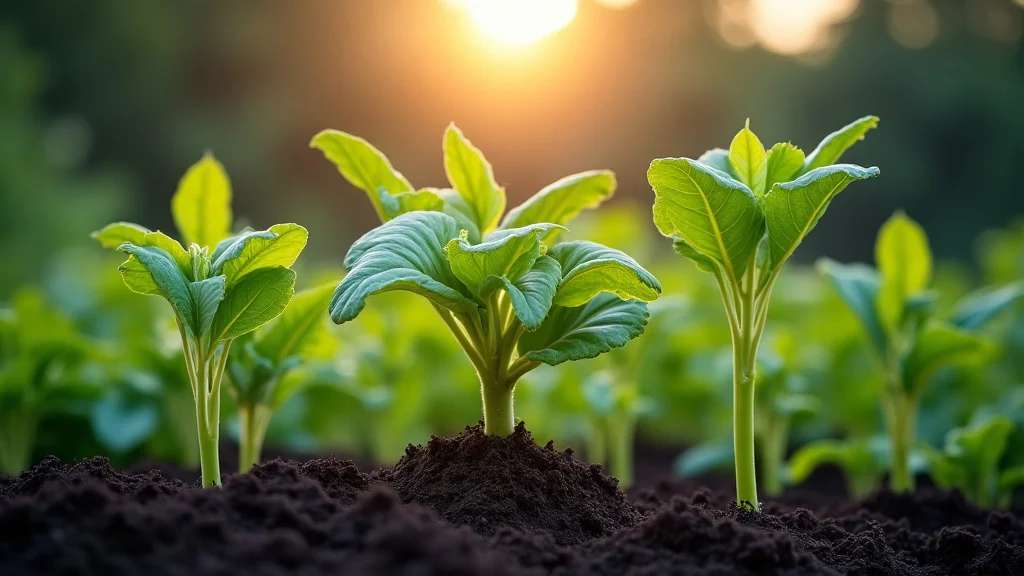
Remember that time your tomato plants just wouldn’t produce, despite your best efforts? Maybe the current moon phase today held the key. Many gardeners swear by the lunar calendar, believing the moon’s position influences everything from seed germination to harvest. This post will explore how the phases affect your garden, offering practical gardening tips to help you plan your planting and increase your yields. You’ll gain a greater appreciation for the natural rhythms of the Earth and the cosmos, improving your gardening practices and enjoying a more bountiful harvest. Get ready to transform your garden and experience the joy of lunar gardening!
Key Takeaways
- Learn how the moon phases influence plant growth and development.
- Discover specific gardening tips for each lunar phase.
- Understand which plants thrive when planted under specific moon signs.
- Maximize your garden’s productivity by synchronizing with the lunar cycle.
- Explore the best times for planting, weeding, and harvesting.
- Enhance your gardening skills by embracing lunar gardening practices.
The Lunar Cycle and Its Gardening Influence
The moon, our closest celestial neighbor, doesn’t just look pretty in the night sky; it exerts a significant pull on the Earth, affecting tides, weather patterns, and, as many believe, plant growth. The gravitational force of the moon influences the water content in the soil, impacting seed germination and root development. Also, the light reflected by the moon and its journey through the zodiac constellations are believed to impact plants. This section will explore the four main phases of the lunar cycle, their corresponding effects on plants, and how to adapt your gardening tips accordingly. This will guide you in becoming a more successful gardener and learning how to plan the right activities at the right time.
Understanding the Four Main Moon Phases
The lunar cycle is approximately 29.5 days long, and it’s divided into four main phases: the new moon, the first quarter, the full moon, and the last quarter. Each phase has unique energetic properties, impacting plant growth in distinct ways. The positioning of the moon in its cycle is believed to affect how water and nutrients move through plants, influencing everything from the roots to the leaves. To successfully use gardening tips, it is vital to keep track of the current moon phase, which can change every day.
- New Moon: This is the phase when the moon is not visible in the sky. During the new moon, the gravitational pull of the moon is at its lowest, and the energy is believed to be focused inward, encouraging root development.
- First Quarter: As the moon begins to wax, the first quarter marks a period of increasing light and energy. This phase is associated with above-ground growth, making it a favorable time for planting leafy greens and annuals.
- Full Moon: This is the most visually striking phase, characterized by the moon’s full illumination. It’s believed that during the full moon, there is maximum energy, and moisture is near the surface. This makes it a great time for harvesting, as the flavors are often concentrated.
- Last Quarter: In the last quarter, the moon wanes, and light decreases. It’s a favorable time for planting root crops, allowing nutrients to be directed towards the roots.
During the new moon, energy is believed to be focused inward, promoting root growth. This makes it an ideal time to plant root vegetables such as carrots, beets, and potatoes. It’s also a good time to plant seeds deep in the soil since the gravitational pull is not as strong. The new moon is perfect for starting new projects, as energy tends to be more concentrated. For example, use this time to start prepping your garden beds, adding compost, and planning your layout. This allows you to set the stage for a successful growing season by putting the focus where it’s needed.
During the first quarter, the moon’s light increases, encouraging growth above ground. This is a beneficial time for planting leafy greens like lettuce, spinach, and kale. The rising light is beneficial for annuals such as flowers. This phase also favors the development of strong stems and leaves. Water and nutrients are drawn upwards, promoting vibrant foliage. Keep in mind that seeds planted during this phase need regular moisture to facilitate quick germination. Proper watering and care ensure they flourish during this beneficial period of growth.
The full moon has the greatest gravitational influence, drawing moisture upwards. This phase is best for harvesting fruits, vegetables, and herbs. The flavors are at their peak because the plant’s sap is most concentrated during this phase. It’s also suitable for planting above-ground crops, such as tomatoes and peppers. To ensure a bountiful harvest, schedule your picking sessions around the full moon. During this time, consider taking cuttings to propagate new plants. When the moon is full, it’s a great time to evaluate your garden and plan for the next cycle.
During the last quarter, light diminishes, encouraging root growth. This is the ideal time to plant root crops such as carrots, beets, and potatoes. This also means it’s a great time to do any weeding, as the plants struggle to draw energy to their leaves and stems. Consider this a time to prune, and remove dead or diseased foliage. Pruning during this phase allows plants to redirect their energy toward root development. This phase is suitable for storing any harvested crops. Remember to use all available gardening tips to increase the growth in this phase.
Matching Plants to Moon Phases
Different types of plants respond best to different moon phases. Some plants thrive when planted during the waxing moon, while others benefit from being planted during the waning moon. By understanding these associations, you can maximize your chances of success and time your gardening tips appropriately. This section outlines some common plant types and when they are best planted according to lunar cycles.
- Leafy Greens: Leafy greens, such as lettuce, spinach, and kale, are best planted during the first quarter, as they benefit from the increasing light and energy that promotes above-ground growth.
- Root Vegetables: Root vegetables, such as carrots, beets, and potatoes, are most successful when planted during the new or last quarter, when energy is directed toward root development.
- Fruiting Vegetables: Fruiting vegetables, such as tomatoes, peppers, and cucumbers, can be planted during the first quarter or full moon, as they benefit from the rising energy and moisture near the surface.
- Flowers: Flowers benefit from the increasing light of the first quarter, which helps them develop strong stems and beautiful blooms.
The first quarter is the perfect time for planting leafy greens. The upward energy during this phase encourages vigorous growth above ground, resulting in lush foliage. The increasing light enhances the development of stems and leaves. Ensure that you have adequate soil moisture, which is critical for quick germination. This will guarantee a successful harvest of fresh, vibrant greens. With attention to these gardening tips, you’ll soon be enjoying homegrown salads bursting with flavor.
The new and last quarters are the ideal times for planting root vegetables. During these phases, the energy focuses inward, promoting robust root systems. Carrots, beets, and potatoes benefit from the downward pull. In the new moon, plant deeper to encourage root growth. In the last quarter, energy is concentrated at the roots, making them strong. Ensure the soil is well-prepared, and water regularly. Using these lunar gardening tips will guarantee a healthy and productive root vegetable harvest.
Planting fruiting vegetables during the first quarter or full moon encourages the development of fruits. During the first quarter, growing light stimulates above-ground growth, while the full moon concentrates sap, enhancing flavor. Tomatoes, peppers, and cucumbers will thrive when planted during these times. Ensure adequate spacing, water frequently, and provide nutrient-rich soil. Following these gardening tips helps guarantee a bountiful and flavorful harvest of your favorite vegetables.
The first quarter of the lunar cycle is ideal for planting flowers, encouraging robust growth. The increasing light promotes the development of strong stems and vibrant blooms. Annuals planted in this phase will flourish. Ensure that the soil is properly prepared and enriched. Watering should be done regularly, and proper placement in a sunny location is important. Use these gardening tips to beautify your garden and enjoy colorful and flourishing flowers.
Zodiac Signs and Their Effects
Beyond the phases of the moon, its position within the zodiac constellations also affects gardening tips. Each zodiac sign is associated with a specific element (earth, water, fire, and air), which influences the type of activities that are most beneficial for your garden. Knowing these associations allows gardeners to make informed decisions about when to plant, weed, and harvest. This section provides an overview of the zodiac signs and how they apply to gardening tips.
Understanding the Zodiac Elements
The zodiac signs are divided into four elements: earth, water, fire, and air. Each element influences different aspects of plant growth. Earth signs are ideal for planting root vegetables, water signs are good for leafy greens, fire signs are suitable for fruits and flowers, and air signs are suitable for tasks like weeding. By understanding these elemental associations, gardeners can synchronize their practices with the zodiac energies, boosting their garden’s productivity.
- Earth Signs (Taurus, Virgo, Capricorn): Earth signs are generally considered the most beneficial for planting root crops, as they promote strong root development. These signs are also considered good times to plant perennial flowers and other plants that require stability.
- Water Signs (Cancer, Scorpio, Pisces): Water signs are favorable for planting leafy greens, as they enhance water retention and encourage above-ground growth. This is also a good time for irrigation and fertilizing.
- Fire Signs (Aries, Leo, Sagittarius): Fire signs favor planting fruits, flowers, and vegetables that produce above ground, as they provide energy for the flowering and fruiting process. This is also a good time for harvesting.
- Air Signs (Gemini, Libra, Aquarius): Air signs are often considered less productive for planting. However, they are ideal for tasks such as weeding, cultivating the soil, and pest control, as these activities benefit from air’s energetic properties.
Earth signs are ideal for activities that focus on the foundation of the garden. They are particularly beneficial for root crops because they promote robust root development. This time is good for planting perennials and shrubs that require a stable environment. Focus on building up your soil through composting and mulching. Earth signs are also great for transplanting and creating new garden beds. Apply these gardening tips to your garden and reap the rewards of a well-grounded and productive garden.
Water signs are perfect for nurturing leafy greens. They support water retention and encourage the lush growth of leaves and stems. These phases are suitable for watering and fertilizing plants, as they facilitate the efficient absorption of nutrients. During these times, focus on tasks related to watering and soil health. Enhance soil moisture and ensure that your plants get the water they need. You should apply these gardening tips to maximize productivity in your garden.
Fire signs are favorable for activities that need dynamic energy. They promote the growth of fruits, flowers, and above-ground vegetables. Harvesting is also best during these signs, as plants contain the most energy. When the moon is in a fire sign, focus on fruit-bearing crops and flowering plants. These are also ideal times to harvest. Pruning, and cleaning up your garden are other activities. Utilizing these gardening tips will help create a vibrant garden.
Air signs are not the best time for planting, but they are great for maintenance activities. Weeding, soil cultivation, and pest control are ideal during air signs. These activities benefit from the element’s energy. Focus on removing weeds, aerating the soil, and keeping pests at bay. These phases are good for planning and organizing the garden. To achieve a healthier and more productive garden, try these gardening tips, and apply them accordingly.
Matching Zodiac Signs to Gardening Tasks
Knowing the moon signs is essential for timing your tasks and increasing your results. For example, root crops thrive when planted under earth signs, while leafy greens flourish during water signs. Use these associations to plan your garden activities. This section provides a practical guide on when to plant, weed, and harvest, based on the zodiac signs.
- Planting:
- Root Vegetables: Best planted under earth signs (Taurus, Virgo, Capricorn).
- Leafy Greens: Most successful when planted under water signs (Cancer, Scorpio, Pisces).
- Fruits and Flowers: Thrives when planted under fire signs (Aries, Leo, Sagittarius).
Planting root vegetables under earth signs provides the ideal environment for root development. The focus of these signs supports the downward growth of root systems. The soil composition also plays a key role, making these times best for soil preparation. Following these gardening tips maximizes the yield of root crops such as carrots, beets, and potatoes. This allows you to create healthy and fruitful gardens.
Water signs are perfect for leafy greens, enhancing their ability to retain water. This element encourages the lush growth of leaves and stems, resulting in vibrant, healthy plants. Water signs encourage the use of fertilizer and irrigation. Use these gardening tips to enhance your lettuce, spinach, and kale harvests, making sure you maintain a steady supply of fresh, nutrient-rich greens.
When you plant under fire signs, energy is abundant and helps plants flourish. The rising energy stimulates blooming flowers and thriving fruits. The fire signs promote all the activities relating to harvesting. Use these gardening tips when planting tomatoes, peppers, and various flowering plants. This ensures your garden will blossom with color.
- Weeding and Pest Control:
- Best performed under air signs (Gemini, Libra, Aquarius).
Air signs are ideal for clearing weeds and controlling pests. They offer a favorable environment for cleaning your garden beds. Use this time to prepare the soil and get rid of pests that can harm your plants. Make sure the soil is aerated and free of unwanted organisms. Air signs support the implementation of preventive measures, promoting a healthy, pest-free garden. By using these gardening tips, you can maintain a garden that is vibrant.
- Harvesting:
- Harvest during a full moon, regardless of the sign.
Harvesting during the full moon is ideal because the sap and flavors are concentrated during this time. The full moon provides the most concentrated energy to facilitate harvesting. Use these phases to gather fruits, vegetables, and herbs. These gardening tips are designed to enhance your garden harvests. Ensure your plants thrive and are productive.
Practical Application of Moon Phase Gardening
Putting lunar gardening tips into practice involves several steps, from tracking the moon phases to adapting your planting and maintenance schedule. Successful lunar gardening requires observing and adjusting your practices to work with the natural rhythms. This will guide you in effectively incorporating lunar phases into your gardening routine, including how to use tools, and record your findings.
Tracking the Moon Phases
To successfully integrate lunar gardening into your practices, you need to track the moon phases. There are several ways to do this, ranging from using traditional calendars to taking advantage of digital resources. This section will guide you through the process of tracking the phases.
- Calendars: Utilize calendars that display the moon phases. Many gardening calendars specifically include lunar phases, making it easier to plan your activities. These will show the current moon phase today.
- Mobile Apps: Use mobile apps that provide real-time information. Various apps offer information on the current moon phase, zodiac sign, and best times for gardening tasks.
- Online Resources: Consult online resources. Websites that provide lunar calendars and planting guides offer detailed information on moon phases and their impact on gardening.
Gardening calendars are designed to provide the moon’s phases, making it convenient for planning your tasks. Many gardening calendars are available to help you understand the appropriate times for planting, weeding, and harvesting. Calendars often mark the zodiac sign that the moon is in. You can also make notes about when you’ve had the best harvest or most success. Using these calendars will make gardening tips easier to use.
Mobile apps can be a valuable tool, offering real-time data on the moon phase, the current zodiac sign, and also suggested gardening activities. By using these apps, you can easily access the information you need, regardless of your location. These apps often include reminder features. You can set reminders to inform you when a certain task should be done. These gardening tips are ideal when used with a mobile app.
Online resources offer lunar calendars and planting guides. Websites often provide details about the moon phases, zodiac signs, and optimal times for planting and other gardening tasks. Look for sites that offer detailed articles and guidance. You’ll find tools like planting schedules based on moon phases and region. Use these resources to plan your tasks and make your garden flourish. This is where gardening tips are at their best.
Creating a Gardening Schedule
Creating a gardening schedule helps you stay organized and plan your activities. This involves noting the moon phases and zodiac signs to align your planting, weeding, and harvesting tasks. A structured schedule will keep you in sync with the lunar cycle, maximizing your garden’s potential. Here is a guide on how to create a lunar gardening schedule.
- Assess Your Garden:
- Analyze your garden’s current state. Note the existing plants, the soil quality, and the overall layout. This will help you plan your tasks.
Analyzing your garden is essential for creating an effective schedule. Start by assessing your garden. Note any existing plants, current soil quality, and existing layout. Take note of any areas that need attention. This assessment will serve as the foundation of your plan. Decide which plants you want to grow, and where they should be placed, based on their needs. Then, you can tailor your approach. The use of these gardening tips is a great way to start.
- Track the Moon Phases:
- Use calendars, apps, or online resources to track the moon phases.
Using these resources will allow you to see the current moon phase today, and help you to plan your gardening activities according to the lunar cycle. Keep records of the phases and corresponding dates. This will help you plan your tasks. Note any unique observations or successful strategies that you can apply. You can tailor your schedule by using these gardening tips.
- Plan Your Tasks:
- Align your planting, weeding, and harvesting tasks with the appropriate moon phases.
Your planting, weeding, and harvesting tasks will need to be aligned with the moon phases, based on the specific needs of each plant and type of activity. Plan your planting activities around the new and first quarters. Weeding and pest control should be done when the moon is in an air sign. Harvesting is best during the full moon. This will ensure that you maximize your yield. Make sure you use these gardening tips for better results.
- Keep a Gardening Journal:
- Document your activities, observations, and results to monitor what works best for your garden.
Keeping a gardening journal can help you learn more about what works in your garden. Record all the activities, and your own observations, and results. These are great tools for monitoring your progress and discovering which methods yield the best outcomes for each lunar cycle. By taking notes, you can also identify patterns in your garden. Use these gardening tips to adjust and optimize your schedule over time.
Common Myths Debunked
Myth 1: Lunar gardening is just folklore and has no scientific basis.
While some practices lack rigorous scientific backing, the principles of lunar gardening have roots in observable natural phenomena. The moon’s gravitational pull influences water movement, impacting soil moisture and plant growth. Studies have shown correlations between planting times and crop yields, suggesting a legitimate impact of lunar phases. The cycles of the moon are undeniable, and using gardening tips that are correlated to the moon phases can have a positive effect on your garden.
Myth 2: You must rigidly follow every lunar guideline to see results.
Lunar gardening provides a framework for planning, but flexibility is essential. Soil conditions, climate, and personal experience are crucial. The lunar cycle is an additional factor, not a rigid set of rules. You can find success by following general gardening tips and gradually incorporating lunar principles into your current methods. Adjust your strategies based on your observations, and make adjustments as needed.
Myth 3: Lunar gardening is only for experienced gardeners.
Anyone can start lunar gardening. Begin with simple observations. Track the phases and correlate them with your gardening activities. Learning how to follow the current moon phase today is a great starting point. Try planting a few seeds during the new moon and see how they compare to a batch planted in a different phase. You can start by incorporating easy gardening tips. Gradually experiment and incorporate lunar gardening into your existing methods.
Myth 4: Lunar gardening means avoiding fertilizers and pesticides.
Lunar gardening doesn’t exclude the use of fertilizers and pesticides. These should be chosen carefully and used responsibly to maintain garden health. The practice focuses on timing and energy rather than completely avoiding modern methods. You can still use these tools while aligning your planting and maintenance tasks with the lunar cycle. Using gardening tips doesn’t mean you have to forsake the tools you already use.
Myth 5: All plants respond the same way to the lunar cycle.
While the overall principles apply, different plants respond differently. Some plants thrive during the waxing moon, while others favor the waning moon. Familiarize yourself with the specific needs of the plants you are growing, and align your gardening tips accordingly. You can tailor your practices to each plant type for optimal results. It’s crucial to understand the unique characteristics of each plant species.
Frequently Asked Questions
Question: When is the best time to plant root vegetables?
Answer: Root vegetables should be planted during the new or last quarter, when the moon’s energy encourages root development.
Question: How does the full moon affect harvesting?
Answer: The full moon is ideal for harvesting, as the plant’s sap is most concentrated, resulting in more flavorful produce.
Question: Are water signs good for any activities?
Answer: Water signs favor planting leafy greens and watering plants, which promotes water retention and above-ground growth.
Question: Can I use fertilizers in lunar gardening?
Answer: Yes, fertilizers can be used, but choose them carefully and time their application with the lunar cycle to maximize their effectiveness.
Question: How do I get started with lunar gardening?
Answer: Begin by tracking the moon phases, using calendars, apps, or online resources, and aligning your planting and maintenance tasks with the lunar cycle.
Final Thoughts
Embracing the rhythms of the moon can elevate your gardening experience. By understanding how the current moon phase today influences your garden, you can synchronize your actions with the natural world, maximizing your yields. This approach goes beyond simply planting seeds; it provides a deeper connection to nature’s cycles, and a more fulfilling gardening experience. By incorporating these gardening tips into your schedule, you will witness the transformative power of lunar gardening. Start tracking the moon phases, and experiment with lunar-based planting and maintenance to unlock a new dimension in your garden. See how your crops flourish and feel the satisfaction of gardening with nature’s timetable. Start your journey today, and see your garden transform!