Commercial Gardening Examples and Tips for Thriving Green Spaces
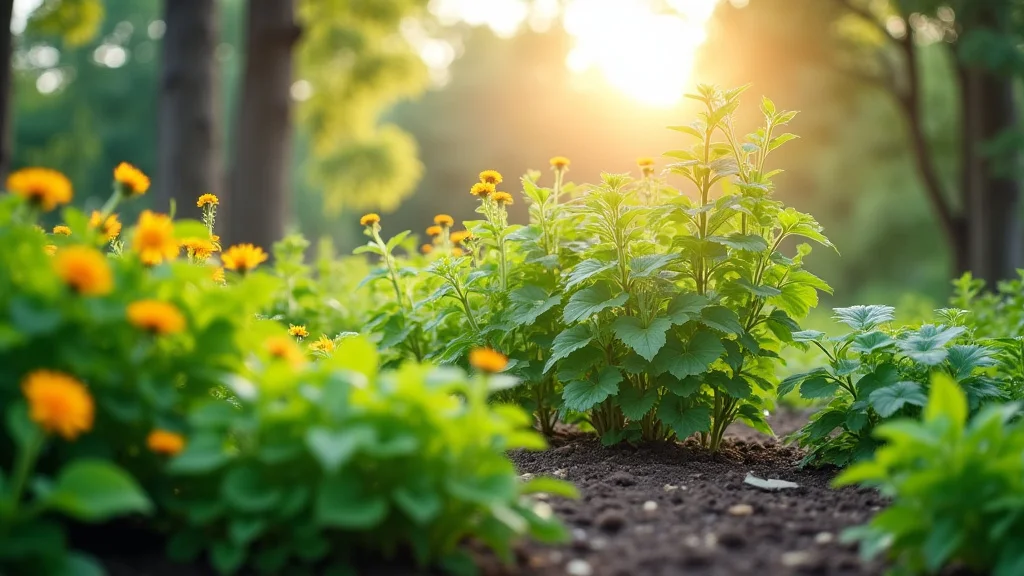
Imagine strolling through a vibrant park, the air filled with the scent of blooming flowers and freshly cut grass. Or perhaps you picture a bustling restaurant, its outdoor seating area enhanced by lush, carefully curated plants. These scenes, and countless others, are the result of skillful commercial gardening. It’s more than just planting flowers; it’s about creating appealing and functional outdoor spaces. In this post, we’ll explore some exciting commercial gardening examples and tips to help you transform your business’s outdoor area into something amazing. You’ll gain practical knowledge, sparking fresh ideas, and be equipped to enhance your own green spaces.
Key Takeaways
- Discover a variety of commercial gardening applications across different industries.
- Learn essential planning steps for successful commercial landscaping projects.
- Gain valuable tips on plant selection, considering factors like climate and maintenance.
- Explore efficient maintenance practices to keep your gardens thriving year-round.
- Understand the importance of sustainability and eco-friendly gardening.
- Find useful resources for further learning and project implementation.
Diverse Applications of Commercial Gardening
Commercial gardening has a broad scope, influencing various industries and settings. From brightening office buildings to improving retail spaces, the uses are vast. It’s a way to boost the atmosphere, create positive first impressions, and even increase business. Consider how a well-maintained garden can significantly impact the overall customer or employee experience. The strategic placement of plants, the thoughtful selection of materials, and the ongoing care contribute to the desired atmosphere. The aesthetic appeal of greenery can enhance the user experience, while simultaneously improving the functionality of a space.
Commercial Landscaping for Businesses
Businesses often use commercial landscaping to attract and retain clients and improve employee morale. A well-designed landscape provides a welcoming environment, reflecting a positive brand image. This can include anything from attractive flower beds and well-manicured lawns to outdoor seating areas and water features. The overall design should reflect the business’s values and cater to the specific needs of its audience. This requires thought about style, scale, and the practicalities of ongoing upkeep.
- Office Buildings: Create inviting entryways, break areas, and outdoor meeting spaces to enhance employee satisfaction and present a professional image.
- Retail Spaces: Boost curb appeal and attract customers with attractive displays, seasonal plantings, and accessible pathways.
- Restaurants: Enhance dining experiences with outdoor seating, edible gardens, and decorative plantings, increasing customer enjoyment.
Office buildings often use landscaping to soften the look of their structures and create welcoming spaces. This may include foundation plantings, such as shrubs and perennials around the building’s base. These are not only attractive but can also provide insulation and reduce energy costs. Well-maintained lawns can provide open areas for employees to relax and enjoy the outdoors. Landscaping also can include walkways, seating areas, and even small water features to create inviting spaces for employees and visitors alike. The goal is to create a peaceful and aesthetically pleasing environment that contributes to a positive work atmosphere.
Retail businesses use landscaping to draw customers in and keep them engaged. Carefully designed landscaping can create a favorable first impression, encouraging people to enter the store. Consider attractive flower beds, strategically placed trees, and well-maintained walkways. Seasonal plantings, such as spring bulbs or colorful summer annuals, can be rotated to keep the visual interest fresh. Landscaping can extend beyond the main entrance to outdoor seating areas, creating a comfortable space where customers can relax and enjoy themselves. The goal is to make the retail space look inviting and memorable, boosting foot traffic and sales.
Restaurants commonly use commercial landscaping to create appealing outdoor dining areas and improve the overall atmosphere. Outdoor spaces can range from simple patios with planters to elaborate gardens complete with dining tables and ornamental features. Edible gardens, where herbs and vegetables are grown, add visual interest and can be used to provide fresh ingredients for the restaurant. Decorative plantings, such as flowering plants and shrubs, enhance the aesthetic appeal of the space. Consider using lighting to highlight these elements, allowing guests to dine comfortably at any time. The aim is to make the restaurant attractive and inviting, contributing to a pleasant dining experience.
Commercial Gardening for Public Spaces
Public spaces, like parks, libraries, and government buildings, benefit greatly from commercial gardening. These areas focus on providing comfortable and attractive environments for the community. The goal is to provide a pleasant atmosphere while ensuring easy access and low maintenance. Public landscaping focuses on the public’s needs, creating areas for recreation and relaxation while also providing environmental benefits. Effective commercial gardening creates inviting and functional areas. These projects require careful consideration of community needs, traffic patterns, and environmental factors.
- Parks and Recreation Areas: Create recreational spaces with playgrounds, walking paths, and beautiful garden displays to improve community well-being.
- Educational Institutions: Add greenery to school grounds and campuses with functional gardens, improving educational and aesthetic appeal.
- Healthcare Facilities: Create therapeutic gardens and peaceful outdoor areas to improve patient well-being and encourage healing.
Parks use landscaping to create enjoyable and functional spaces for the community. This often involves creating recreational areas like playgrounds and walking paths. Beautiful garden displays, such as rose gardens and seasonal flower beds, add to the aesthetic appeal of parks. The design must consider accessibility and safety for visitors of all ages and abilities. Careful maintenance is essential to ensure that the spaces remain attractive and safe throughout the year. The primary aim is to improve community well-being by providing opportunities for outdoor recreation and relaxation.
Educational institutions frequently use landscaping to improve the aesthetic appeal and functionality of their grounds. Landscaping might include plantings along walkways and around buildings. Functional gardens can include outdoor classrooms and educational gardens that offer students hands-on learning experiences. The goal is to create attractive, safe, and engaging environments for learning and socializing. These initiatives can also improve the overall image of the institution, attracting prospective students and staff.
Healthcare facilities often use commercial gardening to create therapeutic spaces that improve patient well-being. These spaces provide patients, visitors, and staff with access to nature, which can reduce stress and promote healing. This might involve creating sensory gardens, where plants are chosen for their textures, scents, and colors, or building walking paths through gardens. Careful planning includes considering factors like accessibility, safety, and the needs of specific patient populations. The aim is to provide a peaceful, restorative environment that supports physical and mental recovery.
Planning and Design of Commercial Gardening
Successful commercial gardening starts with a detailed plan. This includes evaluating the site, defining the goals of the project, and choosing the right plants. A well-thought-out plan sets the stage for a beautiful and sustainable garden. Site analysis is a foundational step, and involves assessing the existing conditions of the area. Defining goals and objectives sets the tone for the design, ensuring that the final outcome meets the needs of the client or the public. Selecting the best plants is a balance of aesthetics and functionality, taking into consideration the site conditions, maintenance needs, and design objectives.
Site Assessment and Analysis
A complete site analysis is crucial for any commercial gardening project. This involves inspecting soil conditions, understanding light exposure, and evaluating drainage. Proper soil testing determines the soil’s pH level and nutrient content. This information informs the choices of plants that will thrive. Light exposure, whether full sun, partial shade, or full shade, dictates which plants will do well in the area. Drainage is equally important. Areas that are poorly drained can lead to waterlogged soil, which can harm plants. An understanding of these elements helps ensure a successful and sustainable garden.
- Soil Testing: Understand the soil composition to determine appropriate plant choices and fertilization requirements.
- Sunlight Exposure: Determine the amount of sunlight the area receives to select plants suitable for the specific light conditions.
- Water Drainage: Evaluate the drainage capabilities of the site to prevent waterlogging and choose appropriate plants.
Soil testing provides information about the composition of the soil, which is essential to plant growth. The pH level, which measures acidity or alkalinity, helps determine the type of plants that will thrive. Nutrient levels, such as nitrogen, phosphorus, and potassium, are essential for plant health. Soil tests can also reveal the presence of any heavy metals or other contaminants that might affect the health of the plants or the people who use the space. Regularly testing can ensure that the soil is healthy and provides what plants need.
The amount of sunlight the garden receives has a major effect on which plants will grow well. Areas that get full sun, receiving at least six hours of direct sunlight each day, are suitable for sun-loving plants. Areas with partial shade, which receive sunlight for several hours each day, are more suitable for a variety of plants. Shade-tolerant plants, which prefer little or no direct sunlight, are ideal for areas with heavy shade. Understanding sunlight exposure is critical to selecting plants that will thrive and contribute to the beauty of the area.
Proper water drainage is essential to plant health. Areas with poor drainage can lead to waterlogging, which can cause root rot and other problems. Evaluate the natural drainage of the site by observing how water flows after rain. Consider the soil type, which affects how quickly water drains. Consider factors like the slope of the land and the presence of any obstructions, such as pavement or buildings. Choosing plants that are suited to the drainage conditions helps maintain a healthy garden. This might mean selecting plants that are tolerant of wet conditions or amending the soil to improve drainage.
Developing a Landscape Plan
Creating a landscape plan involves setting specific goals and objectives. The plan must consider how the space will be used, the budget, and the desired aesthetic. The goals could be improving curb appeal, creating a relaxing outdoor area, or growing food. Once the goals are clear, a detailed plan can be developed. This includes a layout of the garden and the selection of plants and materials. This may also include information about irrigation, maintenance, and ongoing care. A complete plan will act as a roadmap for the project, ensuring that the final result meets the expectations.
- Defining Goals: Clearly outline the purpose of the garden to guide design choices.
- Choosing a Design Style: Select a design that complements the surrounding architecture and the client’s needs.
- Budgeting: Prepare a detailed budget for materials, labor, and ongoing maintenance.
Defining clear goals for the garden is essential to ensure that the design meets the needs. Consider the desired function of the garden: Is it to enhance the aesthetic of the space, provide a relaxing outdoor area, or grow food? Other goals could include creating a sustainable garden, attracting customers, or improving employee well-being. Once the goals are established, it’s easier to make decisions about the design, plant selection, and materials. This also helps with staying within budget and ensures the garden serves its intended purpose. Setting clear goals makes the entire project more successful.
Selecting a design style is a key step, complementing the surrounding architecture and the specific needs. Consider the style of the building and the overall aesthetic of the space. Examples include formal gardens, which often feature symmetrical designs and geometric shapes, and naturalistic gardens, which imitate the feel of natural landscapes. Think about the client’s preferences and requirements. The design should reflect the character of the space, whether it is modern, traditional, or something unique. The design plan should integrate all elements into a cohesive and appealing whole.
Developing a detailed budget is crucial for the financial management of a commercial gardening project. The budget should include the cost of all materials, from plants and soil to hardscaping elements like paving stones or benches. Calculate labor costs, including the expense of professional landscapers and any ongoing maintenance services. Account for unexpected costs, such as plant
Plant Selection and Placement
Choosing the right plants is critical to the success of any commercial gardening project. Selecting plants that are appropriate for the climate, soil conditions, and intended use of the space is very important. Consider factors like sunlight exposure, water availability, and the plants’ maintenance requirements. Plant selection should also take into account the aesthetic appeal, texture, and color of the plants. The overall objective is to create a landscape that is both beautiful and functional, adding to the client’s space and needs.
Selecting the Right Plants
A good choice of plants involves considering various factors. The local climate is very important. Choose plants that can endure the local weather patterns. Soil conditions, including pH levels, nutrient levels, and drainage, affect plant health. Select plants that are well-suited to the soil conditions of the site. Plant functionality, like providing shade, privacy, or attracting wildlife, should also be thought about. The intended use of the space will affect the plant choices. Consider the desired aesthetic and choose plants that contribute to the overall design of the garden.
- Climate and Hardiness: Choose plants that are well-suited for the local climate, considering temperature, rainfall, and frost dates.
- Soil Conditions: Select plants appropriate for the soil type, considering drainage, pH level, and nutrient content.
- Maintenance Requirements: Choose plants that align with the available resources for maintenance, including watering, pruning, and fertilization.
Selecting plants that can endure the local climate is a foundational step in commercial gardening. The USDA Plant Hardiness Zone Map is a tool that categorizes regions based on their average minimum winter temperatures. Choosing plants that are within the hardiness zone of the location ensures they can survive the coldest months. Consider also the annual rainfall and the frequency of droughts, selecting plants that can handle the available water. Plant selection also includes factors like humidity, wind patterns, and the length of the growing season. This leads to a beautiful, resilient garden that requires minimal effort.
Choosing plants that thrive in the existing soil is important to plant health and growth. Certain plants do well in well-drained soil, while others prefer wetter conditions. Soil pH, which measures acidity and alkalinity, influences how plants can absorb nutrients. Nutrient levels, such as nitrogen and phosphorus, can affect plant growth and flowering. Before planting, determine the soil type through soil testing. Select plants that are suitable for the conditions to achieve the best results. Consider modifying the soil by adding compost or other amendments to create the perfect growing conditions.
It’s important to choose plants that align with the resources available for maintenance. Some plants require frequent watering, regular pruning, and routine fertilization, while others are low-maintenance and require minimal attention. Factor in the labor and costs associated with maintaining the garden, and choose plants that fit the client’s budget and willingness to dedicate time. Consider using drought-tolerant plants or native species, which generally need less water and care. Choosing plants that are naturally adapted to the environment and require less maintenance can result in a beautiful garden that stays healthy with minimal effort.
Planting and Arrangement Techniques
Proper planting and arrangement improve the garden’s look and functionality. Consider the spacing of plants, which ensures they have enough room to grow and thrive. Grouping plants with similar needs, such as sunlight and water requirements, makes maintenance easier. Paying attention to the mature size of plants to prevent overcrowding is also important. Strategic placement of plants can also create attractive focal points and guide traffic flow through a space. Thoughtful planting and arrangement contribute to a visually pleasing and functional garden design.
- Spacing: Provide adequate spacing between plants to allow for growth and prevent overcrowding.
- Grouping: Arrange plants with similar needs together to simplify watering and care.
- Aesthetic Considerations: Balance the plants’ colors, textures, and heights to create visual appeal.
Proper plant spacing is important for the health and aesthetics of the garden. Insufficient spacing leads to overcrowding, which leads to limited sunlight exposure and reduced air circulation. This can cause weak growth, disease, and insect infestations. Check the mature size of the plant to determine the correct spacing at the time of planting. Consider how the plants will look as they grow. Adequate spacing ensures that each plant receives the resources it needs to thrive. It can also improve the overall design of the garden, allowing the plants to complement each other and provide visual interest.
Grouping plants with similar needs simplifies maintenance and improves plant health. Group plants with comparable sunlight and water requirements. This makes watering and fertilization more efficient, as you can tailor the care to the needs of each group. Grouping can also create a visually pleasing landscape, as plants with similar textures, colors, or growth habits can be combined. Grouping plants with similar needs can enhance the overall functionality and look of the garden. Careful grouping can help to establish a healthy and beautiful landscape.
Aesthetic considerations are essential to create a visually appealing garden. Consider how different plant types can balance their colors, textures, and heights to add visual interest. Use a color palette that suits the client’s preference and the surrounding environment. Varying textures and foliage adds depth and contrast, and different heights can create layers within the landscape. Using these considerations ensures the garden is beautiful and balanced. This leads to a visually pleasing space that invites relaxation and enjoyment.
Maintenance and Sustainability in Commercial Gardening
Ongoing maintenance is essential for keeping commercial gardens healthy and beautiful. Regular watering, pruning, and fertilization promote plant health and vitality. Integrated pest management, which involves using a variety of strategies to control pests and diseases, is critical. Sustainable practices are also becoming increasingly important. Practices like water conservation, soil health management, and the use of native plants help to reduce environmental impact. Combining these practices ensures the long-term health and sustainability of the garden.
Watering and Irrigation
Efficient watering is essential for maintaining a healthy garden. Water according to the specific needs of the plants. Using an irrigation system, such as drip irrigation or sprinklers, ensures that water reaches the roots directly. Scheduling watering sessions based on the weather conditions, soil type, and plant needs prevents overwatering and underwatering. Implementing water-saving measures, such as using mulch, can also help to conserve water. Efficient watering and irrigation help to conserve water resources and promote healthy plant growth.
- Watering Schedules: Establish watering schedules based on plant needs, weather, and soil conditions.
- Irrigation Systems: Use efficient irrigation systems, like drip irrigation, to deliver water directly to plant roots.
- Water Conservation: Implement water-saving measures, such as mulching and rainwater harvesting.
Establishing watering schedules that align with plant needs, the weather, and soil conditions is important for garden health. Consider the water requirements of different plants and adjust watering accordingly. Monitor the weather forecast and adjust watering schedules to account for rainfall and changes in temperature. Check the soil moisture levels regularly, using your finger or a moisture meter. Proper watering promotes healthy plant growth and prevents water waste. Developing a good watering schedule is essential to help keep the garden thriving.
Efficient irrigation systems are key to delivering water efficiently. Drip irrigation systems deliver water directly to the roots, which minimizes water loss through evaporation. They are a good option for all types of gardens, as they use less water and help to prevent the spread of diseases. Sprinkler systems are commonly used in larger areas, but it’s important to ensure they are adjusted to avoid overwatering and water waste. Choose the right irrigation system based on the garden type, the plants being grown, and the specific needs. Using water-efficient systems like these helps to save water, promote plant health, and lower water bills.
Implementing water-saving measures is a sustainable practice. Mulching helps to retain moisture in the soil, reducing the amount of water needed for irrigation. Rainwater harvesting collects rainwater from roofs, which can be used to water the garden. Choose drought-tolerant plants, which need less water. Water your garden in the early morning or late evening, to reduce water loss. These conservation methods reduce water bills, support plant health, and contribute to the health of the environment.
Pruning and Fertilization
Regular pruning promotes the health and appearance of the plants. Pruning removes dead, damaged, or overgrown branches. Fertilization provides essential nutrients for plant growth. Choose the correct fertilizer according to the plants’ needs. Avoid over-fertilizing, which can damage plants and pollute the environment. Pruning and fertilization work together to keep plants healthy, vital, and beautiful. These practices contribute to a garden that’s healthy and appealing.
- Pruning Techniques: Practice proper pruning techniques to promote plant health and improve aesthetics.
- Fertilization: Provide plants with necessary nutrients through appropriate fertilization practices.
- Pest and Disease Control: Implement integrated pest management to manage pests and diseases.
Good pruning is important for maintaining the health and looks of the garden. Regular pruning removes dead, damaged, or diseased branches, encouraging new growth. Pruning also helps to shape plants and control their size, preventing them from becoming overcrowded or blocking pathways. Understanding how to prune different types of plants can help to encourage flowering, improve fruit production, and enhance the overall look. Proper pruning is essential to keep the garden healthy and beautiful.
Fertilization supplies plants with important nutrients. Select fertilizers that are appropriate for the plants’ needs. Soil testing can show which nutrients are lacking. Use fertilizers according to the product directions, and avoid over-fertilizing, which can damage the plants. Fertilizing at the right time of year, based on the plants’ growth patterns, can improve the efficiency. Fertilizing contributes to plant health, vigorous growth, and abundant flowering. It helps maintain the quality and vitality of the garden.
Integrated Pest Management (IPM) is a sustainable approach to managing pests and diseases. IPM combines a variety of tactics, including cultural practices, biological control, and the responsible use of pesticides. Cultural practices, like proper watering, pruning, and plant selection, help to prevent pest and disease problems. Biological control uses natural predators, like beneficial insects, to control pests. Using pesticides only when necessary, and only in a way that minimizes environmental impact, is a key part of IPM. IPM is an effective way to keep the garden healthy while protecting the environment and the health of the people who use the space.
Sustainable Practices
Incorporating sustainable practices can reduce environmental impact and improve the garden’s long-term health. Choosing native plants, which require less water and maintenance, supports biodiversity. Composting organic waste returns nutrients to the soil and decreases waste. Using natural pest control methods and reducing the use of synthetic chemicals reduces the impact on the environment. Sustainable practices can create a healthy and beautiful garden that supports environmental conservation. Using these sustainable practices has a positive effect on the planet and the well-being of the community.
- Native Plants: Choose native plants to promote biodiversity and reduce the need for irrigation and fertilizers.
- Composting: Compost organic waste to enrich the soil and reduce waste in landfills.
- Chemical Reduction: Minimize the use of synthetic fertilizers and pesticides to protect the environment.
Choosing native plants is an important part of sustainable gardening. Native plants are adapted to the local climate, soil conditions, and native pests. Because they have adapted to their surroundings, they often need less water, fertilizer, and pest control. Native plants also provide food and habitat for native insects, birds, and other wildlife, encouraging biodiversity in the garden. Planting native species can add to the health of the ecosystem and lower the overall cost of maintenance.
Composting organic waste adds to the fertility of the soil and reduces waste. Collect yard waste, like leaves and grass clippings, and food scraps, and turn them into compost. Compost is a nutrient-rich material that can be added to the soil to improve its structure and provide essential nutrients. Compost also helps to retain moisture and improve drainage, which helps plants to thrive. Composting reduces the amount of waste that is sent to landfills, helping to conserve resources and reduce pollution.
Minimize the use of synthetic fertilizers and pesticides to protect the health of the environment. Synthetic fertilizers can pollute waterways and harm beneficial insects. Pesticides can damage the ecosystem. Use organic fertilizers, like compost, which provide nutrients without the environmental impact. Use integrated pest management (IPM) techniques to control pests and diseases. IPM involves using a variety of practices to prevent pest problems. These practices will protect the environment, human health, and ensure the long-term sustainability of the garden.
Common Myths Debunked
Myth 1: Commercial gardening is only for large businesses.
In reality, commercial gardening is beneficial for businesses of all sizes, from small shops to large corporations. The scale may differ, but the principles of good design, plant selection, and maintenance remain the same. Smaller businesses can use planters and decorative elements. The goal is to create an appealing environment that enhances customer or employee experiences.
Myth 2: Commercial gardens are difficult and require a lot of work.
While maintaining any garden takes effort, thoughtful planning and using suitable plants can reduce the labor needed. Choosing low-maintenance plants, using efficient irrigation systems, and regular pruning helps keep the garden in good shape. Professional services can also be used to manage maintenance, if necessary. The aim is to create a beautiful garden with a reasonable effort.
Myth 3: Native plants are unattractive and only suitable for wild areas.
This is far from the truth. Many native plants are beautiful and come in a broad range of colors, textures, and forms. Many of them can fit into commercial landscapes. Native plants provide ecological benefits like support for local wildlife, and can even be easier to care for than many non-native plants. Their natural resilience makes them a valuable choice for any project.
Myth 4: Commercial gardening is too expensive to implement.
While creating a commercial garden does involve expenses, the advantages often outweigh the costs. A well-designed landscape can increase property values, attract customers, and improve employee satisfaction. Careful planning and budgeting can help keep costs manageable, and investments in quality materials and professional services often pay off in the long run. There are many cost-effective ways to improve the surroundings.
Myth 5: All commercial gardens must have perfect, manicured lawns.
The trend is now toward more diverse and sustainable landscapes. Lawns require a lot of maintenance and water. More and more businesses and public spaces are using a broader range of landscape features. This includes native plant gardens, rain gardens, and xeriscaping. These designs are better for the environment, need less maintenance, and can create a fresh aesthetic. This shows a move towards practicality and a fresh aesthetic.
Frequently Asked Questions
Question: How often should I water my commercial garden?
Answer: Watering frequency depends on the plants, climate, and soil. Monitor soil moisture regularly and adjust watering schedules accordingly.
Question: What’s the best way to control pests in a commercial garden?
Answer: Employ Integrated Pest Management (IPM), which uses various control methods, including biological controls.
Question: How can I make my commercial garden sustainable?
Answer: Use native plants, compost, conserve water, and reduce the use of synthetic fertilizers and pesticides.
Question: What should I consider when selecting plants for my business?
Answer: Consider the climate, soil conditions, maintenance requirements, and the desired aesthetic when selecting plants.
Question: How do I choose a design style for my commercial landscape?
Answer: Choose a design that complements the architecture, the location, and the desired image of the business.
Final Thoughts
Creating thriving green spaces through commercial gardening is more than simply arranging plants; it’s about making a positive impact on businesses and public spaces. By implementing the suggestions and techniques we’ve explored, you can boost the appeal of any location, add to sustainability, and even improve the well-being of the people who use the space. Remember the importance of planning and analysis, selecting the right plants for the conditions, and keeping up with regular maintenance and sustainable practices. So, get started today! Explore your options, use the information provided, and transform your surroundings into lively and inspiring green spaces. Your dedication to your space will make a difference.