Bill Jack Gardening Tools: Uses, Tips, and How to Use Them
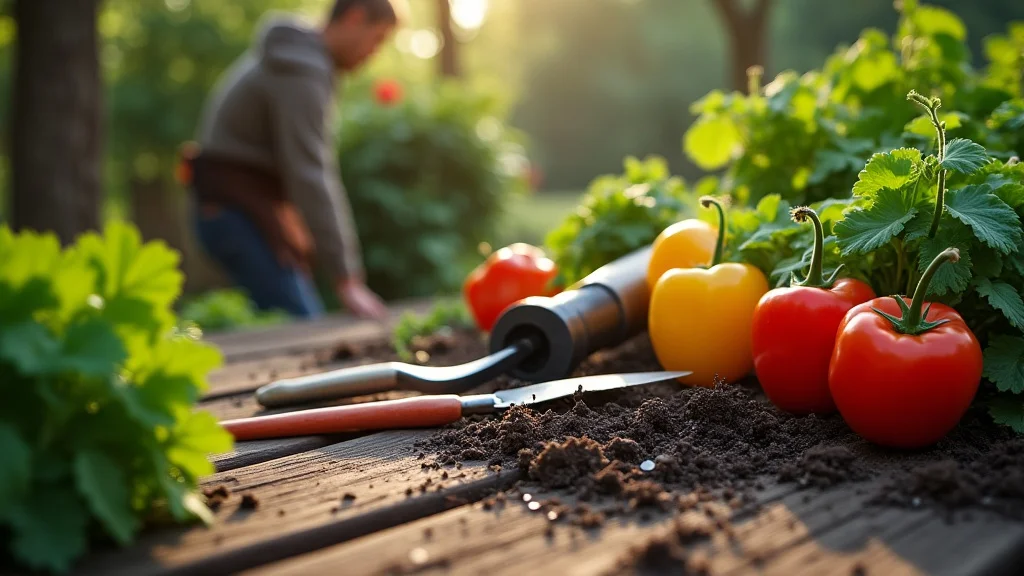
Remember that time you tried to plant a rose bush, and your trowel snapped in half? We’ve all been there. Choosing the right bill jack gardening tools can be the difference between a flourishing garden and a frustrating afternoon. This guide is your friendly companion, exploring the practical bill jack gardening tools uses and tips. You will learn the best ways to approach your gardening projects, from preparing the soil to harvesting your bounty. We will discuss everything you need to know to get started.
Key Takeaways
- Learn about the various types of bill jack gardening tools and their specific functions.
- Discover how to choose the right tools for different gardening tasks.
- Gain tips for maintaining and caring for your gardening tools to extend their lifespan.
- Understand the importance of safety when using gardening tools and how to stay safe.
- Explore how bill jack gardening tools can help enhance your gardening experience.
- Get insights into common gardening challenges and how the right tools can help overcome them.
Getting Started With Bill Jack Gardening Tools
Whether you’re a seasoned gardener or just starting, having the right equipment is essential. Bill Jack gardening tools are recognized for their quality and durability, making them a great choice for both beginners and professionals. The initial investment in these tools pays off with their longevity and performance. The basic set-up will equip you to tackle most tasks. Selecting the appropriate tool can make your gardening tasks less labor-intensive and more enjoyable.
Essential Bill Jack Gardening Tools
Every gardener needs a basic set of tools. These tools are the foundation of any gardening project, allowing you to prepare the soil, plant, and maintain your plants effectively. Investing in quality tools from the start ensures you have equipment that lasts and performs well. There are many options when purchasing the right tools, and these considerations are important.
- Trowel: A small, handheld tool perfect for digging small holes for planting seedlings and transplanting small plants. The trowel’s shape allows precise digging, minimizing root disturbance. Its size makes it ideal for working in tight spaces.
- Hand Rake: Used to level soil, remove debris, and prepare the ground for planting. It is helpful for spreading mulch evenly or for removing small weeds. Hand rakes also are excellent for tidying up garden beds after weeding.
- Transplant Trowel: This trowel features a narrower blade and a longer handle, ideal for digging deeper holes for planting larger plants or transplanting. It is also suitable for separating plants that are crowded. This specialized trowel is essential for efficiently transplanting your plants.
- Hand Cultivator: With its sharp, curved tines, the hand cultivator is perfect for breaking up compacted soil and removing weeds around plants. This tool is useful for aerating the soil, allowing water and nutrients to reach the roots of your plants. It can be a great time saver.
A high-quality trowel is built to last. Many are constructed from stainless steel to resist rust and corrosion. Some include ergonomic handles for increased comfort during extended use. Properly choosing the correct trowel is crucial for getting the job done efficiently. The right size is essential for a good fit in your hand.
Hand rakes come in various sizes and shapes, with different tine configurations suited for diverse tasks. Consider the spacing and number of tines when selecting a hand rake. The handle material and design can influence comfort and ease of use. A sturdy hand rake will save you time and energy.
A transplant trowel allows you to work with more accuracy and less root disturbance. This tool is often slightly curved to help scoop plants out of the ground with ease. The handle is built to give you more leverage.
The cultivator’s design allows it to work in small spaces without disturbing the plants you want to keep. The ergonomic handle design minimizes fatigue during long hours of gardening. Select a hand cultivator with sturdy tines.
Choosing the Right Bill Jack Gardening Tools for the Job
The best bill jack gardening tools uses and tips depend on the specific tasks in your garden. The right tool choice can make a significant difference in efficiency and ease of use. Considering the material, handle style, and size will help you make the best decision. This will also ensure your tools are suitable for your specific gardening conditions and personal preferences. Thinking ahead before you make your choices will result in great investments.
Tool Materials and Durability
The materials used in bill jack gardening tools directly impact their durability, performance, and maintenance requirements. You want tools that are strong enough for the job. Choosing the correct tool materials will extend the life of your equipment. Knowing what to look for will make a big difference.
- Stainless Steel: Tools made from stainless steel are resistant to rust and corrosion, making them suitable for wet or humid environments. They also require less maintenance than tools made from other materials. Stainless steel tools are often preferred for their clean appearance and long lifespan.
- Carbon Steel: Carbon steel tools are stronger and can hold a sharper edge, making them ideal for tough tasks like digging in hard soil. However, they are more susceptible to rust, so they require more care and maintenance. It is an excellent choice for heavy-duty work.
- Handles: Handles are usually made from wood, fiberglass, or metal. Wooden handles offer a classic feel and are comfortable, but they can rot if not stored properly. Fiberglass handles are strong, lightweight, and weather-resistant, while metal handles provide durability.
Stainless steel tools are a good investment, particularly if you garden in areas with high humidity or frequent rainfall. They’re also easy to clean and often retain a sharper edge for longer periods.
Carbon steel tools are a good choice when you need tools that can handle tough tasks. Regular cleaning and oiling are necessary to prevent rust. They’re a favorite among serious gardeners who appreciate their strength.
The choice of handle material depends on personal preference and the specific use of the tool. Wooden handles require more care but can be replaced if they break. Fiberglass and metal handles are low-maintenance but may not be as comfortable.
Handle Design and Ergonomics
The handle design and ergonomics of a gardening tool significantly affect comfort and efficiency. It can reduce fatigue during extended use. The correct handle design is often a factor that gardeners overlook when choosing their tools. The right handle can make your gardening sessions less strenuous and more enjoyable.
- Handle Length: Consider the task you’re performing when choosing handle length. Shorter handles are perfect for detail work and gardening in tight spaces, while longer handles provide more leverage and are better for digging and cultivating. Handle length contributes to your overall comfort.
- Grip: The grip on a tool’s handle can affect how comfortably you can use the tool. The design should fit comfortably in your hand. Look for handles with textured grips that prevent slippage, even when wet. A proper grip enhances both safety and control.
- Weight and Balance: A tool’s weight and balance are important for efficiency and comfort. A well-balanced tool reduces strain and lets you work for longer periods without tiring. Look for tools that feel balanced in your hands.
A short handle provides more maneuverability. Longer handles offer greater reach and are suited for tasks that require more force. Select the handle length that fits your height and the type of work you typically do.
Rubberized or cushioned grips can absorb shock and reduce hand fatigue. Ergonomic handles are designed to fit the natural curve of your hand. A comfortable grip is key to extended, pain-free gardening.
Tools that are too heavy can cause fatigue. A well-balanced tool will feel less strenuous, allowing you to work more effectively. Proper balance also leads to better control and precision during use.
Bill Jack Gardening Tools: Maintenance and Care
Regular maintenance ensures that your bill jack gardening tools will last for many years. Proper care not only extends the lifespan of your tools but also ensures they work safely and effectively. Regularly checking your tools will also avoid accidents. These simple steps can make a big difference in how your tools perform and last.
Cleaning and Storage
Proper cleaning and storage are vital for keeping your tools in top condition. They also contribute to their longevity. Proper storage will keep your tools protected from the elements and prevent rust or corrosion. Cleaning your tools after each use is an easy habit to develop.
- Cleaning: After each use, clean your tools to remove dirt, debris, and plant material. Use a stiff brush and water to scrub off any dirt. For stubborn dirt, use a tool specifically designed for this purpose.
- Drying: Always dry your tools thoroughly after cleaning. Moisture encourages rust. Wipe them down or leave them to air dry completely. A clean, dry tool is a happy tool.
- Storage: Store your tools in a dry, covered area. A shed or garage is ideal. If you keep them outdoors, provide protection from rain and sun. Hanging tools on a rack is great, so they don’t sit on the ground where they can collect moisture.
If you don’t remove the dirt, this can lead to rust and corrosion, shortening the life of your tools. Regular cleaning is a small time investment that pays off big.
Proper drying is key, especially if you store your tools in a shed or garage. Ensure that all the water has evaporated before storage.
Proper storage prevents rust and keeps your tools in good condition, season after season. Storing your tools will make them easy to find when you need them.
Sharpening and Lubrication
Keeping your gardening tools sharp and well-lubricated improves their performance and extends their life. It also makes your gardening tasks easier. These simple maintenance tasks can greatly impact your gardening efficiency. They are also important for safety.
- Sharpening: Sharpen blades regularly using a file or whetstone. Dull blades require more effort and can damage plants. Sharpening is essential to maintain the tool’s effectiveness.
- Lubrication: Lubricate moving parts, such as those in pruners or loppers, with oil. This helps prevent rust and keeps the tools operating smoothly. Regular lubrication extends the tool’s lifespan and maintains its efficiency.
- Handle Maintenance: Inspect wooden handles for splinters or cracks and replace them when necessary. Apply oil or varnish to wooden handles to protect them from the elements. Keep an eye on handles for signs of wear and tear.
A sharp blade makes cutting through roots or pruning branches easier. Make a habit of sharpening your tools at the beginning and end of each gardening season.
Apply oil to the pivot points and any other moving parts. Use a lightweight oil designed for tools. Check your tools at the start of each season and after extended use.
Maintain wooden handles to prevent the wood from drying out and cracking. Regular maintenance will preserve the integrity of the handles and ensure your safety.
Safety and Bill Jack Gardening Tools
Safety is the most important factor when using bill jack gardening tools. Following safety guidelines and using tools correctly will prevent injuries. Being aware and following safety tips will make your gardening experience safer and more enjoyable. These precautions are essential for all gardeners.
Protective Gear
Using the correct protective gear ensures your safety while gardening. The right gear protects you from potential hazards, such as cuts, scrapes, and exposure to harmful substances. The right gear will make gardening a safer and more enjoyable experience.
- Gloves: Wear gardening gloves to protect your hands from cuts, blisters, and dirt. Choose gloves made from durable materials like leather or synthetic fabrics. Select gloves that offer good grip and flexibility.
- Eye Protection: Use safety glasses or goggles to shield your eyes from flying debris, such as dirt, dust, and splinters. Safety glasses are a good habit to develop. Select eyewear that is impact-resistant and fits comfortably.
- Footwear: Wear sturdy shoes or boots to protect your feet from cuts, punctures, and falling objects. Closed-toe shoes are essential to provide full protection. Wear shoes that provide good support.
Gloves protect your hands, and they make it easier to grip tools and work in the garden. They protect against thorns and prevent irritation from soil and plants.
Eye protection is crucial when using tools like hedge trimmers or when working with branches. It prevents eye injuries from any flying objects.
Proper footwear protects your feet from injuries and provides support, especially when working on uneven terrain or with heavy tools. Consider waterproof boots for wet conditions.
Tool Usage and Handling
Safe tool handling is essential to avoid accidents and injuries. Correct handling practices involve proper techniques and understanding how each tool works. Following these recommendations will make you more effective and reduce risks. Taking safety seriously will keep you safe in the garden.
- Inspect Tools Before Use: Before each use, inspect your tools for any damage, such as loose handles, cracked blades, or worn parts. Do not use damaged tools. Make sure the tools are clean and ready to use.
- Use Tools for Their Intended Purpose: Always use each tool for its intended purpose. Do not use a tool for something it was not designed for. Using a tool in the wrong way can lead to injury.
- Proper Storage: When not in use, store your tools safely out of reach of children and pets. Sharp tools should be stored with blade covers. Use a tool rack or a designated storage area.
Checking your tools before use will help you identify any potential hazards. This step can prevent accidents and ensure the tools work effectively.
Using tools correctly will make your tasks more efficient and reduce the risk of accidents. Learn the proper way to use each tool.
Proper storage prevents accidents. It also helps to keep your tools organized and ready to use when needed.
Common Bill Jack Gardening Tools Uses and Tips
Knowing bill jack gardening tools uses and tips helps you maximize your gardening efficiency. Understanding the specific uses for each tool enables you to complete tasks efficiently and effectively. These tips will help you manage your gardening projects, from preparing the soil to harvesting your crops. Using the right tool for the job is essential.
Soil Preparation and Planting
Soil preparation and planting are the most critical steps in gardening. Using the proper tools at this stage sets the stage for healthy plant growth. The goal is to prepare the soil, plant the seeds or seedlings, and provide the best conditions for the plants to thrive.
- Soil Turning: Use a garden fork or spade to turn the soil. This helps break up compacted soil, improves aeration, and incorporates organic matter. Turn over the soil to loosen it up.
- Leveling: Use a rake to level the soil after turning, creating a smooth surface for planting. Remove any rocks or debris. Make sure the soil is uniform in height.
- Planting: Use a trowel to dig holes for seedlings, spacing them correctly according to plant needs. Plant each seedling carefully, ensuring the roots are properly covered and the plant is stable. Add the correct amount of soil and water the plant.
Turning the soil allows the roots to grow. It also helps to remove weeds. The end result is a fertile environment for planting.
Leveling the soil ensures even watering and drainage. It also makes it easier to plant seeds and seedlings at the right depth.
Planting correctly gives your plants a head start. Make sure to choose the right location, and plant each seedling at the right depth.
Pruning and Weeding
Pruning and weeding help maintain the health and appearance of your garden. Pruning encourages growth, while weeding removes unwanted plants. Both tasks are essential to maintaining a healthy and beautiful garden. Taking the time to do both tasks will reward you with a nice garden.
- Pruning: Use pruning shears or loppers to trim branches and shape shrubs. Remove dead or diseased branches to promote new growth. Pruning increases the overall health of your plants.
- Weeding: Use a hand weeder or a hoe to remove weeds. Pull weeds out by their roots to prevent them from growing back. Weeding helps prevent the spread of invasive plants.
- Deadheading: Use pruning shears to remove spent flowers to encourage further blooming. Deadheading helps to promote new growth. It encourages the plant to produce more flowers.
Pruning encourages your plants to grow. It also helps to control their size and shape. Pruning is key to maintaining a good look.
Weeds compete with plants for nutrients, water, and sunlight. Removing weeds will help your plants thrive. Weeding also enhances the appearance of your garden.
Deadheading will keep your flowers vibrant and the overall plant healthy. Regular deadheading extends the blooming season.
Common Myths Debunked
Myth 1: You need expensive tools to have a good garden.
Answer: It’s a common misconception that having expensive tools is required for a successful garden. While high-end tools can be nice, many gardening tasks can be accomplished with a basic set of well-chosen, durable tools. The right tools, regardless of price, are what matter.
Myth 2: Gardening is only for people with a lot of space.
Answer: Gardening isn’t just for those with large properties. Container gardening, raised beds, and small plots allow anyone to enjoy gardening. Whether you have a balcony, a patio, or a backyard, you can enjoy growing plants.
Myth 3: You can’t start gardening at any time of year.
Answer: While the peak gardening season is in the spring and summer, you can begin gardening at any time of year. With proper planning and the right tools, it is possible to grow crops in your own garden year-round, regardless of location.
Myth 4: Gardening is too difficult for beginners.
Answer: Gardening can seem like a complex task, but it doesn’t have to be. With the proper guidance and tools, anyone can learn the basics. Start with easy-to-grow plants and gradually learn as you go.
Myth 5: All gardening tools are made from the same materials.
Answer: Gardening tools are made from a variety of materials, including stainless steel, carbon steel, and various types of wood and plastics. The materials used affect the durability, maintenance requirements, and overall performance of the tool.
Frequently Asked Questions
Question: What’s the best way to clean gardening tools?
Answer: The best way to clean tools is to remove any soil with a stiff brush and water. Then, dry them thoroughly to prevent rust.
Question: How often should I sharpen my pruning shears?
Answer: Sharpen your pruning shears at the start and end of each gardening season, or whenever the blades feel dull.
Question: Why is it important to wear gloves when gardening?
Answer: Gardening gloves protect your hands from cuts, blisters, and dirt.
Question: How can I prevent my wooden tool handles from rotting?
Answer: Store your tools in a dry area and apply oil or varnish to the wooden handles regularly.
Question: Can I use any type of oil to lubricate my tools?
Answer: It’s best to use lightweight oil specifically designed for tools. This type of oil won’t harm your tools.
Final Thoughts
Having the right bill jack gardening tools uses and tips can significantly enhance your gardening experience. From choosing the correct tools for your specific needs to learning how to properly care for and maintain them, this guide provided information to help you along the way. Your gardening sessions will be easier and much more rewarding. Remember to always prioritize safety by using the right protective gear and handling your tools with care. Whether you are planting a small herb garden or tending to a large flower bed, the right equipment will help you succeed. Now, grab your tools, get outside, and start growing!