Black Grannies and Their Gardening Tips: Wisdom From the Soil
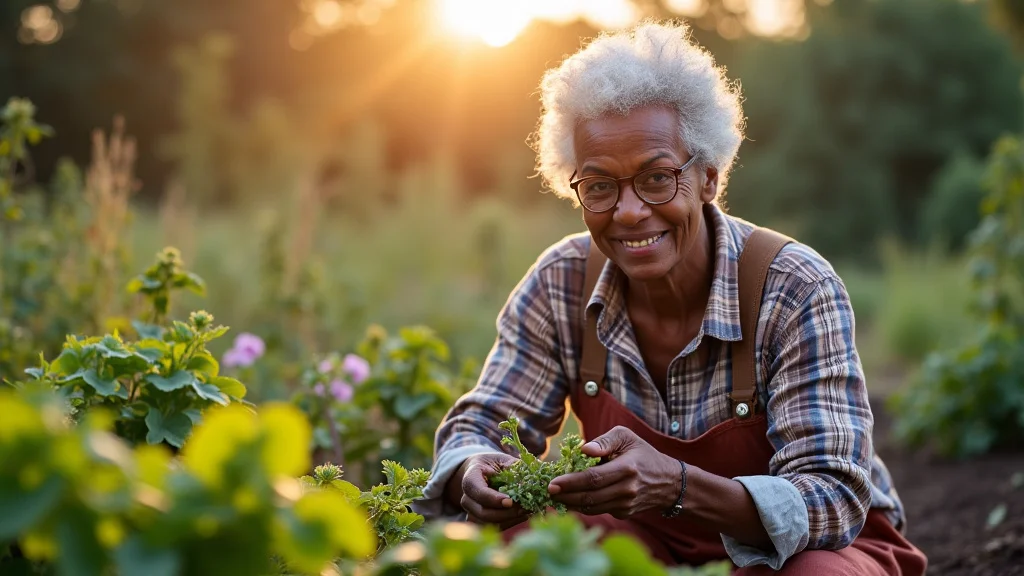
Remember visiting Grandma’s house, and the scent of fresh soil mixed with blooming flowers always greeted you? She’d often be outside, tending to her garden, a vibrant tapestry of life. You’d see her carefully nurturing plants, whispering secrets to the earth, her weathered hands working magic. This isn’t just a nostalgic memory; it’s a testament to the valuable knowledge held by black grannies, particularly regarding their gardening tips. Their wisdom, passed down through generations, offers practical advice and a deep connection to nature. This post will explore some of their secrets and share the valuable techniques for a thriving garden.
Key Takeaways
- Discover the generational knowledge of black grannies and their gardening secrets.
- Learn about specific gardening tips passed down through families.
- Explore the importance of soil health and natural methods for plant care.
- Understand the use of companion planting and other natural gardening techniques.
- Find out how to propagate plants easily for sharing and future growth.
- Uncover the cultural significance of gardening in the African diaspora.
The Root of Wisdom: Generations of Gardeners
Gardening, for many black grannies, isn’t just a hobby; it’s a legacy. It’s a practice woven into the fabric of their lives, a connection to their ancestors, and a source of sustenance and beauty. This deep-rooted understanding of plants and the earth is a powerful testament to their resilience and resourcefulness. This knowledge base has been passed down through generations, making it a living history book of gardening wisdom. These grannies have cultivated gardens for centuries, evolving their techniques and adapting to local conditions, passing valuable lessons from mothers to daughters and granddaughters, with a unique approach to their craft. They have honed their craft over years, experimenting, failing, and succeeding, ultimately developing a profound appreciation for nature.
The Significance of Family Gardens
Family gardens, tended by black grannies, represent a vital part of their community. These gardens are more than just spaces for growing food; they are places where families gather, bond, and share stories. They are outdoor classrooms where children learn about nature, responsibility, and the value of hard work. For example, a grandma’s garden can be a refuge, a place where elders impart vital life lessons and share historical memories of a family’s legacy. This generational connection ensures that knowledge is sustained and grows, contributing to a strong familial bond. The garden also teaches practical skills and instills a sense of pride in creating something beautiful and fruitful.
- Intergenerational learning: Children learn gardening techniques directly from their grandmothers, creating a continuous flow of knowledge.
- Community building: Family gardens often involve extended family members, providing a strong sense of community.
- Cultural preservation: Certain plants and practices within the gardens connect families with their heritage.
- Food security: Growing your food provides healthy meals and a safety net for any family’s circumstances.
- Health and wellness: Gardens offer a space for physical activity and mental well-being, connecting families to nature.
Preserving Heritage Through Seeds
Many black grannies and their families have cultivated unique varieties of plants, often heirloom seeds passed down within their families. These seeds hold a piece of history, representing a link to the past. These plants showcase the rich diversity of the African diaspora. Preserving these seeds is a critical component of conserving cultural heritage. The seeds tell stories of migration, adaptation, and resilience. Sharing these seeds with future generations is a way of ensuring that these traditions continue to flourish. This includes preserving not only the seeds themselves but also the skills and stories linked to their use. It’s a very meaningful way of keeping traditions alive.
- Seed Saving Techniques: Learn how to properly harvest and store seeds for future use. This involves techniques like selecting the healthiest plants, collecting seeds at the correct time, and drying and storing them correctly to ensure viability.
- Heirloom Varieties: Explore the rich heritage of heirloom varieties, each with its unique flavor, characteristics, and historical significance. Examples include specific varieties of collard greens, sweet potatoes, and okra.
- Seed Libraries: Participate in or establish seed libraries, which help circulate heirloom seeds within a community. Seed libraries help keep seed varieties alive, promoting biodiversity and community sharing.
Soil Secrets: The Foundation of a Thriving Garden
The health of the soil is the single most essential element for a prosperous garden. Black grannies have developed a profound respect for the soil. They understand that healthy soil provides the nutrients plants need to thrive. They use sustainable practices, utilizing natural fertilizers, and keeping the soil balanced. This knowledge is usually gained through trial and error over many years, as well as the teachings handed down by their ancestors. From simple composting to precise soil testing, the goal is always the same: to create a nourishing foundation for plant life. Soil’s composition, texture, and nutrient content directly affect plant growth, making it a critical consideration for any successful gardener.
Composting: Nature’s Fertilizer
Composting is a core element of the gardening practices of black grannies. It’s the process of recycling kitchen scraps, yard waste, and other organic materials into nutrient-rich compost. This compost then serves as a natural fertilizer. This natural fertilizer enriches the soil, improves its structure, and boosts its ability to retain water. Effective composting requires a balance of “greens” (nitrogen-rich materials like grass clippings) and “browns” (carbon-rich materials like dried leaves) to ensure the decomposition process happens efficiently. Compost can be made in various ways, from simple piles to more elaborate systems, always striving to return organic material to the soil, creating a closed-loop system.
- Gathering Materials: Collect kitchen scraps (fruit and vegetable peels, coffee grounds), yard waste (leaves, grass clippings), and other organic materials (shredded paper, cardboard).
- Layering: Layer the materials in a compost bin or pile. Alternate between “greens” and “browns” to achieve the proper carbon-to-nitrogen ratio.
- Turning: Turn the compost regularly (every few weeks) to aerate the pile and speed up decomposition.
- Monitoring: Watch for signs that the compost is breaking down properly, such as heat and the smell of earth.
Understanding Soil Types
Knowing your soil type is critical to making your garden thrive. Black grannies have a clear understanding of the nuances of different soil types, from sandy to clayey and loamy. Each type has distinct characteristics that impact water retention, drainage, and nutrient availability. Sandy soil drains quickly but lacks nutrients. Clay soil retains water but can become compacted. Loam, a mix of sand, silt, and clay, is ideal for most plants. The ability to identify your soil type and make adjustments to amend it is a vital skill. Improving the soil, regardless of its type, will help ensure plant vitality. Simple soil tests can also provide a starting point for determining the pH level and nutrient content of the soil.
- Sandy Soil: Characterized by large particles and quick drainage. It often requires the addition of organic matter to improve water retention and nutrient levels.
- Clay Soil: Made up of tiny particles that hold water well but can become compacted. Adding compost and other organic material helps improve drainage and aeration.
- Loamy Soil: A balanced mix of sand, silt, and clay, making it ideal for plant growth. It drains well while retaining water and nutrients.
The Power of Companion Planting
Companion planting is an age-old method of gardening that black grannies and generations before them have used. It’s the practice of planting different plants together for mutual benefit. This technique helps to improve plant health, deter pests, and even enhance the flavor of crops. For example, certain plants release chemicals that help repel harmful insects or attract beneficial ones, reducing the need for pesticides. Other plants can provide shade or support for climbing vines. The wisdom of companion planting is in the careful selection of complementary plants, creating a balanced and healthy ecosystem within the garden. This type of ecological thinking fosters a synergistic environment.
Beneficial Plant Combinations
The success of companion planting lies in identifying which plants work well together. Some pairings are particularly effective, such as planting basil near tomatoes. Basil repels pests while enhancing the tomato’s flavor. Another helpful combination includes carrots and onions, where onions repel carrot root flies. Marigolds are very popular companions due to their ability to repel nematodes and other harmful insects. In addition to pest control, companion planting can also improve nutrient availability. For example, planting legumes (beans, peas) alongside other crops helps to fix nitrogen in the soil. These techniques can boost plant growth and overall garden health.
- Tomatoes and Basil: Basil repels pests and enhances the flavor of tomatoes.
- Carrots and Onions: Onions deter carrot root flies, while carrots repel onion flies.
- Marigolds and Various Vegetables: Marigolds repel nematodes and other harmful insects.
- Beans and Corn: Beans provide nitrogen for the corn, while corn provides support for the beans to climb.
Avoiding Problematic Pairings
Just as some plants work well together, others can hinder each other’s growth. It’s just as important to understand what not to plant together. For example, planting fennel near many other plants is often discouraged because fennel can inhibit their growth. Similarly, planting onions near beans and peas can also have negative impacts. Knowing the negative relationships is just as crucial to a productive and healthy garden as knowing the beneficial ones. By avoiding these problematic pairings, gardeners can ensure that their plants are thriving. Careful observation and understanding of plant needs help create a thriving ecosystem.
Natural Pest Control and Remedies
Black grannies understand that synthetic pesticides are not the only solution for protecting gardens from pests. They’ve long employed natural methods, creating homemade remedies from ingredients readily available in their gardens and kitchens. These techniques include using companion planting, introducing beneficial insects, and creating organic sprays. These practices minimize harm to the environment and the gardeners themselves. These approaches are effective and keep the garden ecosystem in balance. They embrace holistic methods that support the health of the plants, the soil, and the beneficial insects within the garden, promoting sustainability.
Homemade Sprays and Solutions
Black grannies have developed many home remedies that are effective for treating garden pests. One popular option is a soap spray, using mild dish soap diluted with water. This can be effective against aphids, spider mites, and other soft-bodied insects. Another effective spray is a garlic spray. Garlic’s strong scent deters many pests. Other solutions include neem oil, which is a natural insecticide derived from the neem tree. The preparation and application of these sprays require care, but they provide effective control and minimize the risk of harmful chemicals. Many of these recipes are passed down through families, offering a deep connection to tradition.
- Soap Spray: Mix a few teaspoons of mild dish soap with a gallon of water and spray directly on affected plants to eliminate aphids and spider mites.
- Garlic Spray: Blend garlic cloves with water and let them steep for a day. Strain and spray the solution on plants to deter various pests.
- Neem Oil: Mix neem oil with water and a bit of soap. This solution will repel pests and is a natural insecticide that’s safe for use on many plants.
Beneficial Insects
Attracting beneficial insects is an important component of natural pest control. These insects, such as ladybugs, lacewings, and parasitic wasps, prey on harmful pests. Black grannies create habitats for these helpful insects by planting specific flowers, such as sunflowers and dill, that offer food and shelter. They also avoid using broad-spectrum pesticides that kill both helpful and harmful insects. By supporting a healthy population of beneficial insects, gardeners can naturally control pests and foster a balanced ecosystem. This approach encourages a diverse environment, which helps support the overall health of the garden. A garden thriving with beneficial insects is a healthy garden.
Watering Wisely
Conserving water is a critical practice, especially in challenging environments. Black grannies understand the importance of efficient watering techniques. They know the significance of watering deeply but infrequently. They avoid watering the foliage of plants, which can promote disease, and focus on watering the soil directly. They’re also aware of the best times of day to water, which reduces water loss through evaporation. They are committed to water conservation, and they often use rainwater harvesting to make the most of what nature provides. These water-saving methods are essential, especially during dry spells, and they help reduce environmental impact.
Methods for Efficient Irrigation
Several methods help ensure efficient irrigation. Drip irrigation is a popular choice. It delivers water directly to the soil at the plant’s roots. Mulching around plants also helps retain moisture, reducing evaporation. Using soaker hoses can achieve similar results, delivering water directly to the soil. These techniques help reduce water waste, promote healthy root growth, and prevent water-borne diseases. Black grannies often customize their irrigation systems based on their specific garden needs and the local climate. These practical and time-tested methods enable them to get the most out of every drop of water.
- Drip Irrigation: Install drip lines that deliver water directly to the soil at the base of plants, minimizing water waste.
- Mulching: Apply organic mulch (like straw or wood chips) around plants to retain moisture, suppress weeds, and regulate soil temperature.
- Soaker Hoses: Use soaker hoses that release water slowly into the soil, avoiding runoff and promoting deep watering.
- Watering Frequency: Water deeply but less frequently, encouraging deep root growth.
- Best Time to Water: Water early in the morning to allow plants to absorb water before the heat of the day.
Rainwater Harvesting and Conservation
Collecting rainwater is another smart method for conserving water. Black grannies often employ rainwater harvesting methods, such as using rain barrels to collect water from rooftops. This harvested water is then used to water gardens. Rainwater is free from the chemicals and minerals found in tap water, making it ideal for plants. These practices reduce reliance on public water sources. They help promote a sustainable and eco-friendly approach to gardening. Rainwater harvesting provides the means for efficient irrigation and helps ensure the health of their plants. It is a powerful example of resourcefulness and respect for nature.
Propagation Secrets
Black grannies often propagate plants for personal use, sharing with friends and family, and sometimes for community gardens. Propagation involves creating new plants from existing ones. This practice includes various techniques, such as taking cuttings, dividing plants, and growing from seeds. Propagation allows them to expand their gardens, share their favorite varieties, and keep plants alive for years. These techniques make it easier for others to get started. Propagation ensures the growth of a diverse garden. These propagation skills represent a valuable legacy of skills that keep a family’s legacy growing.
Taking Cuttings for New Growth
One of the easiest ways to propagate plants is by taking cuttings. This is the process of removing a portion of a plant and encouraging it to grow roots. Black grannies and others know how to take cuttings from a wide variety of plants, including herbs, flowers, and vegetables. Cuttings can be placed in water or directly in soil. Success depends on selecting healthy stems, providing the right growing conditions, and being patient. Once the cuttings develop roots, they can be transplanted into the garden or pots. It’s a cost-effective way to get more plants. Taking cuttings is an empowering way to expand a garden with familiar plants.
- Stem Cuttings: Cut a stem from a healthy plant, remove the lower leaves, and place the cutting in water or soil to develop roots.
- Leaf Cuttings: Some plants, like succulents, can be propagated from leaf cuttings.
- Rooting Hormone: Apply rooting hormone to the cuttings to stimulate root growth.
- Propagation Conditions: Keep cuttings in a warm, humid environment with indirect light.
Dividing and Sharing Plants
Dividing plants is another common method of propagation. This involves separating a clump of an established plant into several smaller plants. Black grannies use this method for perennials, which are plants that live for multiple years. The best time to divide plants is often in the early spring or fall. Careful division can rejuvenate the original plant and create new plants. The new plants can be shared with friends, planted in other areas of the garden, or used to expand existing beds. It’s a way of sharing the abundance of the garden and ensuring that beloved plants continue to thrive. Dividing plants is a simple yet effective technique.
Common Myths Debunked
Myth 1: Gardening is Only for Those with Extensive Land.
Reality: Gardening can be successful in any space, regardless of its size. Black grannies have demonstrated that successful gardening is possible in small spaces, such as containers on patios and balconies, or even in raised beds. The key is to select plants that are suitable for the available space. Careful planning and creativity can produce abundant results. It’s about adapting the techniques to your resources.
Myth 2: You Need Expensive Equipment for a Good Garden.
Reality: While some tools can be helpful, expensive equipment isn’t necessary for gardening. Many effective gardening practices, such as composting, companion planting, and using natural pest control methods, require minimal resources. The wisdom of black grannies is in knowing how to use simple tools and techniques. The emphasis is on building a healthy ecosystem and leveraging the plants themselves.
Myth 3: You Have to Be Born With a Green Thumb.
Reality: Gardening is a skill that can be learned and improved over time. The “green thumb” is often the result of experience and knowledge, gained through trial, error, and observation. Black grannies teach that gardening is a learning experience. You become better by studying, experimenting, and adapting your methods. It is a process that rewards dedication and care.
Myth 4: Organic Gardening is Too Difficult.
Reality: Organic gardening is often simpler and more rewarding than relying on synthetic chemicals. Many of the practices used by black grannies, such as composting, companion planting, and using homemade pest control sprays, are organic. Organic methods work with nature. Over time, organic gardening enriches the soil, improves plant health, and creates a more balanced ecosystem.
Myth 5: Gardening Requires Too Much Time and Effort.
Reality: While gardening does require effort, it doesn’t have to be a full-time job. Careful planning, selecting plants that are well-suited to the environment, and employing efficient techniques can help minimize the required time and effort. Black grannies often incorporate gardening into their daily lives, finding joy and satisfaction in tending their gardens. The rewards in fresh produce, beautiful flowers, and a connection to nature are worth the investment.
Frequently Asked Questions
Question: What’s the best way to get started gardening?
Answer: Start small! Choose a few easy-to-grow plants, such as herbs or vegetables, and begin with a small garden bed or a few containers. Learn about your local climate and soil conditions.
Question: How can I improve my soil?
Answer: Adding compost and other organic matter is one of the best ways to improve soil quality. Compost improves drainage, water retention, and nutrient content. Test your soil and amend it as needed.
Question: What are the benefits of companion planting?
Answer: Companion planting can help deter pests, attract beneficial insects, improve soil health, and even enhance the flavor of crops. Experimenting is key.
Question: How often should I water my garden?
Answer: Water deeply but less frequently, allowing the soil to dry out slightly between waterings. The frequency depends on your local climate, soil type, and plant needs.
Question: Can I grow my food organically?
Answer: Absolutely! Organic gardening involves using natural methods, such as composting and companion planting, to promote healthy soil and plant growth, without synthetic chemicals.
Final Thoughts
The timeless gardening techniques of black grannies are much more than just a set of practices. They’re a testament to resilience, resourcefulness, and a profound understanding of nature. These methods, refined through generations, provide a sustainable approach to growing food and creating beautiful spaces. They emphasize the importance of soil health, natural pest control, and efficient water use, all rooted in a deep respect for the earth. By embracing these time-tested methods, we can cultivate thriving gardens, connect with our heritage, and foster a deeper appreciation for the natural world. If you’re inspired by the wisdom shared here, embrace your own green thumb by applying these insights to your garden, and you, too, can find joy and nourishment in the simple act of gardening.