Growing Big Melons Gardening Tips for Bountiful Harvests
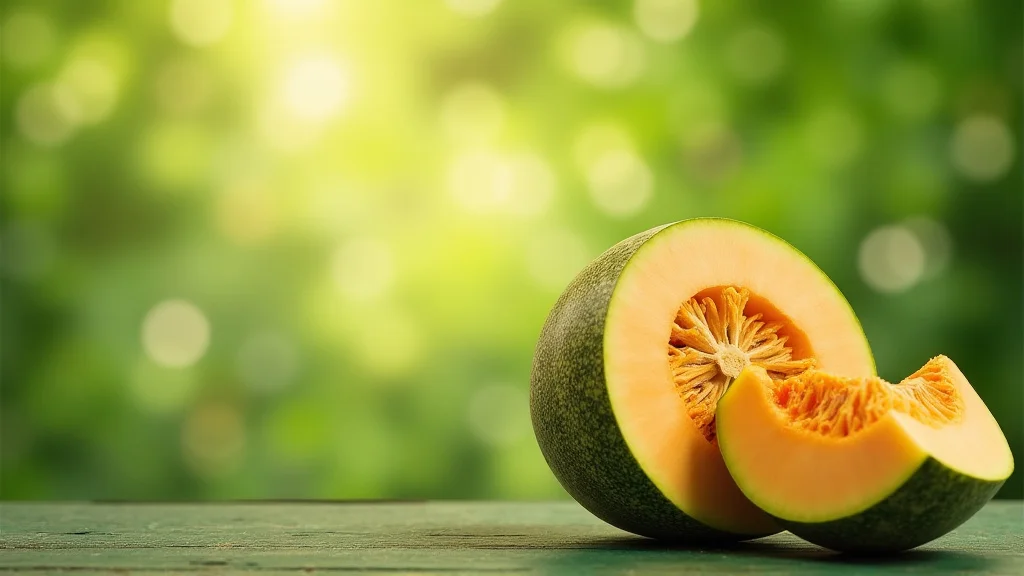
Picture this: It’s a sweltering summer day, and you’re strolling through your garden, anticipating the sweet reward of homegrown fruit. The sight of massive, juicy big melons practically bursting with flavor is an amazing experience. But getting there takes more than just planting a seed. This guide is your roadmap to cultivating impressive big melons gardening tips, ensuring a plentiful harvest that will impress your neighbors and delight your taste buds. We’ll explore the secrets to success, helping you transform your garden into a melon paradise. You’ll gain practical knowledge, avoid common pitfalls, and learn how to coax those giant fruits to maturity. Prepare for a satisfying and fruitful experience!
Key Takeaways
- Learn about the best varieties of melons for achieving impressive sizes.
- Discover the secrets of preparing your soil for optimal melon growth.
- Understand the importance of proper watering and fertilization techniques.
- Find out how to support your growing melons and protect them from pests.
- Explore the art of pollination and its impact on your melon harvest.
- Master the timing and techniques for harvesting your melons at their peak.
Choosing the Right Big Melon Varieties
The journey to growing colossal melons begins with selecting the right seeds. Not all melon varieties are created equal when it comes to size. Some types are genetically predisposed to become giants, while others are more suited for smaller spaces or specific climates. This selection is crucial, as the wrong choice can lead to disappointment. Researching and selecting the appropriate variety sets the foundation for a successful harvest. Pay close attention to the specific needs of each variety to guarantee success.
Recommended Big Melon Varieties
Several melon varieties are renowned for their potential to produce impressive sizes. These melons can weigh from 20 pounds to well over 100 pounds. Some of the most popular include:
- Watermelons: The ‘Carolina Cross’ is legendary, often exceeding 100 pounds, requiring long, warm growing seasons. The ‘Black Diamond’ is a reliable, high-yielding variety.
- Cantaloupe: While cantaloupes generally aren’t as massive as watermelons, specific varieties can still produce large fruits. Consider the ‘Crane’ variety for decent yields.
- Other Melons: Check out the ‘Giant Canary’ or other varieties of muskmelon.
- Hybrid Varieties: Many hybrid types are developed to combine size with other desirable traits like disease resistance. Research local hybrid options.
Remember that local climate and growing conditions influence the success of a specific variety. Some types thrive in warm, sunny locations, while others might tolerate cooler climates. Checking with local gardening experts or agricultural extension offices can provide invaluable insights for your area. Always check the seed packet or plant information for details like days to maturity, which allows planning your planting schedule.
Factors to Consider When Choosing Varieties
Aside from size potential, other factors influence your selection. Considering these will help you pick what is best for you. Some of these are:
- Climate Suitability: Match the variety’s growing season to your local climate. Long-season melons need plenty of heat.
- Disease Resistance: Choose varieties that resist common diseases in your area to reduce the need for treatments.
- Flavor and Texture: Prioritize taste and texture. Consider whether you prefer a sweet, juicy watermelon or a more complex cantaloupe flavor.
- Space Availability: Consider how much space you can allocate to your melon patch. Some varieties need more space for vines to spread.
- Personal Preference: Select a variety that appeals to your individual taste. This will help with the enjoyment of the process.
Careful planning at the start will make your gardening journey fulfilling and rewarding. Matching your chosen variety to your conditions is the initial step to an amazing harvest.
Preparing Your Soil for Maximum Melon Growth
The quality of your soil significantly affects the size and flavor of your melons. These plants are heavy feeders, requiring nutrient-rich, well-draining soil to flourish. Before you even think about planting, focus on soil preparation. Doing it right will provide the best environment for root development, nutrient absorption, and overall plant health. Neglecting this crucial step often results in stunted growth and a less-than-stellar harvest. Taking the necessary steps now will guarantee delicious results later.
Soil Testing and Amendment
The first step is a soil test, which reveals its current composition. These tests measure pH levels, nutrient content (nitrogen, phosphorus, and potassium), and organic matter levels. Understanding the soil’s existing condition allows you to make informed decisions about amendments. Soil tests can be conducted through your local agricultural extension office or a commercial laboratory. They often provide detailed recommendations for improving the soil.
- pH Levels: Melons thrive in slightly acidic soil, generally between 6.0 and 6.8. If your soil is too acidic, add lime to increase the pH. If it’s too alkaline, add sulfur.
- Nutrient Imbalances: A soil test identifies nutrient deficiencies. Amend the soil with compost, manure, or fertilizers to address any shortages.
- Organic Matter: The addition of organic matter is beneficial. It improves water retention, drainage, and nutrient availability.
The frequency with which you test depends on several factors, including the type of crop you’re growing, the soil type, and the use of fertilizers and amendments. Generally, testing your soil every few years is sufficient. However, if you notice issues with plant growth or believe there are nutrient imbalances, then it would be better to test it sooner. Soil testing helps with growing bigger and better melons.
Essential Soil Amendments
After a soil test, the next step involves adding amendments to improve the soil. These will help promote healthy plants and the ultimate goal of producing massive melons.
- Compost: Adds organic matter, improves drainage, and provides nutrients.
- Manure: Well-rotted manure (cow, horse, or chicken) enriches the soil with nutrients. Be careful not to use fresh manure, which can burn plants.
- Fertilizers: Use fertilizers, based on the soil test results, to address any specific nutrient deficiencies. Balanced fertilizers (10-10-10) are an option, especially if you have an imbalanced soil.
- Other Amendments: Consider using perlite or vermiculite to improve drainage in heavy clay soils.
The process of amending the soil creates an ideal environment for melon roots to grow. It also encourages the availability of nutrients. This careful preparation is the bedrock of a productive melon patch.
Watering and Fertilizing Techniques for Big Melons
Watering and fertilization are two of the most important aspects of growing large melons. Water is essential for plant processes, while fertilizer provides the nutrients needed for vigorous growth and fruit development. Proper techniques will increase yields and produce tasty melons. Imbalances in either can have a negative impact on plant health and fruit production. Mastering these techniques is important to grow big melons.
Watering Strategies
Melons require consistent moisture, particularly during fruit development. While too much water can lead to root rot and poor fruit quality, inadequate watering can cause stunted growth and reduce fruit size. Understanding these considerations helps create a good watering plan.
- Watering Frequency: Water deeply and regularly. The frequency depends on your climate, soil type, and the stage of plant growth. In general, water at least once a week, but more often in hot, dry weather.
- Watering Methods: Drip irrigation is ideal, delivering water directly to the roots. Avoid overhead watering, which can promote diseases. Soaker hoses also are a good choice.
- Monitoring Moisture: Use your finger to check the soil moisture. Stick your finger an inch or two into the soil. If it feels dry, water.
Understanding the water needs of your plants and adjusting your watering schedule helps to avoid issues. When fruit starts to develop, reduce watering to enhance the sweetness and prevent cracking. Consistent watering, combined with good drainage, forms the base for healthy melon growth.
Fertilizing for Big Yields
Melons are heavy feeders, requiring consistent nutrient supply throughout the growing season. Soil tests will help determine what is needed. Fertilizing properly is very important. This involves the choice of the appropriate fertilizers, as well as the timing of when to apply them. Following a schedule ensures that your plants get the nutrients they need at the right time. A well-nourished plant is more likely to develop into a big melon.
- Fertilizer Types: Use a balanced fertilizer during the early stages, like a 10-10-10. During fruiting, switch to a fertilizer higher in phosphorus and potassium.
- Fertilizer Application: Follow the instructions on your fertilizer package. Side-dress the plants with fertilizer every few weeks. Foliar feeding can also provide extra nutrients.
- Timing is Crucial: Fertilize during planting. Then, continue every three to four weeks. Stop fertilizing when fruits begin to mature.
Fertilizing at the appropriate times supports plant growth and fruit development. Pay attention to the specific needs of your chosen melon variety. Combining the right fertilizer with proper watering practices leads to the best outcomes.
Supporting and Protecting Your Growing Melons
As melons grow, they require support and protection. The weight of the fruit can damage the vines, and pests and diseases can ruin your harvest. Proper support and pest control practices are essential for producing large, healthy melons. A supportive environment allows the plants to thrive, helping them produce their best.
Providing Support for Melon Vines
The sprawling vines of melon plants can easily overwhelm a garden bed. Providing support not only keeps the fruit off the ground but also improves air circulation and reduces the risk of pests and diseases. There are multiple ways to support your melons. They include:
- Trellising: Use trellises, fences, or other structures to train the vines to grow vertically. This maximizes space and provides good air circulation.
- Caging: Cages can support the vines. They are perfect for vining plants.
- Slinging: For large melons, create slings using old t-shirts, sheets, or commercial melon slings to cradle the fruit. This prevents the melons from touching the ground.
Supporting your melons not only keeps the fruit from rotting on the ground but also makes harvesting easier. Properly supported plants generally produce larger, higher-quality melons. As the fruit develops, monitor the support system. Make adjustments as needed to handle the increasing weight.
Protecting Your Melons from Pests and Diseases
Pests and diseases can significantly affect your melon harvest, damaging the vines and the fruit. Proactive measures are the best approach. Knowing the common threats, recognizing their signs, and acting promptly will help keep your plants healthy. Integrated pest management, which combines various control methods, is a suitable approach.
- Common Pests: Common pests include aphids, squash bugs, cucumber beetles, and spider mites. Regular inspections and the use of insecticidal soap or neem oil can help control them.
- Common Diseases: Powdery mildew, downy mildew, and Fusarium wilt are common diseases that affect melons. Ensure proper air circulation, avoid overhead watering, and consider using disease-resistant varieties.
- Preventive Measures: Crop rotation, companion planting, and the removal of infected plant parts help prevent diseases.
Regular inspections will help you identify any issues before they become severe. Prompt action is very important. Utilizing these protection methods is important. This ensures your melons have a fighting chance to thrive. The outcome will be delicious and satisfying melons.
Pollination and Fruit Set for Successful Melons
Pollination is a crucial process. It’s how melons form. Melons rely on pollinators, especially bees, to transfer pollen from the male flowers to the female flowers. A great pollination strategy is critical for a good harvest. The methods will improve fruit set. You can improve your yields and ensure a plentiful harvest. This step plays a key role in the success of your melon patch.
Understanding Pollination in Melons
Melon plants produce separate male and female flowers. Pollen must transfer from the male flower to the female flower for fruit to set. This process requires pollination. Various aspects of this process impact the yield.
- Male vs. Female Flowers: Male flowers appear first. They grow on the vine. Female flowers have a small swelling at the base, which is the developing fruit.
- The Role of Pollinators: Bees and other pollinators play a vital role in transferring pollen. They visit the flowers.
- Hand Pollination: In areas with fewer pollinators, you can hand-pollinate the flowers using a small brush. Collect pollen from a male flower and gently transfer it to the stigma of a female flower.
Understanding these elements of the process can affect yields. When planting, be sure to provide a welcoming environment for pollinators. This helps to create a thriving melon patch. Proper pollination is the foundation of a good harvest.
Encouraging Pollination
Encouraging pollination maximizes the chances of a successful fruit set. There are several ways to boost pollination in your garden.
- Planting Pollinator-Friendly Flowers: Planting flowers that attract bees and other pollinators near your melon patch helps increase pollination. Some attractive flowers include sunflowers, zinnias, and borage.
- Avoiding Pesticides: Avoid using pesticides that harm pollinators. If you must use them, apply them in the evening.
- Hand Pollination (as needed): Hand pollination can improve fruit set if pollinator populations are low.
Providing a welcoming environment and hand-pollinating will optimize your fruit set. This leads to a bountiful harvest. These steps will make sure you have melons to enjoy.
Harvesting Your Big Melons at the Perfect Time
Knowing when and how to harvest your melons is important. It ensures the best flavor and texture. Harvesting at the right time can be the difference between a delicious treat and a disappointing experience. The methods will improve the taste and overall satisfaction of your work. The information below will assist you in knowing the right time to pick your melons.
Signs of Melon Ripeness
Identifying the ideal time to harvest your melons requires keen observation. Melons don’t ripen after being picked. So harvesting at the right time is important. Several signs indicate when a melon is ready for harvest.
- Change in Color: The rind color changes as the melon ripens. The appearance becomes more vibrant or changes slightly.
- Aroma: Ripe melons emit a distinctive, sweet fragrance. Sniff near the stem end to assess the aroma.
- Ground Spot: The spot on the melon that touches the ground changes color. The ground spot on a ripe melon will typically turn creamy yellow or white.
- Stem Slip: Most ripe melons will easily detach from the vine.
The time to maturity can vary based on the variety and local conditions. Be patient and monitor your melons daily. Be sure to use your senses to make sure you harvest at the right time.
Harvesting Techniques
Harvesting melons carefully prevents damage. It also ensures the best possible flavor. The techniques below will improve your success. This will also guarantee that you have amazing-tasting melons.
- Stem Cutting: Use a sharp knife or clippers to cut the stem of the melon, leaving a few inches of stem attached.
- Gentle Handling: Handle the melons with care. This will help you avoid bruising.
- Storage: Store uncut melons at room temperature until ripe. Then, refrigerate them to extend their shelf life.
Proper harvesting is the last step in your journey. Handling the fruit with care will make sure you have delicious melons.
Common Myths Debunked
Myth 1: You need to water melons every day for them to grow.
Reality: While melons need consistent moisture, overwatering can lead to root rot and poor fruit quality. The best approach is to water deeply and less frequently, allowing the soil to dry slightly between waterings.
Myth 2: All melons grow to a gigantic size.
Reality: The size of a melon depends on the variety and growing conditions. Some melon types are bred to produce small fruits, while others can be quite large. Variety selection is the key to maximizing size.
Myth 3: Fertilizing frequently will always lead to larger melons.
Reality: Over-fertilizing, especially with nitrogen, can result in excessive vine growth at the expense of fruit production and flavor. Proper fertilization involves using a balanced fertilizer during early growth and switching to a fertilizer higher in phosphorus and potassium during fruiting.
Myth 4: You can tell if a melon is ripe by tapping on it.
Reality: While tapping can help, it is not the most reliable way to tell if a melon is ripe. A ripe melon often has a dull, hollow sound. A better indicator is the aroma, stem slip, and color changes.
Myth 5: All melons need full sun.
Reality: While melons thrive in full sun, they can tolerate some shade, particularly during the hottest part of the day. The amount of sun required depends on the variety and the local climate.
Frequently Asked Questions
Question: How often should I water my melons?
Answer: Water deeply at least once or twice per week, depending on your climate and soil type. Check the soil moisture and adjust your schedule accordingly.
Question: What’s the best type of fertilizer for melons?
Answer: Use a balanced fertilizer during the early stages of growth, and then switch to a fertilizer that’s higher in phosphorus and potassium when the fruit starts to develop.
Question: How can I prevent pests and diseases?
Answer: Practice crop rotation, provide good air circulation, and use companion planting. Inspect plants regularly. Use insecticidal soap or neem oil for pest control.
Question: When should I harvest my melons?
Answer: Harvest when the color changes, the aroma is strong, the stem slips easily, and the ground spot changes color.
Question: How do I support the weight of a large melon?
Answer: Use trellises, slings made from fabric or old t-shirts, or sturdy cages to support the fruit’s weight.
Final Thoughts
Growing big melons gardening tips is a rewarding experience. It combines patience, knowledge, and dedication. Remember that choosing the right variety is the initial step. Proper soil preparation, watering, and fertilization will set your plants up for success. Support the vines and protect the fruit. Make sure you encourage pollination. Watch for those ripening signs, and learn when to harvest. By applying these big melons gardening tips, you will get the opportunity to experience the ultimate summer joy: savoring the taste of your own, perfectly grown, giant melons. So, start planning, preparing, and planting. Get ready to harvest the sweetness of success. Happy gardening!