Bethany Pugh Receives Gardening Guidance for Thriving Blooms
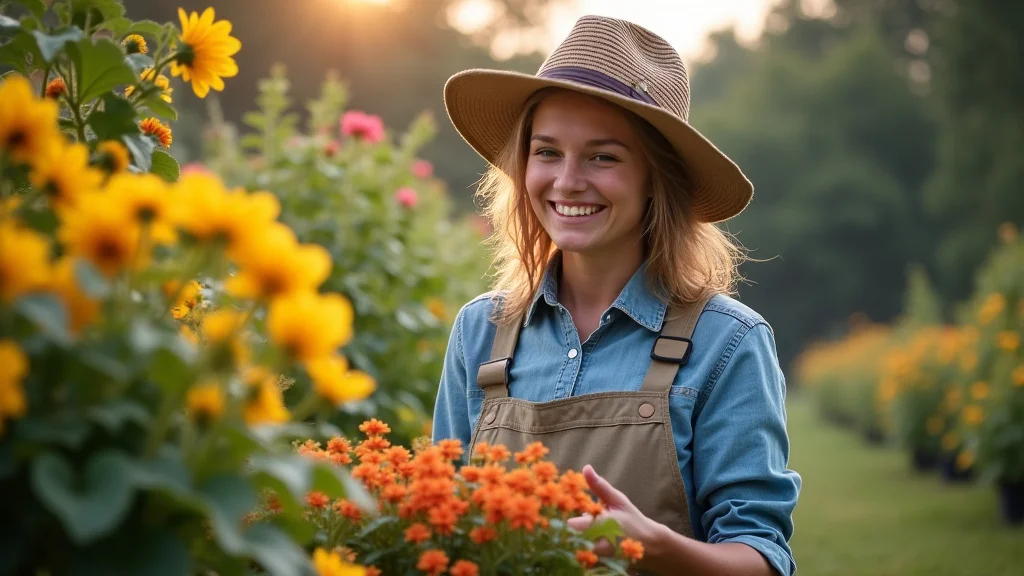
Picture this: a sunny Saturday morning, your hands in the soil, dreaming of a vibrant garden bursting with color. But, wait, your tomato plants are drooping, and those prize-winning roses aren’t cooperating. Sound familiar? Many gardeners, even those with experience, face challenges. This post is for you! It follows Bethany Pugh as she gains tips for her gardening, and we’ll explore those insights. You’ll gain practical advice to cultivate a flourishing outdoor space, learning from common gardening mistakes and achieving a greener thumb. Prepare to transform your garden into an oasis, improving your gardening skills. Let’s cultivate success together!
Key Takeaways
- Learn essential gardening tips and techniques.
- Discover strategies for planning and preparing your garden.
- Understand how to care for your plants throughout the seasons.
- Explore solutions for common gardening challenges.
- Gain insights on choosing the right plants.
Getting Started with Bethany Pugh and Her Gardening
Embarking on a gardening project can feel exciting. But, where does Bethany begin? The first step involves careful planning and preparing the soil. Choosing the right location, considering sunlight exposure, and understanding your local climate are key. Planting the right plants for your area is an important factor. Bethany Pugh, like many gardeners, finds that research pays off. This section will guide you through the initial phases of garden creation, setting the stage for a productive and rewarding experience. We will explore initial steps for garden success.
Selecting the Right Location for Success
Choosing the right spot is crucial for healthy plant growth. Sunlight is the fuel that powers photosynthesis, so understanding how much your chosen plants need is essential. Most vegetables require at least six hours of direct sunlight daily, while some shade-loving plants, like hostas, thrive in less. Consider the soil type, drainage, and wind exposure when deciding where to plant. A location with good air circulation reduces the risk of fungal diseases. Observing your yard throughout the day will help you identify the areas that receive the most sun and where water tends to pool after rain. The location also needs to allow for access to water sources.
- Sunlight Requirements: Different plants need varying amounts of sunlight; observe your garden throughout the day.
- Soil Drainage: Poor drainage can lead to root rot; amend the soil to improve drainage.
- Wind Protection: Strong winds can damage plants; consider windbreaks or sheltered locations.
Here’s a real-life example: Bethany initially chose a spot that seemed perfect, but it received less than six hours of sunlight. The tomatoes struggled, and the peppers didn’t produce. By moving the plants to a sunnier location, she saw a dramatic improvement in their growth and yield. This underscores the importance of selecting the right spot.
Preparing the Soil: The Foundation of a Thriving Garden
Healthy soil is the backbone of a successful garden. Before planting, the soil should be amended and tested. You should test the soil to determine its pH level and nutrient content. Adjusting the pH to the correct level for your plants and adding organic matter, such as compost or well-rotted manure, improves soil structure, drainage, and fertility. Removing weeds, rocks, and debris is a must. Proper soil preparation creates a welcoming environment for plant roots, encouraging strong growth and increased yields. The preparation of the soil is key to Bethany’s gardening success.
- Soil Testing: Determine the pH and nutrient levels to guide amendments.
- Adding Organic Matter: Incorporate compost or manure to improve soil structure and fertility.
- Weed Removal: Remove weeds and debris to prevent competition for resources.
Consider this scenario: Bethany’s initial attempts at gardening failed because the soil was compacted and lacked nutrients. By adding compost and turning the soil, she transformed the area. Her subsequent crops thrived, demonstrating the power of proper soil preparation. Preparing the soil is crucial for Bethany to achieve her gardening goals.
Essential Gardening Techniques to Learn
Once the initial preparation is done, the cultivation phase begins. Many techniques can help nurture a thriving garden. Watering techniques, how to get rid of pests, and pruning practices are necessary. We’ll look at the practices for successful gardening. Bethany Pugh, like other new gardeners, benefits from learning these skills. Implementing these techniques boosts plant health and increases the chances of bountiful harvests and beautiful blooms. It offers the information needed to improve your gardening experience.
Watering Wisely: Techniques for Hydration
Providing the right amount of water is key to plant health. Overwatering can lead to root rot, while underwatering causes stress and wilting. Water deeply and infrequently, allowing the soil to dry slightly between waterings to encourage deep root growth. Watering early in the morning reduces water loss through evaporation and gives plants time to absorb the moisture before the heat of the day. Consider using soaker hoses or drip irrigation systems to deliver water directly to the roots, minimizing water waste and promoting healthy growth. Bethany will implement these watering techniques to improve her gardening.
- Watering Frequency: Water deeply but infrequently; allow soil to dry slightly.
- Timing: Water in the morning to reduce evaporation.
- Watering Methods: Use soaker hoses or drip irrigation for efficient watering.
Consider this case: Bethany, initially, watered her plants shallowly every day. This led to shallow root development and plants that were vulnerable to drought. Changing to a deep, less frequent watering schedule resulted in stronger, more resilient plants.
Controlling Pests and Disease
Pests and diseases are inevitable. Regular inspection can help to catch problems early. Organic pest control methods include handpicking insects, introducing beneficial insects like ladybugs, and using insecticidal soap or neem oil. Preventing diseases often involves providing good air circulation, watering at the base of plants, and removing infected plant material. Crop rotation, which involves changing the location of plants from year to year, can also help to break pest and disease cycles. Bethany needs to learn how to control pests to boost her gardening skills.
- Regular Inspections: Check plants often for signs of pests or disease.
- Organic Pest Control: Handpick pests, introduce beneficial insects, and use insecticidal soap.
- Disease Prevention: Ensure good air circulation, avoid overhead watering, and remove infected plants.
Here’s an example: Bethany’s rose bushes were attacked by aphids. She tried various methods and found that spraying them with a mixture of water and dish soap worked well to remove the pests. She now monitors her plants.
Pruning Practices for Plant Health and Beauty
Pruning is an essential maintenance task. Proper pruning improves air circulation, promotes new growth, and encourages fruit production. The goal is to remove dead, damaged, or diseased branches. The timing of pruning varies. Generally, prune flowering plants after they have bloomed. Always use clean, sharp pruning shears to make clean cuts. Regular pruning keeps plants healthy and visually appealing. Bethany knows that pruning is important for her gardening success.
- Pruning Timing: Prune flowering plants after blooming, and fruit trees in winter or early spring.
- Tools: Use clean, sharp pruning shears.
- Pruning Techniques: Remove dead, damaged, or diseased branches; thin out crowded areas.
Consider this scenario: Bethany’s tomato plants produced fewer tomatoes because the plants were overcrowded. After pruning the bottom leaves to allow more air circulation, the plants thrived. Proper pruning can have a big effect.
Plant Selection: What to Grow
Choosing the right plants for your garden is a crucial step. It involves considering your climate, the amount of sunlight, and the type of soil you have. Selecting plants that are suited to your local environment will make them thrive. Understanding the specific needs of different plants, such as their watering requirements and potential disease sensitivities, helps you make informed choices. This section offers guidance to Bethany Pugh, helping her make informed selections. With care, your garden will be beautiful.
Vegetable Choices for the Garden
Choosing vegetables can be a fun experience. Consider your preferences and the growing conditions in your area. Some easy-to-grow choices include tomatoes, peppers, zucchini, beans, and lettuce. Research the specific varieties best suited for your climate. Planting different crops ensures a steady supply of fresh produce throughout the growing season. Proper spacing, consistent watering, and adequate sunlight will help the vegetables flourish. This information will help Bethany create a successful garden.
- Easy-to-Grow Vegetables: Consider tomatoes, peppers, zucchini, beans, and lettuce.
- Variety Selection: Choose varieties suited to your climate and space.
- Succession Planting: Plant crops in intervals to extend the harvest season.
Consider this example: Bethany initially planted only one type of tomato. After researching different varieties, she now plants a mix of cherry tomatoes, beefsteak tomatoes, and heirloom varieties, providing a diverse harvest and extending the harvest season.
Flowers for Beauty and Pollination
Flowers bring beauty and help with pollination. Choose flowers that match your climate. Selecting a variety of colors, heights, and bloom times will ensure your garden is colorful. Native plants are excellent choices because they are adapted to your area. They also attract pollinators. Plant flowers to create a beautiful and functional garden that supports local wildlife. Flowers will enhance the joy Bethany Pugh gets from gardening.
- Variety: Choose different colors and bloom times.
- Native Plants: Choose plants adapted to your area.
- Pollinator Attraction: Select flowers that attract bees, butterflies, and other pollinators.
Here’s an example: Bethany decided to plant a butterfly garden. She chose milkweed, coneflowers, and other native plants. These attracted many butterflies and added vibrancy to her landscape.
Selecting the Best Plants for Your Area
Selecting the right plants for your area is an important factor. Hardiness zones are based on the average minimum winter temperatures. Choosing plants that are suited to your hardiness zone increases the likelihood of their survival. Research your local climate conditions, including rainfall and humidity levels, to select plants that will thrive. Consider the soil type and sunlight exposure in your garden when making your choices. This helps Bethany choose the right plants for her gardening needs.
- Hardiness Zones: Choose plants suited to your area’s climate.
- Climate Considerations: Consider rainfall and humidity levels.
- Soil and Sunlight: Match plants to the soil type and amount of sunlight.
A real-life example: Bethany initially tried to grow plants that were not suitable for her hardiness zone, and they did not survive the winter. After researching her zone and selecting appropriate plants, she experienced more success and enjoyment.
Seasonal Gardening: Year-Round Care
Gardening isn’t just about the growing season. It involves year-round care and preparation. Each season brings new tasks and challenges. Spring is a time of planting and new growth, while summer is a time for harvesting and maintenance. Fall is for preparing for winter, and winter is a time for planning and resting. Knowing the seasonal demands is a must. This section offers information about seasonal tasks to help you and Bethany Pugh. It will improve your garden.
Spring: Planting and Early Care
Spring is the season of renewal. It’s when you prepare the soil and begin planting. Start seeds indoors or directly sow them in the ground. Water regularly and fertilize as needed. Protect young seedlings from frost. Spring is a time of active growth, requiring attention. Planning, preparation, and proactive care will set the stage for a bountiful harvest. These tips are valuable to help Bethany in her gardening journey.
- Soil Preparation: Prepare the soil, removing weeds and debris.
- Planting: Start seeds indoors or sow them directly.
- Protection: Protect young seedlings from frost.
Consider this scenario: Bethany, during the spring, diligently prepared her soil, started seeds indoors, and carefully watched the weather. Her spring efforts resulted in a thriving vegetable garden, with healthy plants and early harvests.
Summer: Maintenance and Harvesting
Summer is a season of harvest and growth. Water your plants regularly, especially during dry spells. Fertilize as needed to support growth. Regularly inspect your plants for pests and diseases. Harvest vegetables and flowers, and enjoy the fruits of your labor. Summer is an active time in the garden, requiring constant maintenance. Following these steps helps Bethany Pugh with her gardening.
- Watering: Water regularly, especially during dry spells.
- Fertilizing: Fertilize to support growth and flowering.
- Harvesting: Harvest vegetables and flowers regularly.
Here’s an example: Bethany spent a lot of time watering and harvesting her garden. She provided her family with fresh vegetables throughout the summer. The success of her garden motivated her to continue gardening.
Fall: Preparing for Winter
Fall is a time for getting ready for the winter. You should clean up your garden by removing dead plants and fallen leaves. Cover your soil with mulch to protect it from freezing temperatures. Plant cover crops to enrich the soil. Fall preparation is essential. It supports the health of your garden during the cold months. Preparing for winter is a key aspect of Bethany’s gardening.
- Clean Up: Remove dead plants and leaves.
- Mulching: Cover the soil with mulch.
- Cover Crops: Plant cover crops to enrich the soil.
Here’s an example: Bethany, during the fall, cleaned up her garden, mulched her beds, and planted cover crops. When spring arrived, her soil was healthy and rich, supporting robust plant growth. Her planning paid off.
Winter: Planning and Rest
Winter is the season for planning and rest. Review the past gardening season. Order seeds and plan for the next growing season. Make any repairs to your garden structures or equipment. Winter offers time to rest and gather information. Careful planning will help Bethany plan for her gardening endeavors.
- Review: Assess the past gardening season.
- Planning: Order seeds and plan for the next season.
- Maintenance: Repair structures and equipment.
Consider this scenario: Bethany used the winter to plan her garden layout, select new varieties of vegetables, and order her seeds. The following spring, she was well-prepared. She had everything needed to begin a new gardening season.
Common Challenges and Solutions
Gardening can offer challenges. But, many challenges have solutions. Dealing with pests, diseases, and other environmental factors can be overcome with knowledge. Many common problems, such as weeds, nutrient deficiencies, and poor drainage, are addressed. The following is useful information for Bethany Pugh and any gardener seeking a thriving outdoor space. These steps can help improve the success of your garden.
Weed Control Strategies
Weeds compete with plants for resources, such as water, nutrients, and sunlight. Effective weed control is a must. Mulching with organic materials, such as straw or wood chips, helps to prevent weed growth. Hand-weeding is an effective method. Consider using herbicides, but use them carefully, following all instructions. A regular weed control plan is a must. These strategies can help.
- Mulching: Use mulch to suppress weed growth.
- Hand-Weeding: Regularly remove weeds by hand.
- Herbicides: Use herbicides, if necessary, following instructions.
A real-life example: Bethany found her garden overrun with weeds, which were choking her plants. She began using mulch to suppress weed growth and hand-weeding regularly. She saw the number of weeds decrease, leading to healthier plants.
Addressing Nutrient Deficiencies
Nutrient deficiencies can hinder plant growth. Many signs can indicate this, like yellowing leaves or stunted growth. Perform soil tests to determine if your soil has nutrient deficiencies. Amend the soil with compost, manure, or fertilizers to correct these problems. Choose the right fertilizer to meet your plants’ specific needs. Providing the nutrients that plants need is a must. It also helps to ensure the health and productivity of your garden.
- Soil Testing: Perform soil tests to identify deficiencies.
- Soil Amendments: Amend soil with compost or fertilizer.
- Fertilizer Selection: Choose fertilizers based on plant needs.
Here’s an example: Bethany’s tomato plants showed yellowing leaves, which is a sign of a nitrogen deficiency. After adding a nitrogen-rich fertilizer, the plants recovered and produced a bountiful harvest.
Dealing with Drainage Issues
Poor drainage can lead to root rot. If your plants are consistently wilting or showing signs of waterlogging, it may be due to poor drainage. Improve drainage by adding organic matter to the soil. You could also create raised beds to elevate the planting areas. Install drainage systems to remove excess water. It is important to address drainage issues to prevent plant diseases and ensure healthy root development. These issues often challenge Bethany in her gardening efforts.
- Soil Amendments: Add organic matter to improve drainage.
- Raised Beds: Create raised beds to improve drainage.
- Drainage Systems: Install drainage systems to remove excess water.
Consider this scenario: Bethany’s garden had areas with poor drainage, which caused her plants to suffer from root rot. By adding organic matter and creating raised beds, she improved drainage, which led to healthier plants and reduced problems.
Common Myths Debunked
Frequently Asked Questions
Question: How often should I water my plants?
Answer: Water deeply but infrequently, allowing the soil to dry slightly between waterings. This encourages deep root growth and reduces the risk of overwatering.
Question: What is the best way to control weeds?
Answer: Mulching with organic materials like straw or wood chips is an effective way to prevent weed growth. Regular hand-weeding and spot-treating with herbicides can also help.
Question: What type of soil is best for gardening?
Answer: Well-draining soil that is rich in organic matter is ideal. Amend your soil with compost or other organic materials to improve its structure and fertility.
Question: How do I know if my plants need fertilizer?
Answer: Signs of nutrient deficiency include yellowing leaves, stunted growth, and poor fruit production. Perform soil tests and monitor your plants for any signs of these deficiencies.
Question: What can I do to prevent pests and diseases in my garden?
Answer: Promote good air circulation, avoid overhead watering, regularly inspect your plants, and remove any diseased foliage to prevent the spread of problems.
Final Thoughts
So, the journey through the world of gardening continues, filled with learning, and growth. From selecting the perfect spot to understanding the importance of proper watering, soil preparation, and pruning, Bethany Pugh’s gardening adventures are a testament to the rewards of dedication. Remember, gardening is a continuous learning process. Start small, learn from your experiences, and adapt your approach as needed. Embrace the process, celebrate the small victories, and do not be discouraged by setbacks. Share your own experiences, and continue to explore the amazing world of gardening. You’re on your way to creating your own blooming oasis!