Best Money Making Home Gardening Tips for Aspiring Green Thumbs
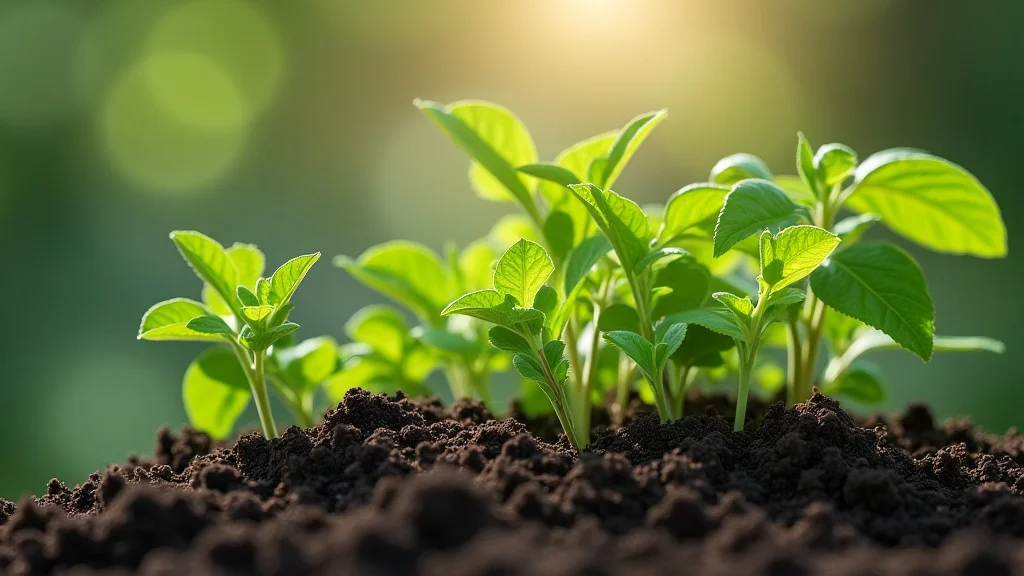
Remember that time your neighbor, Mrs. Gable, was selling her prize-winning tomatoes at the farmer’s market? Everyone raved about them, and she was making serious cash! That sparked your interest in turning your own backyard into a profitable venture, right? Well, you’re in the right place. This post is your guide to mastering best money making home gardening tips. We’ll explore practical strategies, from choosing the right crops to marketing your harvest, so you can turn your love for plants into a profitable side hustle. Prepare to gain valuable insights to cultivate not only delicious food but also a thriving home garden business. You’ll learn how to transform your green space into a source of income, and boost your financial future!.
Key Takeaways
- Discover profitable crops ideal for home gardening.
- Learn effective marketing strategies to sell your produce.
- Master growing techniques to maximize yield and quality.
- Understand the legal and logistical aspects of selling garden goods.
- Explore sustainable gardening practices for long-term success.
- Find ways to minimize costs and maximize profits in your gardening business.
Choosing Profitable Crops
The foundation of any successful home gardening business is selecting the right crops. Not all plants are created equal when it comes to profit potential. Several factors should influence your choices, including local demand, climate suitability, and your personal gardening expertise. Researching what sells well in your area is the initial step; visit local farmers’ markets, grocery stores, and online marketplaces to identify popular items and price points. Growing crops that are in high demand and limited supply can translate directly to higher profits.
High-Value Crops to Consider
Certain plants consistently outperform others in terms of market value and ease of cultivation. Consider incorporating these into your garden plan to maximize your earnings:
- Heirloom Tomatoes: These varieties often command premium prices due to their unique flavors and appearance.
- Specialty Herbs: Herbs like basil, mint, and rosemary are always in demand for cooking and herbal remedies.
- Gourmet Greens: Arugula, spinach, and kale are popular for salads and can be sold in bundles.
- Berries: Strawberries, raspberries, and blueberries are highly sought after at farmers markets.
- Cut Flowers: Sunflowers, zinnias, and other colorful blooms are popular with consumers.
Each of these options has unique requirements, so align your crop choices with your experience. For instance, growing berries might require more advanced gardening knowledge than herbs.
Adapting to Your Climate and Space
Your local climate is critical in determining which crops will flourish in your garden. Different regions have unique growing seasons, temperature ranges, and soil conditions that impact plant growth. Before planting, find out what the growing season is in your area, and assess your garden’s sun exposure and soil quality. Choosing crops suited to your microclimate significantly reduces the need for artificial interventions. Consider the amount of space available in your garden. Do you have a small backyard, a patio, or a larger plot? You can maximize your output by selecting crops with the most effective space use.
Market Research and Demand
Before planting anything, spend some time exploring your local market. This may involve visiting farmers markets, speaking with local restaurants, and exploring online sales platforms. Figure out which crops have a solid base of demand and a good price point. This allows you to focus your gardening efforts on the most financially rewarding crops. Consider joining local gardening groups and online forums to connect with potential customers. Surveying potential buyers can also give you insights into their preferences and willingness to pay. Understanding local market trends helps to ensure you grow products that people want to buy.
Growing for Profit: Techniques and Tips
Once you’ve selected your crops, the next step is to master effective growing techniques. Applying the correct practices from planting to harvesting will make your garden efficient, productive, and profitable. These techniques affect the quality of your produce, which directly impacts its value and appeal to customers. Careful attention to detail is essential to maintain high standards and cultivate a reputation for quality.
Optimizing Soil and Nutrition
The foundation of healthy plants is the soil. Begin by testing your soil to determine its composition, pH level, and nutrient content. This information informs the choices of amendments needed. Compost, aged manure, and other organic matter improve soil structure, increase water retention, and supply essential nutrients. Use a soil test to establish whether you have any deficiencies or excesses of elements. Incorporating soil amendments before planting is the ideal. Additionally, learn about the particular needs of each crop. Some plants are heavy feeders, while others have low nutrient requirements.
Effective Watering and Irrigation Strategies
Water is essential for plant growth and is a crucial resource to manage carefully. The type of irrigation system you use can impact the health of your plants and water usage. Drip irrigation delivers water directly to the roots, reducing water waste and the risk of fungal diseases. Water deeply but infrequently, which encourages robust root development. The time of day you water is also a factor. Watering in the early morning allows the plants to absorb the water, and reduces water loss due to evaporation during the day. Monitor the soil moisture levels to ensure the plants get adequate water, particularly during dry spells.
Pest and Disease Management
Pests and diseases can significantly impact your yields and crop quality. Regular scouting is the best way to detect problems early. Identify potential pests and diseases common in your area and take proactive measures. Consider introducing beneficial insects, such as ladybugs and lacewings, to control pests naturally. Use organic sprays and treatments as a preventative measure. A well-maintained garden with good air circulation and adequate spacing reduces the likelihood of disease. Maintain a clean garden by removing diseased plants and debris immediately. Crop rotation is also an efficient practice that disrupts pest cycles and prevents disease.
Marketing Your Harvest
Having a bountiful harvest is only half the battle; knowing how to market your produce is just as important. Your marketing strategy determines how your products are sold, who buys them, and how much profit you generate. There are several ways to market your harvest, and the best strategy often involves a mix of approaches, depending on your resources, location, and the product you’re selling. Understanding your target customers and the best way to reach them will contribute to your success.
Farmers’ Markets and Local Sales
Farmers’ markets are popular places for small-scale growers to sell their produce directly to consumers. Participating in a local farmers’ market is an excellent way to connect with potential customers and gain exposure. These markets offer an opportunity to interact with customers, who can ask questions about your growing practices. A well-presented stall with fresh, attractive produce is more likely to draw customers. Setting competitive prices and offering samples can increase sales. In addition, promoting your business through signage, business cards, and social media can attract and keep customers.
Online Sales and Delivery Services
The digital world provides new opportunities for home gardeners. Creating an online store or using online platforms, like Etsy or Facebook Marketplace, can extend your reach beyond the local market. Offering home delivery increases customer convenience and provides you with direct contact with buyers. Setting up an online store includes taking high-quality photos of your produce, writing clear descriptions, and setting prices. Promote your online store via social media and email marketing. Consider partnering with local delivery services to enhance your reach. Make the shopping experience simple and provide excellent customer service.
Building Customer Relationships
Word-of-mouth recommendations are potent in establishing a loyal customer base. Building relationships with your customers ensures repeat business. Provide exceptional customer service by responding quickly to inquiries and resolving any problems. Be knowledgeable about your products, which builds trust with consumers. Consider providing tips for cooking and storing the produce. This will demonstrate you are more than a seller; you care about what they are doing with your product. Organize customer loyalty programs or offer discounts to keep repeat customers.
Legal and Logistical Considerations
Before launching your home gardening business, consider the legal and logistical aspects of selling your produce. Knowing and adhering to the relevant rules will protect your business, give credibility to your work, and ensure a smooth business operation. Legal and logistical details can vary depending on your location, so research the specifics in your area. Failure to comply with the rules could result in penalties or the closure of your business.
Licensing and Permits
Depending on the scale of your operation and location, you may need to obtain business licenses and permits. Investigate local regulations related to food sales and the operation of a small business. Your local city or county government can provide information on necessary licenses and permits. If you plan to sell at farmers’ markets or through other direct sales channels, you may require a food handler’s permit. Complying with all local, state, and federal laws is important to run your business legally.
Food Safety and Handling Practices
Ensure the health and safety of your customers by adopting sound food safety practices. Clean all produce before selling it. Follow guidelines for food storage and handling. Maintain good hygiene by washing your hands and using clean tools and equipment. Consider getting food safety certification, which shows a dedication to food safety standards and builds consumer trust. Properly labeling your products, with information on the type of product, origin, and any certifications, will improve transparency and consumer confidence. These practices help protect both your customers and your business.
Insurance and Liability
Consider the need for business insurance to protect yourself from liability. General liability insurance covers you in the case of accidents or other incidents that occur on your property or related to your business activities. Product liability insurance protects you if a customer becomes ill or harmed due to the consumption of your produce. Before buying a policy, understand the coverage and the exclusions. Consult with an insurance professional to determine your insurance needs. Consider having contracts that set out your conditions of sale and limit your liability.
Sustainable Practices for Long-Term Success
Sustainability is essential not only for environmental reasons but also for the long-term viability of your home gardening business. Adopting sustainable practices reduces the environmental impact of your operations. It can improve soil health, conserve resources, and add to the appeal of your produce. Consumers have become increasingly conscious of where their food comes from and how it is produced, so promoting your sustainable practices can draw customers and increase sales.
Composting and Organic Amendments
Composting is a cornerstone of sustainable gardening. It transforms kitchen scraps, yard waste, and other organic materials into nutrient-rich soil amendments. Compost boosts soil structure, improves water retention, and reduces the need for synthetic fertilizers. Use a composting system to transform your waste into a valuable resource. Choose organic fertilizers, such as bone meal, fish emulsion, and seaweed extract, to supplement your soil. These amendments are better for the environment and often result in healthier, more nutritious crops. Organic practices are a great way to meet consumer demand and align with sustainable values.
Water Conservation Techniques
Conserving water is essential in creating a sustainable home garden. Implement water-efficient practices, such as drip irrigation, to reduce water waste. Mulch around your plants to help retain moisture and reduce evaporation. Collect rainwater using rain barrels or other collection systems to supply your garden with free, natural water. Choosing drought-tolerant plants, appropriate for your local climate, is also a useful approach. Monitor the weather and water your plants according to their needs. Implementing these techniques will help conserve water and reduce your water bill, while contributing to a healthier environment.
Reducing Waste and Promoting Biodiversity
Minimize waste in your gardening operation by recycling and reusing materials. Compost or repurpose organic waste instead of sending it to the landfill. Use biodegradable pots and containers, and recycle any plastic or other materials you must use. Encourage biodiversity in your garden by planting a variety of crops and flowers. This attracts beneficial insects, pollinators, and other creatures, creating a balanced ecosystem that helps to control pests and diseases. By reducing waste and promoting biodiversity, you build a resilient, sustainable ecosystem that is good for the environment and your business.
Cost-Cutting and Profit Maximization
Turning a home garden into a successful business requires balancing revenue and expenses. Identifying ways to minimize your costs and optimize your pricing is essential to boost your profits. Careful financial planning, efficiency, and smart resource management can turn your garden into a sustainable income source. By evaluating every aspect of your business, you can identify areas for improvement, reduce spending, and increase your profitability.
Budgeting and Financial Planning
Begin by making a detailed budget that lists all anticipated expenses and revenues. This includes the cost of seeds, soil, tools, and marketing. Be precise in recording the time, and any labor, and calculate its cost. Track your income, and keep financial records. Develop a pricing strategy based on market research, production costs, and the value you bring to your customers. Create a financial plan that predicts your cash flow, and identifies potential funding requirements. Review your budget and adjust the prices regularly to make sure your financial plans are on target. Regularly reviewing your financial data will help you stay on track and make adjustments as needed.
Seed and Supply Sourcing
Your choice of seeds and supplies can greatly affect your expenses and your results. Research the best providers for seeds and plants to ensure high-quality, disease-resistant crops. Consider buying seeds in bulk, especially for crops that are in high demand and that you plan to grow regularly. Compare prices and quality from different suppliers to find the best deals. Invest in long-lasting, durable tools and equipment to reduce replacement costs. Consider using recycled materials in your garden, such as repurposed containers or compost bins. Optimizing your seed and supply sourcing can significantly lower your expenses and increase your profit margins.
Pricing Strategies and Value-Added Products
Developing a strategic pricing system is key to maximizing your earnings. Compare your prices with those of other growers in your area, and consider the quality of your produce. Decide if you will offer any discounts or promotions to attract customers. Explore adding value to your products to boost your profits. For example, instead of selling just tomatoes, you could create and sell jars of homemade salsa or tomato sauce. Consider offering mixed vegetable baskets, or ready-to-eat salads, to provide more value. By adding value, you can differentiate yourself from the competition and charge a premium for your products.
Common Myths Debunked
Myth 1: Home Gardening Isn’t a Real Business
Many believe that home gardening is only a hobby, and it can’t be a source of income. However, with the right planning, growing techniques, and marketing, a home garden can be a legitimate business. Successful home gardeners sell their produce at farmers’ markets, online, and to local restaurants. It is an opportunity to generate revenue and build a sustainable, profitable venture.
Myth 2: It Requires a Huge Amount of Space
Many people think you need a huge plot of land to turn gardening into a business. Although more space can increase production, you don’t need acres to make money. Even a small backyard, a patio, or containers on a balcony can be productive. The key is efficient use of the space and choosing crops that are well-suited to the available area.
Myth 3: You Need Extensive Gardening Experience
While experience helps, you don’t need to be a seasoned gardener to start a home gardening business. Beginner-friendly crops like herbs, lettuce, and tomatoes can be successfully grown with some basic knowledge. There are lots of resources available for gardeners of all levels, including online courses, books, and local gardening groups. Starting small and learning as you go allows you to build your skills gradually.
Myth 4: It’s Too Time-Consuming
Some people assume that gardening requires a lot of time. While it’s true that growing crops takes time and effort, the amount of time involved can be managed by effective planning, crop selection, and efficient practices. Automation tools, like automatic watering systems, can minimize time spent on chores. Choosing crops with shorter growing cycles and a bit of forethought can make the process more manageable.
Myth 5: It’s Not Possible to Compete With Large Farms
People think it is impossible to compete with commercial farms. Home gardeners often have advantages that can help them succeed in the market. They can offer fresh, locally-grown produce, grown with sustainable practices that appeal to consumers. Building relationships with customers and focusing on niche markets can help differentiate you. You can compete by offering something different in terms of quality, varieties, and customer service.
Frequently Asked Questions
Question: How much money can I make from home gardening?
Answer: Earnings depend on the crops, market, and efforts. Some gardeners make several hundred to several thousand dollars yearly. The more effort put in to planning, growing, and marketing the produce, the higher the revenue is.
Question: Do I need special equipment to start?
Answer: No, the essential tools are: hand tools, watering cans, and a place to plant seeds. Invest in durable equipment as your business grows. Your initial investment can be very low.
Question: What are the best crops for beginners?
Answer: Beginner-friendly crops: herbs, lettuce, spinach, radishes, and bush beans. These grow fast and are generally less sensitive to pests and diseases. They’re also in demand.
Question: How do I find customers?
Answer: Start with local farmers’ markets and connect with neighbors and friends. Use social media to show your produce and attract local customers. Create an online store and offer deliveries.
Question: Do I need to be certified organic?
Answer: No. Although, you can get certified organic. Growing organically is becoming more important. Focus on growing practices, advertise what you do, and give assurances to your customers.
Final Thoughts
Transforming your home garden into a profitable business is an achievable goal, and a rewarding endeavor for those with a passion for plants. By carefully selecting profitable crops, mastering key growing techniques, and creating a strong marketing strategy, you can convert your backyard into a source of income. Remember, the best money making home gardening tips also involves the legal and logistical considerations, and adopting sustainable practices that protect your business and contribute to a healthier planet. This venture offers more than just monetary gains. It allows you to connect with nature, provide fresh, healthy food to your community, and fulfill your entrepreneurial dreams. Take the first step by assessing your garden space, and choosing your first crop! You’ll be well on your way to success, so start your home gardening adventure today!