Gardening Availability During Fall Two Practical Tips
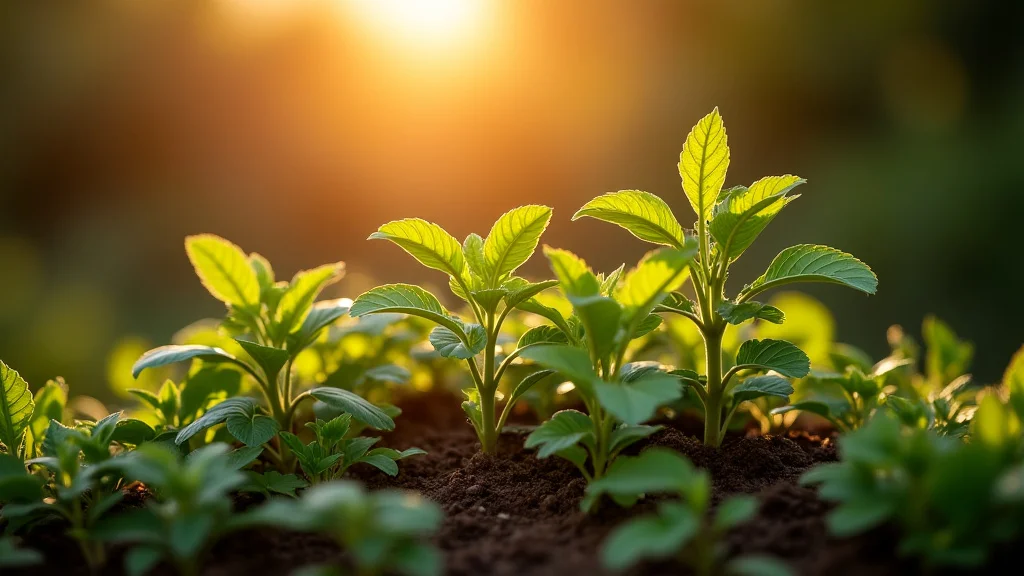
The first crisp air of autumn usually signals the end of gardening for many, right? I always thought so, too, until my neighbor, a seasoned gardener, was out in her yard planting bulbs while I was already preparing for winter. She shared that gardening availability during fall is actually quite amazing. She gave me some helpful advice, and now I’m prepping my own garden for a late-season boost! This post will help you discover how to make the most of gardening availability during fall. You’ll learn essential strategies to keep your garden thriving and get a head start on next year’s blooms. Prepare to extend your gardening season and boost your landscape’s beauty.
Key Takeaways
- Fall is a great time to plant certain vegetables and flowers.
- Preparing your garden beds in the fall can lead to success next spring.
- Mulching your garden during autumn protects plants from cold.
- Proper fall cleanup ensures a healthy garden next year.
- Extending the season means you get to enjoy beautiful plants longer.
- You can plan and prepare for future gardening projects.
Extending Your Gardening Season
Many gardeners believe that the fall signals the end of the gardening season. However, this is far from the truth! Fall offers an excellent opportunity to extend your gardening activities, allowing you to enjoy fresh produce and beautiful blooms well into the colder months. You can take advantage of the milder temperatures and increased soil moisture that usually characterizes fall. It’s an ideal time to plant certain vegetables and flowers. Planting now means these plants will have a head start when spring arrives. This leads to bigger, healthier plants and an early harvest. By following some key steps, you can transform your garden into a thriving space even as the leaves begin to change.
Choosing the Right Plants
The secret to successful fall gardening lies in selecting plants that thrive in cooler temperatures. Not all plants are created equal. Some will struggle in the chill, while others actually prefer it. Cool-season crops like spinach, lettuce, kale, and radishes love the fall. These plants germinate quickly and grow steadily. They can often provide a harvest before the first hard frost hits. In addition to vegetables, many flowers also perform well in the fall. Pansies, mums, and asters are popular choices, adding vibrant color to your landscape. Consider the specific climate conditions in your area when making your plant selections. Check your local USDA Plant Hardiness Zone for advice on which plants will grow best in your area.
- Cool-Season Vegetables: These include leafy greens, root vegetables, and brassicas. They thrive in cooler temperatures and can often be harvested before the first frost.
- Fall-Blooming Flowers: Flowers add beauty and attract pollinators, offering vibrant color as the season progresses.
- Bulb Planting: Planting spring-flowering bulbs, such as tulips and daffodils, is a crucial fall task.
- Cover Crops: Consider using cover crops to enrich your soil and prevent erosion.
Leafy greens are especially suited to fall planting. Varieties of lettuce, spinach, and kale can be directly sown into the ground or started from seedlings. They grow quickly in the cooler weather, giving you fresh salads and side dishes well into the autumn. Root vegetables like radishes, turnips, and carrots also love the fall. They appreciate the slightly cooler soil conditions. Root crops develop more gradually than leafy greens. However, with the right care, you can expect a rewarding harvest. Brassicas, a group that includes broccoli, cauliflower, and cabbage, also perform well in the fall. But these plants need a longer growing season. It is best to start brassicas as seedlings indoors or purchase young plants from a nursery for the best results.
Pansies are a fall favorite, offering a cheerful display in a range of colors. They can withstand light frosts and continue to bloom well into the fall. Mums are another popular choice. They come in a multitude of colors, providing a burst of late-season color. Asters, with their daisy-like flowers, are also a beautiful addition to the autumn garden. Consider planting bulbs like tulips and daffodils in the fall. They need a period of cold dormancy to bloom in the spring. This will give you early spring beauty. Choosing the right flowers can transform your garden into a late-season spectacle.
These bulbs need to be planted in the fall. This allows them to develop roots before the ground freezes. These roots are crucial for the bulb’s ability to sprout and bloom in the spring. Different bulbs need planting at different times in the fall. Early-blooming bulbs, such as crocuses, should be planted earlier. Late-blooming bulbs, like tulips, can be planted later in the season. Consider your local climate and follow the planting instructions on the bulb packages. Remember to choose a location with well-drained soil and adequate sunlight. Planting bulbs is a simple step, yet it has a significant impact on the beauty of your spring garden.
Cover crops, also known as green manures, are planted to protect and enrich the soil. They are not harvested for human consumption. Instead, they are grown to improve soil health. Cover crops are very beneficial. They prevent soil erosion over the winter. They also add nutrients back into the soil when they decompose. Examples of fall cover crops include rye, oats, and clover. They help to break up compacted soil. They also suppress weed growth. Before planting a cover crop, remove any existing weeds. Prepare the soil by loosening it to a few inches deep. You can then sow the cover crop seeds according to the package instructions. This is a very useful way to improve your soil’s health.
Preparing Your Garden Beds
Proper bed preparation in the fall lays the groundwork for a successful spring garden. It involves several key steps designed to improve soil quality, manage pests, and prepare your garden for the following season. Fall bed preparation boosts your garden’s overall health and productivity. It ensures that your plants get the best possible start. It will also reduce the effort you’ll need to put in come spring. Careful attention to these tasks is a key component to a vibrant and productive garden.
- Soil Testing and Amendment: Testing your soil allows you to determine its nutrient levels and pH.
- Weeding and Cleanup: Removing weeds and plant debris is vital for a clean and healthy garden.
- Composting and Mulching: Adding compost and mulch enriches the soil and protects plants from winter weather.
- Protecting Perennials: Preparing perennials for winter ensures they survive and thrive.
A soil test provides valuable information about the composition of your soil. This includes its levels of essential nutrients like nitrogen, phosphorus, and potassium. Testing also determines the soil’s pH level, which affects nutrient availability to plants. You can purchase soil testing kits at garden centers or send a sample to a soil testing laboratory. Once you receive your soil test results, you’ll know exactly what your soil needs. If your soil is low in nutrients, you can add organic matter like compost or well-rotted manure. If the pH is too low (acidic), adding lime can help balance it. Amending your soil now gives it time to incorporate these improvements. The results are healthier plants next spring.
Weeds compete with your plants for nutrients, water, and sunlight. Getting rid of weeds now prevents them from going to seed and causing problems next year. Start by pulling or hoeing out any existing weeds in your garden beds. Then, remove any dead plant material. This includes the remnants of vegetables, flowers, and fallen leaves. Composting this debris is a good option, provided it is free of diseases and pests. Clean up helps to reduce hiding places for pests and diseases. If you notice any signs of disease, such as spots or wilting, do not compost the affected plant material. Instead, dispose of it properly to prevent the spread of disease.
Composting is a great way to recycle organic materials. It also adds valuable nutrients to your garden. Apply a layer of compost to your garden beds. This can be worked into the soil to improve its structure and fertility. Then, add a layer of mulch. Mulch serves several purposes. It helps retain moisture in the soil. It also regulates soil temperature. A good layer of mulch can protect your plants from the cold and reduce the need for watering. Common mulch materials include straw, shredded leaves, and wood chips. Choose the material that best suits your garden’s needs and aesthetic preferences.
Perennials are plants that live for more than two years. They need special care to survive the winter. After the first hard frost, cut back the foliage of your perennials to a few inches above the ground. This will help them conserve energy and protect them from winter damage. Add a layer of mulch around the base of the plants. This will insulate their roots from freezing temperatures. In areas with harsh winters, you may want to provide additional protection. This could include covering the plants with burlap or a protective cloth. Be sure to remove these covers in the spring when the threat of frost has passed.
Fall Gardening for Next Year’s Success
Fall gardening isn’t just about extending the current season. It’s also about preparing for a successful growing season next year. The tasks you undertake in the fall have a significant impact on your garden’s health and productivity. By using the fall for these key preparations, you can save time and effort in the spring. You can also ensure that your garden will be ready to flourish when the weather warms up.
Planning and Seed Starting
The fall is an excellent time to plan next year’s garden and start seeds indoors. Planning now allows you to consider your garden layout and make informed decisions about what to plant. Seed starting is a cost-effective way to get a jump start on the growing season, giving your plants a longer period to mature.
- Garden Planning: Use the fall to sketch out your garden layout for next year.
- Seed Selection: Research different plant varieties and order seeds early.
- Indoor Seed Starting: Start seeds indoors during the fall for a head start on spring.
- Cold Frames and Row Covers: Protect plants during the fall and early spring.
Start by assessing your garden space and determining how much room you have for planting. Consider the sunlight your garden receives throughout the day. This will help you decide where to plant different crops. Group plants according to their light requirements. Think about crop rotation. This helps to prevent soil-borne diseases and improves soil health. Rotate crops to different areas of your garden each year. Consider which plants worked well this year and which ones didn’t. Record these observations. They will help you make better decisions next year. By spending time in the fall planning, you can set your garden up for success.
The fall is a great time to browse seed catalogs or explore online seed stores. Research the plants you want to grow. Check their growing requirements, such as sunlight and soil preferences. Look for varieties that are well-suited to your local climate. Consider choosing disease-resistant varieties. Ordering your seeds early ensures that you’ll have them when it’s time to start planting in the spring. Make a list of the seeds you need. Order them from reputable seed suppliers. Note the starting dates and planting instructions to help you during the planting process. Your detailed list will make planting much easier in the spring.
Starting seeds indoors is a great way to get a head start on the growing season. This is especially helpful for slow-growing plants. Some popular choices are tomatoes, peppers, and eggplants. Gather your seed starting supplies, which include seed trays, seed starting mix, and a heat mat. Start by filling the seed trays with the seed starting mix and moistening it. Plant the seeds according to the package instructions. Keep the seed trays in a warm location. Use a heat mat to help maintain a consistent soil temperature for the seeds. Provide adequate light. You can use grow lights or place the trays near a sunny window. Transplant the seedlings into your garden in the spring when the weather is warm enough.
Cold frames and row covers are useful tools. They provide an extra layer of protection for your plants. Cold frames are small, enclosed structures. They create a microclimate that shields plants from cold temperatures, wind, and frost. They help to extend your growing season. Row covers are lightweight fabrics that are draped over plants. They help to trap heat, conserve moisture, and protect plants from pests. Set up a cold frame or use row covers during the fall and early spring. They provide an extra layer of protection. This will allow you to grow cold-sensitive plants. This ensures your plants get off to the best possible start.
Protecting Your Garden From Pests and Diseases
The fall is also a strategic time to manage pests and diseases. Taking action now can prevent problems from developing next year. A proactive approach will help you to maintain a healthy garden. This will reduce the need for harsh treatments.
- Pest Control: Implementing strategies to control pests is essential.
- Disease Prevention: Take steps to prevent the spread of diseases.
- Soil Sanitation: Sanitize your soil to remove disease-causing pathogens.
- Fall Garden Cleanup: Cleaning your garden is vital for preventing pests and diseases.
Inspect your garden for signs of pests, such as aphids, spider mites, and Japanese beetles. Remove any infested plants or plant parts. Use natural pest control methods. Introduce beneficial insects like ladybugs and lacewings. Apply insecticidal soap or neem oil. These are organic options that can help control pests. Protect your garden by setting up barriers, such as netting, to keep pests away. Use row covers over your plants. Be sure to check plants regularly for pests. Proper pest management now will protect your plants in the future. Regular checks will prevent pests from becoming a major issue.
Remove any diseased plant material from your garden. Do not compost it. Dispose of it properly to prevent the spread of diseases. Choose disease-resistant plant varieties. They are less likely to be affected by common garden diseases. Improve air circulation in your garden by spacing plants appropriately. This helps to reduce the humidity levels. Use organic fungicides, such as sulfur or copper-based sprays. They can help control fungal diseases. By preventing diseases early, you will protect your plants. Healthy plants are better able to ward off disease. This ensures a healthier garden in the years to come.
The soil can harbor disease-causing pathogens. So, it’s essential to sanitize your soil. Solarization is a simple method. You cover the soil with clear plastic sheeting. This traps the sun’s heat. The heat kills many soil-borne pathogens. Soil testing can help you determine if you have any nutrient deficiencies or imbalances. Correcting soil imbalances can prevent certain diseases. The best way to sanitize your soil is to incorporate compost and other organic matter. This helps promote beneficial soil microbes. These microbes will compete with disease-causing pathogens. This helps to keep your garden healthy. Soil sanitation protects your plants from disease.
After the growing season, it is important to remove any dead plant material. Remove any debris. This will eliminate habitats for pests and diseases. Cutting back the foliage of perennials also helps to prevent diseases. Clean up any fallen leaves and debris around your garden beds. This can harbor pests and diseases. Compost all the healthy plant material. Dispose of diseased plants appropriately. This reduces the risk of pests and diseases. This also prevents their spread to other plants in your garden. A clean and tidy garden is essential to prevent pests and diseases. Your care now will contribute to a healthier, more productive garden.
Common Myths Debunked
Myth 1: Fall gardening is too late to plant anything.
In reality, many vegetables and flowers actually thrive when planted in the fall! The cooler temperatures, increased soil moisture, and reduced pest pressure make it an ideal time for certain plants to establish themselves. Cool-season crops like spinach and kale love this season. Fall planting can lead to earlier harvests and stronger, healthier plants. It’s a great way to extend your gardening season and enjoy fresh produce or beautiful blooms for longer.
Myth 2: Fall gardening means your plants will be frozen and die.
While frost is a concern, proper fall gardening practices can protect your plants. Selecting cold-hardy varieties, providing adequate mulch, and using row covers or cold frames can shield plants from freezing temperatures. Many plants can survive light frosts and even continue to grow through the fall and early winter. Plus, planting in the fall gives plants a head start on root development, making them more resilient to winter conditions.
Myth 3: There is no need to fertilize in the fall.
Some plants benefit from a light feeding in the fall. This is especially true for perennials that will be spending the winter in your garden. Applying a balanced fertilizer in the fall can help these plants store energy for the winter. It prepares them for vigorous growth in the spring. However, it’s vital to avoid over-fertilizing. Too much fertilizer late in the season can lead to new growth that is vulnerable to cold damage.
Myth 4: Garden cleanup is only for cosmetic reasons.
While a tidy garden looks nice, fall garden cleanup goes way beyond aesthetics. Removing dead plant material, weeds, and debris significantly reduces the chances of pests and diseases overwintering in your garden. These pests and diseases can then re-emerge in the spring. It makes the cleanup an important part of a long-term pest and disease management strategy. It also helps with garden health.
Myth 5: Fall gardening is too much work.
Fall gardening may require some effort, but it also offers many benefits. It often requires less watering and weeding. The soil is usually moist and the weather milder. These conditions make planting easier. Fall gardening can actually save you time in the spring. Fall bed preparation and planting activities reduce the spring workload. Many fall-planted crops require less maintenance overall, offering a rewarding gardening experience.
Frequently Asked Questions
Question: What vegetables can I plant in the fall?
Answer: Cool-season vegetables like spinach, kale, lettuce, radishes, carrots, and turnips thrive when planted in the fall.
Question: When should I plant bulbs in the fall?
Answer: Plant spring-flowering bulbs, like tulips and daffodils, in the fall, typically about 6-8 weeks before the first hard frost.
Question: What is the best way to prepare my garden beds for fall planting?
Answer: Amend your soil with compost, remove weeds and plant debris, and apply mulch to retain moisture and regulate soil temperature.
Question: How do I protect my fall-planted crops from frost?
Answer: Use mulch, row covers, or cold frames to shield your plants from freezing temperatures.
Question: Is it necessary to fertilize plants in the fall?
Answer: A light application of fertilizer can benefit some plants. Avoid over-fertilizing to prevent new growth that is susceptible to cold damage.
Final Thoughts
Embracing gardening availability during fall can change how you view the end of the growing season. Armed with the right plants and strategies, you can extend your garden’s beauty and productivity far beyond the typical summer months. The key to fall gardening success lies in smart plant choices, proper bed preparation, and a commitment to protecting your plants. Preparing your garden for the winter, from seed starting to proper cleanup, will set the stage for a thriving garden next spring. It is a fantastic opportunity to get ahead on projects and improve your garden soil. Fall is a great time to enjoy the process of gardening, so enjoy the season! Consider your local climate and make sure to have fun. So, roll up your sleeves, grab your gardening tools, and get ready to enjoy the unique benefits that fall gardening provides!