Flower Pot Gardening Tips: Create a Thriving Garden Anywhere
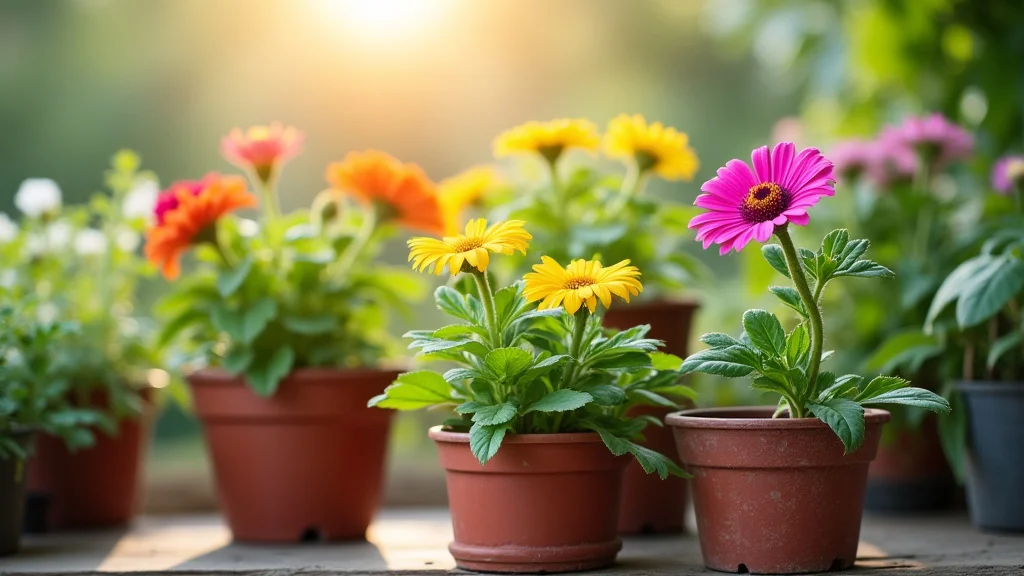
Remember that time you tried to grow herbs in that sad little pot on your windowsill? The basil quickly withered, and the mint, well, it just gave up. Sound familiar? We’ve all been there! But don’t let a bad experience discourage you. With the right flower pot gardening tips, you can transform any space, big or small, into a flourishing garden oasis. This post provides you with everything you need to know to be successful, including container selection, soil preparation, plant choices, and maintenance. You’ll be a gardening pro in no time, and your space will be filled with vibrant blooms and delicious herbs. Learn how to maximize your chances of success, leading to more enjoyable gardening experiences.
Key Takeaways
- Learn how to choose the right flower pot for your plants and space.
- Discover the best soil mixes for healthy plant growth in containers.
- Find out how to select plants that thrive in pots and suit your climate.
- Master essential watering and fertilizing techniques for container gardens.
- Understand the importance of sunlight and how to position your pots.
- Explore simple methods for pest and disease control in flower pot gardens.
Choosing the Right Flower Pot for Your Plants
Selecting the ideal flower pot is the first step towards a flourishing container garden. The type of pot you choose impacts drainage, air circulation, and overall plant health. From size to material, several aspects need consideration. Choose the right one, and your plants will be happier and healthier; choose the wrong one, and you’ll run into issues. Careful selection is the foundation for success in this rewarding activity.
Material Matters: Selecting Your Pots
The material your pot is made from significantly impacts your plants. Different materials offer unique advantages and disadvantages. Let’s explore the common types:
- Terra Cotta: These pots are porous, allowing air and water to pass through, which helps prevent root rot. They’re great for plants that prefer drier conditions. However, they can dry out quickly, requiring more frequent watering, especially in warmer climates. They are a classic choice and blend well into any gardening setting.
- Plastic: Plastic pots are lightweight, affordable, and retain moisture well. They come in various colors and designs, making them a versatile choice. While they don’t dry out as quickly as terra cotta, they can retain too much moisture, potentially leading to root rot. Make sure they have adequate drainage holes.
- Ceramic: Ceramic pots are aesthetically pleasing and retain moisture similarly to plastic. They are usually glazed, preventing water from escaping, so they might be suitable for drought-tolerant plants or in humid environments. They can be more expensive and heavy than plastic options.
- Wood: Wooden pots, when properly sealed, offer excellent insulation and breathability. They can last for years and add a rustic charm to your garden. Ensure the wood is treated to resist rot and is well-draining.
- Metal: Metal pots can be very durable and stylish. They can heat up in direct sunlight, potentially affecting root temperatures. Ensure proper drainage and select a lighter-colored metal to minimize heat absorption.
In a study by Iowa State University, it was discovered that plants in terra cotta pots required watering up to twice as often as those in plastic pots. This highlights the importance of choosing the right material depending on your local climate and your watering capabilities.
Sizing Up Your Flower Pots
The size of your pot should match the plant’s needs. A pot that’s too small will restrict root growth, while a pot that’s too large can retain too much moisture, leading to root rot. Here’s what you should know:
- Consider the Plant’s Mature Size: Check the plant’s expected size at maturity. Select a pot that is large enough to accommodate the plant’s root system when it is fully grown. The pot should be at least a few inches larger in diameter and depth than the root ball.
- Start Small: When starting from seedlings or small plants, avoid using excessively large pots. A pot that’s too big may hold excess water, creating an environment that encourages root rot. Instead, use a pot that is just large enough for the existing root system to expand. You can then transplant to a larger container as needed.
- Drainage is Crucial: Always ensure the pot has drainage holes at the bottom. These holes prevent water from pooling and causing root rot. If a pot lacks drainage holes, you can add them yourself using a drill or choose a pot with a built-in drainage system.
- Pot Depth: Consider the root depth of the plant. A deep-rooted plant, like a tomato, needs a deeper pot than a shallow-rooted plant, like a lettuce.
As a rule of thumb, when you move a plant to a bigger pot, increase the pot’s size by only a few inches at a time. This prevents excessive soil from retaining too much water.
Drainage and Design: Key Considerations
Effective drainage and the overall design of the flower pot significantly influence plant health. Poor drainage is a leading cause of plant failure, so it’s essential to understand the aspects of pot design that contribute to a healthy container garden.
- Drainage Holes: Essential for allowing excess water to escape. Always check that your pot has one or more holes at the bottom. If the pot lacks these, the roots can rot, as they sit in waterlogged soil.
- Pot Shape: The shape of the pot can impact how quickly the soil dries out. Wide, shallow pots tend to dry faster than deep, narrow pots. Choose a pot shape that suits the plant’s needs and the environmental conditions.
- Pot Feet or Risers: These lift the pot slightly, improving air circulation under the pot, and promote better drainage. They help prevent the drainage holes from getting blocked.
- Material’s Impact: As mentioned earlier, the pot’s material affects drainage and moisture retention. Terra cotta is porous and dries quickly, while plastic retains moisture. Select a material appropriate for your plant.
For example, you could compare two identical plants, one in a pot with good drainage and one without. The plant in the well-drained pot will exhibit significantly better growth and health compared to the one in the poorly drained pot, showing the importance of drainage.
Soil Secrets: Preparing the Perfect Potting Mix
The soil you use in your flower pot gardening tips is the lifeline of your plants, providing them with the necessary nutrients, water retention, and aeration. A well-prepared potting mix is more important for container gardens compared to ground planting. Unlike garden soil, potting mix is designed to provide the right environment for plant growth. Regular garden soil can compact in a container, becoming dense and preventing proper air circulation, which can be detrimental to plant health. A good potting mix is light, well-draining, and rich in nutrients.
Understanding the Components of Potting Mix
A good potting mix is not just dirt; it’s a carefully balanced combination of ingredients that create an environment ideal for your plants. It should provide drainage, aeration, and nourishment. Here are the core ingredients and their functions:
- Peat Moss: This is an organic material that retains water, provides aeration, and helps improve the structure of the mix. It is made from partially decayed sphagnum moss.
- Coconut Coir: A sustainable alternative to peat moss, coconut coir is made from the husks of coconuts. It offers similar benefits, including excellent water retention and aeration. It’s a great option for those trying to reduce their environmental impact.
- Perlite: This is a volcanic glass that helps improve drainage and aeration. It’s lightweight and improves the soil’s structure by preventing compaction.
- Vermiculite: Another mineral, vermiculite helps retain water and nutrients, making them available to the plant roots. It also aids in aeration.
- Compost: Compost adds nutrients to the soil and improves its structure. It is made from decomposed organic matter, such as food scraps and yard waste.
Consider a practical scenario: If you’re growing herbs, a mix including peat moss or coir for moisture retention, perlite for drainage, and compost for nutrients is a great starting point. Your plants will flourish.
Making Your Own Potting Mix
Creating your own potting mix allows you to customize it according to your plant’s specific needs and gives you more control over the quality of the mix. This can be more cost-effective. Here’s how to create your own:
- Basic Recipe: A basic mix might consist of one part peat moss or coir, one part perlite, and one part compost. Mix these components thoroughly.
- Adjusting for Plant Needs: For plants that prefer more moisture, you can increase the proportion of peat moss or coir. For plants that need excellent drainage, increase the perlite content.
- Adding Amendments: To boost the nutritional content, you can add worm castings, bone meal, or other organic fertilizers.
- Sterilization: To avoid introducing unwanted pathogens or weed seeds, consider sterilizing your mix. This can be done by baking it in an oven at a low temperature (around 200°F or 93°C) for a short time or by using steam.
By blending your own mix, you can tweak the formula to suit the unique requirements of your plants, creating a customized environment.
Store-Bought vs. Homemade: Pros and Cons
When selecting your potting mix, you’ll need to consider whether to purchase a commercial product or to make your own. Each method has benefits and drawbacks. Here’s a detailed comparison:
| Factor | Store-Bought Potting Mix | Homemade Potting Mix |
|---|---|---|
| Convenience | Highly convenient, readily available. | Requires time and effort to gather ingredients and mix. |
| Cost | Generally more expensive, depending on quality. | Can be more affordable, particularly if using compost from your garden. |
| Quality Control | Quality varies, read labels, and research brands. | Complete control over ingredients and formulation. |
| Customization | Limited. | Highly customizable to fit specific plant requirements. |
| Ingredients | May include added fertilizers or wetting agents. | Uses ingredients you select, allowing you to use organic options. |
In a study published in the “Journal of the American Society for Horticultural Science,” researchers found that plants grown in homemade potting mixes exhibited similar or superior growth compared to those in commercial mixes, particularly when the homemade mix was specifically tailored to the plants’ needs.
Planting Power: Selecting Plants for Pots
Choosing the correct plants is essential for a successful flower pot gardening experience. Different plants have different requirements, and some are better suited to container life than others. Consider factors such as sunlight, watering needs, and the mature size of the plant to make the best selections. Making informed choices helps ensure that your plants thrive in pots, adding beauty and life to your spaces.
Best Plants for Containers
Certain plant species are naturally suited for container gardening, offering easy care and rewarding displays. These plants tend to adapt well to the confined space of a pot and can be easily managed.
- Annuals: Annuals offer vibrant colors and blooms for a single growing season. Examples include petunias, marigolds, and impatiens. They are easy to find and offer instant color.
- Herbs: Herbs like basil, mint, and chives are great choices. They thrive in containers, providing fresh ingredients for cooking.
- Vegetables: Small vegetable varieties, such as bush beans, dwarf tomatoes, and peppers, do well in pots. They provide fresh, homegrown produce.
- Dwarf Shrubs: Dwarf shrubs, such as roses and azaleas, can be beautiful in containers. They add structure and lasting interest to your garden.
- Trailing Plants: Plants like petunias and lobelias work nicely in hanging baskets.
Consider a simple comparison: A container of trailing petunias is planted on a balcony. The petunias produce abundant flowers throughout the growing season, transforming the space into a colorful retreat. This contrasts sharply with a similar space left unplanted, emphasizing the visual impact of container gardening.
Matching Plants to Your Space and Climate
Before selecting plants, assess your available space and climate conditions. This assessment will significantly impact plant health and success. Consider:
- Sunlight: Observe how much sunlight your space receives. Full sun (at least 6 hours of direct sunlight), partial sun (4-6 hours), or shade (less than 4 hours) will influence plant choices.
- Climate Zone: Know your USDA plant hardiness zone. This will help you select plants that are able to withstand your local temperatures.
- Space Available: Take into account the dimensions of your pots and how much space you have available to accommodate the fully grown plants.
- Personal Preference: Select plants based on your aesthetic preferences and the purpose of your container garden. Do you want flowers, herbs, or vegetables?
For example, if you live in a warm, sunny climate, you can cultivate sun-loving herbs, while in a shadier area, you can select plants like ferns and impatiens.
Layering Plants for Visual Appeal
Layering plants in your pots can create visually appealing displays. There are some techniques to create beautiful combinations.
- Thrillers, Fillers, and Spillers: Use a “thriller” (a tall, eye-catching plant), “fillers” (plants that fill the middle), and “spillers” (trailing plants).
- Contrast in Texture and Color: Mix plants with different textures (e.g., fine grasses with broad-leafed plants) and colors for visual interest.
- Consider Bloom Times: Select plants with different bloom times so your pot offers continuous color throughout the season.
- Height and Structure: Position taller plants in the back or center and shorter plants around them.
An example is a container combining a tall geranium (thriller), a compact petunia (filler), and trailing ivy (spiller). This combination ensures a balanced, aesthetically pleasing look.
Nurturing Nature: Watering and Fertilizing
Proper watering and fertilizing are critical for maintaining healthy plants in flower pot gardening. The confined environment of containers requires a more focused approach to these essential tasks. This is because container plants have a limited supply of soil and nutrients. Therefore, consistent care is required.
Watering Wisely: Techniques and Tips
Correct watering is critical, as container plants are more prone to drying out or becoming waterlogged compared to those in the ground. Here’s how to water plants properly:
- Water Frequency: The frequency depends on the plant, pot material, and climate. Check the soil moisture by inserting your finger about an inch deep. Water when the top inch or so feels dry.
- Watering Method: Water deeply until the water drains out of the drainage holes. This ensures that the entire root system receives moisture. Avoid shallow, frequent watering, as this encourages shallow root growth.
- Time of Day: Water in the morning, if possible. This allows the foliage to dry during the day, reducing the risk of fungal diseases.
- Water Source: Use room-temperature water. Avoid using softened water, which can be harmful to plants. Rainwater is an excellent choice.
Consider this scenario: Two pots, one receiving regular deep watering and the other being watered sporadically. The plant that receives consistent, deep watering will have robust root development and exhibit healthier growth compared to the plant that is inconsistently watered.
Feeding Your Plants: Fertilizing Basics
Fertilizing replenishes nutrients that plants use from the soil. In containers, the available nutrients deplete more quickly. Regular fertilization is key to promoting healthy growth and abundant blooms.
- Types of Fertilizer: Select a fertilizer appropriate for your plant. Slow-release fertilizers, liquid fertilizers, and granular fertilizers are all options.
- Fertilizer Application: Follow the instructions on the fertilizer package. Over-fertilizing can be as detrimental as under-fertilizing. Avoid applying fertilizer to dry soil, which can burn roots.
- Frequency: The frequency of fertilizing depends on the fertilizer type. Liquid fertilizers often require more frequent applications than slow-release fertilizers.
- Organic vs. Synthetic: Organic fertilizers release nutrients slowly, while synthetic fertilizers release them quickly. Organic fertilizers improve soil health, while synthetic ones offer immediate results.
A simple test you could perform is to fertilize one container with a balanced fertilizer and leave the other unfed. Observe the differences in growth, foliage color, and bloom production. The comparison will show the impacts of fertilizing.
Signs of Over- and Under-Watering
Recognizing the signs of over- and under-watering helps you to respond appropriately. This is essential for preventing potential damage and promoting plant health. Here’s what to look for:
- Overwatering: Yellowing leaves, wilting, soft or mushy stems, and the development of fungal diseases are signs of overwatering. Overwatering can lead to root rot.
- Underwatering: Wilting leaves, dry soil, and brown leaf tips are signs of underwatering. Plants will stop growing and flowering if not watered sufficiently.
- Adjusting Your Approach: If you spot issues with watering, modify your watering schedule immediately. For overwatering, reduce watering and ensure proper drainage. For underwatering, water more frequently, and consider improving your soil’s water retention.
You can see this in a real-world setting: If you see a plant with yellowing leaves and a soggy soil, reduce the watering frequency to stop the potential damage. Monitor the plant’s recovery to adjust your approach.
Sunlight Strategies: Positioning Your Pots
The placement of your flower pot garden is essential for plant health. Different plants need different levels of sunlight. You must have a sound strategy to ensure your plants thrive. Understanding the specific light requirements of your plants and providing optimal sunlight exposure are key to success.
Understanding Sunlight Requirements
Plants have varied sunlight requirements, influencing growth and overall health. Knowing how much sunlight your plants need is a starting point for effective positioning.
- Full Sun: Requires at least 6 hours of direct sunlight. Great for plants like petunias, tomatoes, and herbs.
- Partial Sun/Partial Shade: Needs 4-6 hours of direct sunlight. Ideal for plants like impatiens and begonias.
- Full Shade: Requires less than 4 hours of direct sunlight. Suited for plants such as ferns and hostas.
- Observing Your Space: Observe how much sunlight your balcony, patio, or other gardening areas receive throughout the day. This will help you select the right plants.
Compare two planters placed on a balcony: one receiving direct sunlight and another placed in the shade. The full-sun planter, if housing sun-loving plants, will thrive, exhibiting vibrant blooms. The shade-placed planter with shade-tolerant species will flourish as well.
Optimizing Sunlight Exposure
Optimal sunlight exposure involves a few simple steps, ensuring your plants receive the required amount of light.
- Orientation: Place plants where they receive the right amount of light. Those requiring full sun should be in a south-facing location.
- Strategic Placement: Position taller plants in the back to avoid blocking the sunlight for shorter plants.
- Rotation: Turn your pots periodically, so all sides receive the sun, encouraging even growth.
- Reflective Surfaces: Use reflective surfaces, such as light-colored walls or fences, to enhance light exposure in shady areas.
Suppose you have a balcony that faces east. You can arrange your pots so that sun-loving plants are in the east, receiving morning sunlight, while shade-tolerant plants are on the western side. This maximizes growth.
Dealing With Changing Light Conditions
Light conditions can change throughout the year because of the seasons. Adapt your placement to account for these changes.
- Seasonal Adjustments: In summer, you may need to move plants from the direct sun to protect them from scorching.
- Winter Protection: In winter, move plants to a sunnier spot or bring them inside.
- Monitoring: Observe your plants and look for signs of insufficient or excessive light (e.g., legginess, leaf burn). This will help you make needed adjustments.
- Using Artificial Light: If natural light is limited, consider using grow lights to supplement the light for your plants.
Consider an example: In summer, a planter of petunias, which thrived in direct sunlight during the spring, exhibits leaf burn. By moving the pot to a spot with partial shade during the hottest part of the day, you can protect the plant from damage.
Dealing with Pests and Diseases
Container gardens, though often protected, aren’t immune to pests and diseases. Regular monitoring and proactive measures are key to keeping your plants healthy and pest-free. Early detection and rapid intervention are critical. Identifying problems early on can help you avoid major plant losses.
Common Pests and Diseases in Flower Pots
Pests and diseases can affect any garden, including container gardens. It is important to know the usual suspects.
- Aphids: These tiny, soft-bodied insects feed on plant sap. Look for distorted leaves and stunted growth.
- Spider Mites: These pests are often hard to see, but they create fine webbing on plants.
- Fungal Diseases: These can include powdery mildew (a white, powdery substance on leaves) and other leaf spot diseases.
- Root Rot: This is caused by overwatering and results in the roots decaying.
- Slugs and Snails: These can damage foliage, especially in moist environments.
For example, if you notice aphids on your rose, the foliage could start to curl and become stunted. This shows the pest’s impact.
Preventive Measures and Solutions
Preventing pests and diseases is easier than controlling them once established. Preventative measures can save you time and effort.
- Healthy Plants: Start with healthy plants. Choose plants that show no signs of disease or pests.
- Good Air Circulation: Space your pots to ensure good air circulation. This helps prevent fungal diseases.
- Watering Practices: Water at the base of the plant to avoid wetting the foliage, reducing the risk of fungal infections.
- Regular Inspection: Inspect your plants regularly. Examine the leaves, stems, and undersides for any signs of pests or diseases.
Consider using this method: Before introducing new plants to your garden, inspect them carefully. This practice stops pests from spreading.
Treatment Options for Common Issues
Sometimes, despite your best efforts, problems can arise. There are ways to control pests and diseases in a way that is kind to the environment. Here are some options:
- Insecticidal Soap: This is effective against soft-bodied pests.
- Neem Oil: A natural insecticide and fungicide that controls a wide variety of pests.
- Pruning: Remove infected leaves and stems to prevent the spread of diseases.
- Bacterial Solutions: For bacterial issues, use solutions to treat the plants.
- Natural Predators: Introducing beneficial insects like ladybugs can help control aphids.
For example, you could use insecticidal soap on aphid-infested plants. Be sure to follow the directions, and apply it to all parts of the plant where you observe the insects.
Common Myths Debunked
Myth 1: You Need a Lot of Space to Start Flower Pot Gardening
That is not necessarily true! The reality is that container gardening can be done in any space, from balconies and patios to windowsills. All you need is a pot, some soil, and your desired plant. Many species thrive in small pots, and even a single pot can make a big difference.
Myth 2: Container Gardens Require Constant Watering
While container gardens need regular watering, the frequency depends on the plant, pot type, and climate. The key is to assess the soil moisture. Some containers, like those made of terra cotta, require more frequent watering than others. With the right potting mix and plant choices, you can reduce watering frequency.
Myth 3: Container Gardening is Only for Flowers
This is also wrong! You can grow a wide variety of plants in containers, including herbs, vegetables, and dwarf fruit trees. Container gardening lets you grow what you want in spaces where you couldn’t do it before. This also lets you have fresh produce, no matter where you live.
Myth 4: You Can Use Any Soil for Flower Pots
No, you can’t! Regular garden soil is not suitable for containers. It compacts, reducing aeration and drainage. Container gardening requires a specially formulated potting mix that provides good drainage and aeration, which supports root health and growth. Using the wrong soil can harm your plants.
Myth 5: Pests and Diseases Are Unavoidable in Flower Pot Gardens
Not true! While pests and diseases can occur, there are preventive measures you can take. These include choosing healthy plants, providing good air circulation, and monitoring your plants regularly. Regular monitoring and appropriate treatment can help you keep your container plants healthy and thriving.
Frequently Asked Questions
Question: How often should I water my plants?
Answer: Water when the top inch of the soil feels dry. The frequency depends on the plant, pot material, and climate. Check the soil moisture regularly.
Question: What’s the best type of pot for my plants?
Answer: It depends on your plant’s needs and your environment. Terra cotta pots are great for plants that like drier conditions, while plastic pots are suitable for those that need consistent moisture.
Question: How do I know if my plants need fertilizer?
Answer: Look for signs such as stunted growth, yellowing leaves, and fewer blooms. Follow the instructions on the fertilizer package, and fertilize regularly during the growing season.
Question: How can I deal with pests in my container garden?
Answer: Inspect your plants regularly and remove any pests you find. Use insecticidal soap or neem oil for pest control.
Question: Can I use tap water for my plants?
Answer: Tap water is generally acceptable, but it’s best to let it sit out for a day so any chlorine can evaporate. Rainwater is an excellent choice as well.
Final Thoughts
Flower pot gardening tips are your key to bringing beauty and nature to any space, no matter the size. By selecting the right containers, crafting the perfect potting mix, choosing the right plants for your area, and following key watering and fertilizing techniques, you can set the foundation for a successful container garden. Understanding sunlight requirements and proactively managing potential pests and diseases will ensure your plants not only survive but also flourish. Don’t let anything stop you from giving it a go! Take the first steps by getting a few pots and some soil, and choosing a plant you like. You’ll soon discover the joy of growing your own plants. With a little effort and the right guidance, you’ll witness the transformative power of a thriving container garden. So, grab some pots, find a sunny spot, and begin planting to unlock the fun!