Unleash Your Green Thumb: Essential DIY Gardening Tips and Tricks
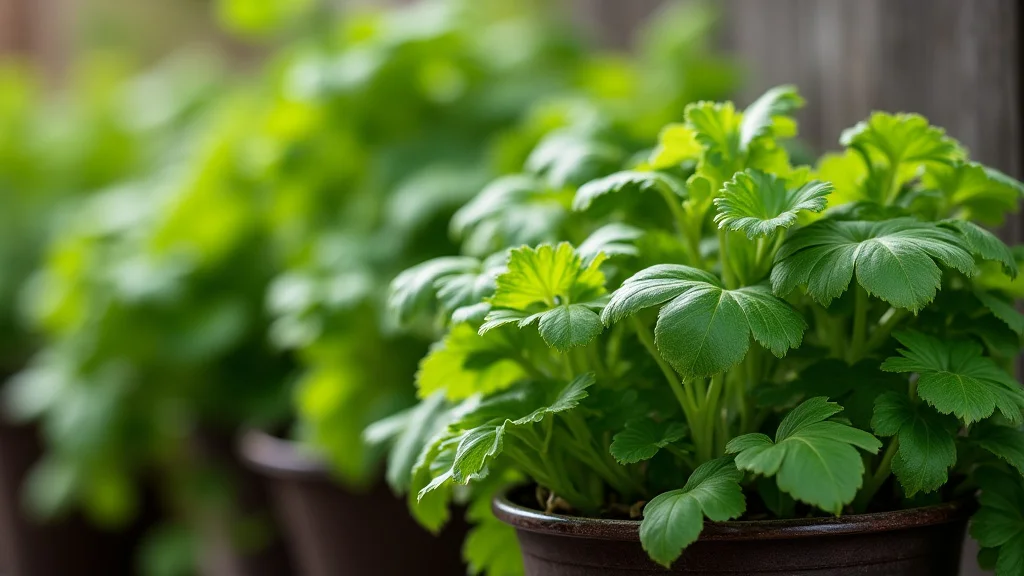
My tomato plants were a disaster last summer. Despite my best efforts, they barely produced a single ripe tomato! Sound familiar? I spent hours researching, poring over gardening guides, and feeling utterly defeated. Then I discovered some simple diy gardening tips and tricks that completely transformed my approach, yielding a bountiful harvest. This post is your guide to experiencing the joy of a thriving garden, offering practical advice and inspiration for all levels of experience. You’ll learn how to overcome common gardening challenges, and discover ways to create a beautiful and productive outdoor space. Prepare to boost your knowledge and increase your gardening success!
Key Takeaways
- Learn easy diy gardening tips and tricks for preparing your soil.
- Discover effective techniques for choosing the right plants for your space.
- Master simple methods for watering and fertilizing your garden.
- Explore creative strategies for controlling pests and diseases naturally.
- Find ideas for constructing cost-effective garden structures.
- Gain confidence to enjoy fresh produce and beautiful blooms.
Planning Your Garden with DIY Gardening Tips and Tricks
Before you even think about planting, a solid plan is essential. Thinking through the details early will save you time and headaches later. This involves assessing your space, choosing plants suitable for your climate and preferences, and setting up the foundations for success. Consider factors like sunlight, soil quality, and water access. Creating a well-thought-out plan will give you a clear roadmap to follow, helping you avoid mistakes and achieve the garden of your dreams.
Assessing Your Space
Start by observing your outdoor area. How much sunlight does it receive? Most vegetables need at least six hours of direct sunlight daily to produce well. Is your space exposed to strong winds? This can damage plants, so you may need to provide some protection. Note where the sun rises and sets to identify areas that receive the most and least light. Observe your property and the amount of sunlight during different parts of the day. A simple observation will reveal the best spots for growing your plants and help you in planning. Also, consider the accessibility of water sources. You’ll need easy access to a hose or watering can for regular irrigation.
- Sunlight Analysis: Observe how much sun each area receives throughout the day. This helps determine which plants will thrive. For example, some vegetables thrive with six or more hours of direct sun per day.
- Wind Exposure: Note areas prone to strong winds, which can damage plants. Consider windbreaks, like fences or strategically planted shrubs, to protect your garden.
- Soil Drainage: Check how well the soil drains after a rain. Poor drainage can lead to root rot.
- Space Measurement: Measure your garden area. Consider the size of different plants when they are fully grown to avoid overcrowding.
You can use this data to sketch out a basic garden layout. Mark the sunny areas, wind-prone zones, and existing features like trees or structures. This initial assessment provides the foundation for your garden plan, giving a sense of the challenges and opportunities.
Selecting the Right Plants
Choosing the right plants will significantly improve your chances of success. It’s important to select plants that thrive in your local climate and match the conditions of your garden. Consider your zone’s hardiness, sunlight availability, and soil type. Research the plants you are considering to ensure they suit your preferences for taste, visual appeal, and ease of care. Make a list of plants suited to your conditions, and consider a diverse range of crops.
- Hardiness Zones: Research your local hardiness zone to select plants that can tolerate your region’s winter temperatures.
- Sunlight Needs: Match the plant’s sunlight requirements to the amount of sunlight your garden receives.
- Soil Preference: Some plants need well-draining soil, while others prefer more moisture. Test your soil and choose plants accordingly.
- Personal Preference: Grow what you enjoy eating or find aesthetically pleasing. Consider the size, color, and texture of plants to create a visually appealing garden.
Here’s an example of how you might approach selecting plants: If you live in a warm, sunny climate (like zone 9), you could grow tomatoes, peppers, and basil. If you have a shady area, consider lettuce, spinach, and herbs like mint. By choosing plants that complement your conditions, you’ll set your garden up for success.
Soil Preparation Essentials
Healthy soil is the cornerstone of any thriving garden. The right soil provides the nutrients and structure plants require to flourish. Before planting, enhance the soil with organic matter. This improves drainage, retains moisture, and provides vital nutrients. Testing your soil will determine its pH and nutrient levels, allowing you to make adjustments. Improving your soil before planting will lead to healthier plants and a better harvest.
- Soil Testing: Conduct a soil test to determine the pH and nutrient levels. This informs you of your soil’s composition.
- Adding Organic Matter: Incorporate compost, well-rotted manure, or other organic materials. This improves soil structure and nutrient content.
- Tilling or Turning: Prepare the soil by tilling or turning it to a depth of about 6-12 inches.
- Leveling the Surface: Rake the soil to create a smooth, even surface. This makes it easier to plant and maintain.
Consider the use of a soil amendment like compost or aged manure. Organic matter helps improve soil structure, increasing water retention and drainage, depending on the need. Aim to incorporate about 2-4 inches of organic matter into your soil. This simple diy gardening tips and tricks practice will make a significant impact on your plants’ health and productivity.
Essential DIY Gardening Tips and Tricks for Planting and Watering
Once you’ve planned and prepped, it’s time to get your hands dirty. Proper planting techniques and watering methods are key to success. This section outlines essential practices for setting up your plants, from preparing the planting beds to watering effectively. Following these guidelines will promote healthy growth and provide the foundation for a flourishing garden. Focus on creating a supportive environment for your plants right from the start. This builds the best conditions for a good harvest and vibrant display.
Proper Planting Techniques
Planting your seedlings or seeds correctly will significantly impact their growth and development. Follow specific planting guidelines for each type of plant, considering depth, spacing, and timing. These small details make a big difference, creating a conducive environment for root growth and overall plant health. Correct planting sets the plants up for success from the beginning, ensuring they can establish themselves and thrive. Proper planting practices reduce stress and give your plants the best start.
- Seed Starting: Start seeds indoors a few weeks before the last expected frost. Use seed-starting mix in small pots or trays.
- Transplanting: When seedlings are ready, harden them off by gradually exposing them to outdoor conditions.
- Planting Depth: Plant seeds or seedlings at the appropriate depth. Too deep, and they might struggle to emerge; too shallow, and the roots may dry out.
- Spacing: Space plants according to their mature size. Overcrowding can lead to poor air circulation and increased disease.
When transplanting seedlings, gently remove them from their containers, loosen any circling roots, and plant them in the ground at the same depth they were in the pots. Water thoroughly after planting. Spacing, for instance, is critical. Following plant spacing recommendations prevents overcrowding. This ensures adequate air circulation and reduces the spread of diseases.
Watering Techniques
Watering is among the most important aspects of plant care. Correct watering practices provide plants with the moisture they need for growth and survival. The frequency and method of watering depend on the plant type, weather conditions, and soil drainage. Avoid overwatering or underwatering, as both can be detrimental to plant health. Efficient watering techniques save water and help create a productive garden.
- Watering Frequency: Water deeply but less frequently, allowing the soil to dry slightly between waterings.
- Best Time: Water in the morning to allow the foliage to dry during the day, reducing the risk of fungal diseases.
- Watering Methods: Use a soaker hose or drip irrigation system to water directly at the roots, or a watering can.
- Check the Soil: Insert your finger into the soil to check the moisture level before watering.
A simple test to determine if you need to water: stick your finger about an inch into the soil. If it feels dry, it’s time to water. Soaker hoses and drip irrigation systems deliver water directly to the roots. They are an efficient alternative to overhead sprinklers. They help save water, reduce foliage diseases, and promote healthier plant growth. Also, consider mulching around your plants to help retain moisture in the soil.
Fertilizing Your Garden
Providing the right nutrients is vital for plant health and productivity. Fertilizers supply essential elements that plants need for growth, flowering, and fruiting. Choose the right type of fertilizer based on the plant’s needs and the soil’s condition. Using the right techniques can help you achieve thriving plants and a bountiful harvest. Regular fertilization, according to your plants’ requirements, helps promote robust growth and high yields.
- Soil Testing: Before you start, test your soil to identify nutrient deficiencies.
- Fertilizer Types: Use fertilizers appropriate for your plants, such as balanced fertilizers (like 10-10-10) or those formulated for specific plant types.
- Fertilizing Methods: Apply fertilizers according to the product instructions. You can use granular fertilizers, liquid fertilizers, or slow-release options.
- Timing: Fertilize plants during their growing season, usually in spring and summer.
For example, if you grow tomatoes, you might consider using a fertilizer that is high in phosphorus and potassium. These nutrients promote fruit production. Use granular fertilizer and spread it around the base of the plant. Water in well to help it reach the roots. Make sure to follow the package directions. Over-fertilizing can damage plants, so proper application is key.
DIY Pest Control and Maintenance Strategies
Protecting your garden from pests and diseases is essential for maintaining plant health and a productive harvest. Implementing preventative measures and employing natural control methods will keep your plants healthy. Regular maintenance, including pruning and weeding, will contribute to a more organized and thriving garden. Preventative measures will reduce the need for more complex interventions and create a more enjoyable gardening experience.
Natural Pest Control Methods
Controlling pests without using synthetic chemicals is a safe, environmentally friendly approach. Using natural methods will protect your plants while maintaining a healthy ecosystem in your garden. There are a variety of methods to reduce pest populations, promoting plant health and biodiversity. Employing natural pest control will lead to a healthier garden that is safer for you, beneficial insects, and other wildlife.
- Handpicking Pests: Regularly inspect your plants and remove pests like caterpillars or squash bugs by hand.
- Companion Planting: Plant herbs or flowers that deter pests. For instance, plant marigolds to repel nematodes or basil near tomatoes to deter tomato hornworms.
- Insecticidal Soap and Horticultural Oil: Use these natural sprays to control aphids, spider mites, and other soft-bodied insects.
- Introduce Beneficial Insects: Attract beneficial insects like ladybugs, lacewings, and parasitic wasps, which feed on harmful pests.
For example, you could release ladybugs into your garden to control aphid populations. Use insecticidal soap to spray infested plants. Companion planting involves strategic use of plants to deter pests naturally. Using these methods will help you prevent and manage pest problems in your garden.
Disease Prevention and Treatment
Preventing diseases is much easier than treating them. Taking steps to keep your plants healthy and resistant to pathogens will reduce disease incidence and protect your harvest. Regular garden maintenance, good air circulation, and proper watering techniques all contribute to disease prevention. Early detection and prompt treatment are key to minimizing damage if a disease does occur.
- Plant Resistant Varieties: Select plant varieties known for their resistance to common diseases in your area.
- Air Circulation: Space plants adequately to promote good air circulation, which helps prevent fungal diseases.
- Watering Practices: Water plants at the base to avoid wetting the foliage, which can encourage fungal diseases.
- Fungicides: Use organic fungicides like neem oil or copper-based sprays if diseases occur.
If you see signs of disease, such as spots on leaves or wilting, remove affected plant parts immediately. Dispose of infected foliage and sterilize tools to prevent the spread of disease. Consider an organic fungicide when diseases become an issue. Implementing these strategies will protect your plants and safeguard your garden.
Pruning and Weeding
Pruning and weeding contribute to plant health and garden aesthetics. Regular pruning improves air circulation, promotes fruit or flower production, and keeps plants in good shape. Removing weeds prevents them from competing with your plants for resources. Careful maintenance enhances the overall beauty and productivity of your garden.
- Pruning: Prune plants regularly to remove dead or diseased branches, improve air circulation, and promote new growth.
- Weeding: Regularly remove weeds to prevent competition for nutrients, water, and sunlight.
- Mulching: Use mulch to suppress weeds, retain moisture, and regulate soil temperature.
- Tool Sterilization: Clean and sterilize your pruning shears and other tools to prevent the spread of diseases.
Mulch helps suppress weeds and conserves moisture. This can reduce the time you spend weeding. Regularly check your plants and address any issues. Pruning helps maintain plant shape and prevents diseases. Pruning is also essential for improving fruit production in many plants. Combining these practices ensures the health, vitality, and beauty of your garden.
Creative DIY Gardening Structures
Adding structures to your garden not only enhances its aesthetic appeal but also provides essential support and functionality for your plants. Building your own garden structures is a cost-effective way to customize your outdoor space. You can use various materials and design elements to create a functional and visually appealing garden. These structures provide support for climbing plants, protection from the elements, and create visual interest in your garden.
Building Raised Beds
Raised garden beds offer many advantages, including improved soil drainage, easier access, and reduced weeding efforts. Constructing raised beds allows you to control the soil composition and extend your growing season. These diy gardening tips and tricks allow you to grow a wide variety of plants in a more efficient and visually appealing manner. Constructing raised beds will improve your garden’s functionality and aesthetic appeal.
- Material Selection: Choose durable materials like wood (untreated cedar or redwood), concrete blocks, or composite lumber.
- Size and Dimensions: Design your beds according to your space, but keep them accessible for planting and maintenance. Typically, raised beds are 10 to 12 inches deep, though the depth can vary based on your soil.
- Construction: Cut your chosen material to the required size, assemble the sides using screws or other fasteners, and place the beds in the desired location.
- Soil Filling: Fill the beds with a nutrient-rich soil mix, and add compost to improve its quality.
For example, you can build rectangular raised beds using untreated cedar planks. You could make the beds approximately 4 feet wide and 8 feet long to optimize space. Use corner brackets to secure the planks. Add landscape fabric to the bottom of the beds to prevent weeds. Fill the beds with a mixture of topsoil, compost, and other soil amendments. Adding raised beds will help you grow a wider variety of plants, and it will give you a healthier and more productive growing space.
Creating Trellises and Support Structures
Trellises and other support structures are essential for climbing plants, providing vertical space and improving air circulation. Constructing these structures will promote healthy growth and yield better results. Trellises, arbors, and other structures add visual interest and help you maximize the use of your garden space. These DIY structures can be tailored to match the unique needs of your plants and aesthetic preferences.
- Trellis Materials: Use materials like wood, bamboo, metal, or twine to build trellises.
- Design Ideas: Create simple A-frame trellises, vertical string trellises, or arched structures.
- Construction: Build the frames or supports and then attach vertical or horizontal elements for plants to climb.
- Plant Selection: Choose climbing plants like beans, cucumbers, tomatoes, or ornamental vines that benefit from support structures.
For instance, construct a simple A-frame trellis by using two wooden posts joined at the top. Secure several horizontal wooden slats to support the climbing plants. Plant pole beans at the base of the trellis. As the plants grow, they will naturally climb the structure. Trellises offer practical support and add an attractive feature to your garden. Building trellises is a simple way to maximize garden space and improve your plant’s growth.
DIY Composting Solutions
Composting is a cost-effective way to recycle organic waste and enrich your garden soil. Constructing a compost bin at home allows you to create your own nutrient-rich compost from kitchen scraps, yard waste, and other organic materials. This sustainable practice reduces waste and provides an essential soil amendment. Composting is an important diy gardening tips and tricks element for creating a healthy and productive garden.
- Bin Types: Construct simple open compost piles or build more organized bins from wood, wire mesh, or plastic containers.
- Material Collection: Collect kitchen scraps (vegetable and fruit scraps, coffee grounds), yard waste (leaves, grass clippings), and other organic materials.
- Composting Process: Layer brown (carbon-rich) and green (nitrogen-rich) materials, keep the pile moist, and turn it periodically to promote decomposition.
- Compost Use: Use the finished compost to enrich your soil and improve plant growth.
You can create a simple compost bin using wooden pallets. Assemble the pallets to form a box. This provides a containment structure for the composting process. Add kitchen scraps, yard waste, and other organic materials. Mix the compost pile regularly to promote aeration and decomposition. After a few months, the compost will be ready to use in your garden. Composting is a sustainable and valuable practice. It also helps you produce nutrient-rich soil for your garden.
Common Myths Debunked
Myth 1: Gardening is too difficult for beginners.
Many people believe that gardening is a complex endeavor that requires years of experience. The truth is that gardening can be a simple and enjoyable hobby, even for beginners. Start with easy-to-grow plants, such as herbs or vegetables. Research your chosen plants, and follow the basic guidelines for planting, watering, and maintenance. There are many online resources and local gardening groups to provide support and guidance. Begin small, experiment, and learn from your experiences. By gradually expanding your knowledge and experience, you can build confidence and enjoy the process. Starting slowly allows you to build skills.
Myth 2: You need a big yard to have a garden.
People often assume that gardening requires a large outdoor space. Many diy gardening tips and tricks work just as well in small spaces. You can garden in containers, on balconies, patios, or even indoors. Consider vertical gardening techniques like hanging baskets or stacked planters to maximize space. Small gardens can be highly productive and rewarding, providing fresh herbs, vegetables, and flowers. Choose plants that suit your space and growing conditions. By being innovative, you can create a thriving garden regardless of your yard size. This can make gardening accessible and enjoyable.
Myth 3: All pests and diseases require chemical treatments.
The use of chemical pesticides and herbicides is thought to be necessary for controlling pests and diseases. However, there are many natural and organic alternatives that are just as effective, while also being safer for the environment, your family, and beneficial insects. Encourage beneficial insects that prey on pests. Use natural repellents, and ensure the correct spacing between plants, promoting airflow. These techniques help to reduce the reliance on synthetic chemicals. Natural methods are available and contribute to a healthier ecosystem. Consider the environmental impact when controlling pests.
Myth 4: Gardening is too time-consuming.
Many believe that gardening is a time-intensive activity that demands constant effort. This is not necessarily the case. While some gardening tasks require time and energy, a well-planned garden can be surprisingly low-maintenance. Select plants that are low-maintenance and suited to your climate. Invest in efficient watering systems like soaker hoses or drip irrigation. Mulch your garden beds to suppress weeds. By making strategic choices and developing efficient systems, you can minimize the time spent on gardening tasks. Gardening can become a relaxing and enjoyable hobby.
Myth 5: You need expensive equipment to start gardening.
It is commonly believed that gardening requires a large investment in equipment and tools. The truth is that you can start gardening with very basic, inexpensive tools. You can use hand tools like a trowel, a hand fork, a watering can, and a pair of gloves. Consider borrowing tools or purchasing used equipment. Many everyday items can be repurposed for gardening tasks, such as plastic containers or recycled pots. Focus on essential tools that meet your needs. You can begin gardening affordably and gradually acquire more equipment as you develop. You don’t need to spend much to enjoy the hobby.
Frequently Asked Questions
Question: What are the best plants for beginners?
Answer: Easy-to-grow plants include herbs like basil, mint, and chives, vegetables like lettuce, radishes, and bush beans, and flowers like marigolds and zinnias.
Question: How often should I water my plants?
Answer: Water deeply but less frequently. Check the soil moisture by inserting your finger about an inch deep. Water when the soil feels dry to the touch.
Question: How do I know if my soil needs fertilizer?
Answer: Look for signs of nutrient deficiencies, such as yellowing leaves or stunted growth. A soil test will give you the most accurate assessment of your soil’s nutrient levels.
Question: How can I control pests naturally?
Answer: Use companion planting, handpick pests, introduce beneficial insects, and apply insecticidal soap or horticultural oil. These are great diy gardening tips and tricks for controlling pests naturally.
Question: What are the benefits of composting?
Answer: Composting reduces waste, enriches soil, improves water retention, and provides essential nutrients for plants.
Final Thoughts
Gardening can be a wonderful hobby with so many benefits. By applying some simple diy gardening tips and tricks, you can transform your space into a place for growth. From planning your layout, preparing your soil, and choosing the right plants to watering effectively, controlling pests naturally, and constructing simple structures, you’ve discovered the key steps. Remember that patience, observation, and continuous learning are your greatest assets. Take the information shared, start small, and experiment. Each step toward a healthy garden brings joy. With a little effort and knowledge, you can create a beautiful and productive garden, a place to relax, and enjoy the beauty of nature. Embrace the journey and watch your garden flourish.