Cost of Premium Gardening Tools and Tips Explained
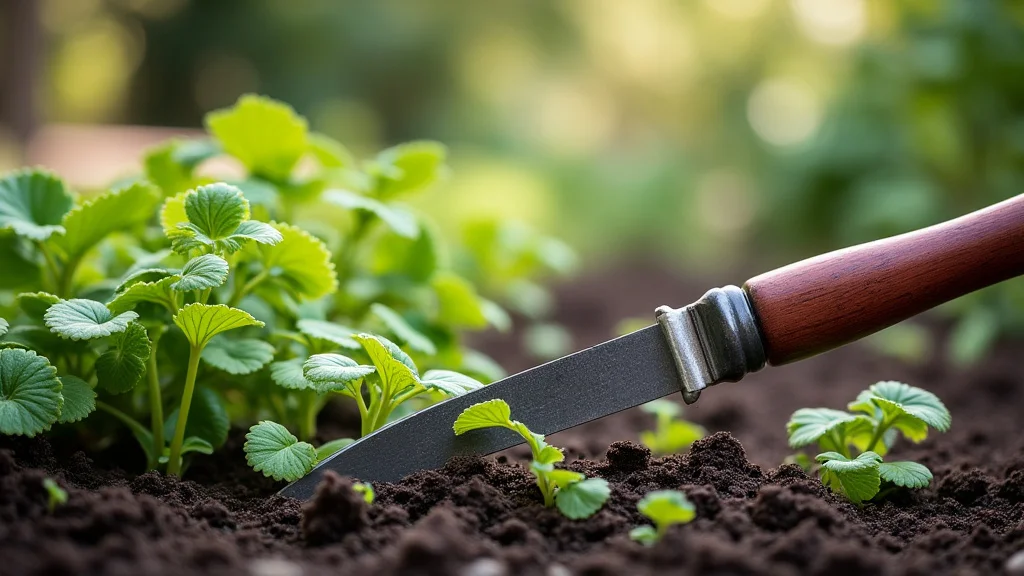
Picture this: you’re dreaming of a lush garden, overflowing with vibrant blooms and plump vegetables. You start researching, and suddenly, you’re faced with a dizzying array of gardening tools. The cost of premium gardening tools and tips can seem intimidating at first. You might wonder if those shiny, expensive tools are truly necessary, or if you can achieve your gardening goals without breaking the bank. This post will explore the cost of premium gardening tools and tips, helping you make informed decisions and get the most out of your gardening experience. You’ll learn how to prioritize your spending, find cost-effective solutions, and choose the right tools for your specific needs, increasing your time on page and making your gardening experience more enjoyable.
Key Takeaways
- Understand the factors that influence the cost of premium gardening tools and tips.
- Learn to identify essential tools and distinguish them from unnecessary ones.
- Discover cost-saving strategies for acquiring quality gardening equipment.
- Explore the benefits and drawbacks of investing in high-end tools.
- Get tips on choosing tools based on your gardening style and needs.
- Find resources and guides to help you make informed purchasing decisions.
Deciphering the Expenses: What Drives Tool Costs
The price tags on gardening tools can vary wildly, from a few dollars for a trowel to hundreds for specialized equipment. Several factors contribute to these fluctuating costs. Material quality is a primary driver; tools made from durable, weather-resistant materials like stainless steel or high-carbon steel will naturally cost more than those made from plastic or lower-grade metals. Consider where and how often you will be using your gardening tools. The tools you use to plant a small vegetable garden, will not be the same tools needed to run a commercial landscape.
Material Matters: Steel, Wood, and Plastics
The materials used in a tool’s construction significantly impact its price and longevity. Steel, particularly stainless steel and high-carbon steel, is prized for its strength, resistance to rust, and ability to hold a sharp edge. These qualities translate to tools that can withstand heavy use and last for years. Wood handles, often made from hardwoods like ash or hickory, provide a comfortable grip and absorb shock, but they can be susceptible to weathering and require periodic maintenance. Plastic tools are generally more affordable, but their durability varies greatly depending on the type of plastic and the tool’s design. Plastic is often a great choice for lightweight options, such as for children and seniors.
- Stainless Steel: This alloy contains chromium, giving it excellent corrosion resistance. Tools made from stainless steel are ideal for wet environments and heavy use. Example: A stainless-steel trowel could cost $25 to $40, while a cheaper plastic trowel might be $5 to $10.
- High-Carbon Steel: Known for its strength and ability to hold a sharp edge. High-carbon steel tools are commonly used for cutting and digging. Example: A high-carbon steel digging fork might be $75 to $125.
- Hardwood Handles: Ash, hickory, and other hardwoods are valued for their strength, shock absorption, and comfortable grip. These handles often increase the tool’s overall price. Example: A garden hoe with an ash handle can cost $30 to $50.
- Plastic: Lightweight and generally inexpensive. The quality of plastic varies greatly. Example: A plastic watering can might cost $10 to $20, while a heavy-duty plastic wheelbarrow could be $50 to $100.
The choice of material will depend on the tool’s intended use and the gardener’s budget. Tools used frequently or for heavy-duty tasks warrant the investment in higher-quality materials. Consider where and how often you will be using your gardening tools. The tools you use to plant a small vegetable garden, will not be the same tools needed to run a commercial landscape.
Craftsmanship and Design: The Impact on Price
The level of craftsmanship and the design of a gardening tool also impact its cost. Tools made by skilled artisans often command a higher price than mass-produced items. These handcrafted tools often feature superior materials, meticulous construction, and ergonomic designs that enhance both performance and user comfort. Design innovations, such as tools with adjustable features or specialized functions, can also increase the price. A well-designed tool will usually make gardening a more comfortable activity. For example, a tool with a curved handle might reduce strain on the user’s wrist. Some premium tools have lifetime warranties, which adds value and suggests confidence in the product’s longevity.
- Handcrafted Tools: Often made with superior materials and attention to detail, they represent quality and durability.
- Ergonomic Design: Tools designed to reduce strain and improve comfort can justify a higher price.
- Specialized Features: Tools with adjustable features or unique functions may be more expensive but offer added value for specific tasks.
- Brand Reputation: Established brands with a reputation for quality may charge a premium.
The design of the tool matters. Well-designed tools are more comfortable to use, more effective, and often safer. Ergonomic handles, balanced designs, and sharp blades can make a significant difference in the gardening experience. Consider whether you need a specialized tool, or if a general-purpose tool will suffice. Sometimes paying extra for quality is worth it, but be careful of marketing schemes. When choosing tools, consider your body type. Smaller people may prefer a lighter tool.
Brand Name and Marketing Influence
Brand recognition and marketing efforts can also inflate the cost of gardening tools. Well-known brands often invest heavily in advertising and have established distribution networks, which contribute to higher prices. Marketing campaigns highlighting features and benefits can also drive up costs. The perceived value of a brand’s products can impact what the consumer is willing to pay. For example, a trowel from a well-established brand might cost $30, while a comparable trowel from a lesser-known brand might be $15. Sometimes brand name and marketing influence will drive the cost up, but there is value in buying from a trusted brand that can provide product support.
- Established Brands: Well-known brands often invest heavily in marketing and have established distribution networks.
- Marketing Efforts: Advertising campaigns and promotions can influence pricing and perceived value.
- Perceived Value: Brand reputation and consumer trust can affect what people are willing to pay.
- Premium Pricing: Some brands position themselves as luxury products, commanding premium prices.
While the brand name isn’t always indicative of the tool’s quality, it can provide some assurance of reliability and customer service. Read product reviews before purchasing. Consider whether you need all the features the tool offers. Sometimes paying extra for quality is worth it, but be careful of marketing schemes. When choosing tools, consider your body type. Smaller people may prefer a lighter tool.
Essential vs. Non-Essential Gardening Tools
One of the keys to managing the cost of premium gardening tools and tips is distinguishing between essential and non-essential items. Many tools are truly necessary for basic gardening tasks, while others are more specialized or can be
The Must-Haves: Core Gardening Equipment
Several tools are indispensable for any gardener, regardless of the size or type of garden. These core tools form the foundation of your toolkit and are used for a variety of tasks, from soil preparation to planting and maintenance. Investing in good-quality versions of these tools is typically a good idea, as they will be used frequently and can significantly impact your gardening success. They will be more durable and can make gardening easier. Don’t be afraid to add to your list later, when you have had a chance to work with your garden and realize what tools will make the work easier.
- Trowel: Used for planting small plants, transplanting seedlings, and digging in tight spaces. Choose a trowel with a sturdy blade and comfortable handle.
- Hand Rake: Perfect for leveling soil, removing debris, and preparing seedbeds. Look for a rake with strong tines and a comfortable grip.
- Hand Fork: Useful for loosening soil, mixing in compost, and weeding. A sturdy fork with durable tines is essential.
- Garden Fork: For turning soil, breaking up clumps, and preparing beds. Choose a fork with a solid handle and strong tines.
- Spade: Used for digging, edging, and moving soil. A well-balanced spade with a sharp blade is important.
- Watering Can or Hose: Essential for providing water to plants. A watering can is good for small areas. A hose with a nozzle allows for precision watering.
Investing in good-quality versions of these tools is typically a good idea, as they will be used frequently and can significantly impact your gardening success. These tools will be more durable and can make gardening easier. Don’t be afraid to add to your list later, when you have had a chance to work with your garden and realize what tools will make the work easier.
Tools That Might Be Nice, But Aren’t Always Necessary
While the core tools are essential, other items can be considered luxuries. These are useful for specific tasks or offer increased convenience, but aren’t always a must-have for the casual gardener. Whether you invest in these will depend on your gardening style, the size of your garden, and your budget. You can always add these later, once you’re more experienced.
- Wheelbarrow: Useful for transporting soil, compost, and other materials. A wheelbarrow makes moving material easier.
- Pruning Shears/Secateurs: For trimming small branches and stems. Sharp blades make pruning easier.
- Loppers: Used for cutting thicker branches. Loppers are essential for pruning shrubs.
- Hedge Shears: Ideal for shaping hedges and shrubs. They can speed up trimming.
- Soil Testing Kit: To analyze soil composition. Soil testing informs decisions about fertilization and soil amendments.
- Weeders: Useful for removing weeds. A variety of weeder designs are available.
Whether you invest in these will depend on your gardening style, the size of your garden, and your budget. You can always add these later, once you’re more experienced. Consider whether you need a specialized tool, or if a general-purpose tool will suffice. Sometimes paying extra for quality is worth it, but be careful of marketing schemes.
Strategies for Smart Tool Acquisition
Keeping the cost of premium gardening tools and tips down is possible by using several strategies. By shopping around, considering used options, and prioritizing your needs, you can build a quality toolkit without overspending. Patience and careful planning can make a significant difference. You can also explore alternatives or DIY solutions for specific gardening tasks. Building your toolkit carefully will allow you to get the equipment you need while staying within budget.
Shopping Around and Comparing Prices
Comparison shopping is crucial for saving money on gardening tools. Prices can vary significantly between different retailers, so it’s worth taking the time to research your options. Compare prices from local nurseries, home improvement stores, online retailers, and specialty gardening shops. Don’t limit yourself to buying from one place. Watch for sales, discounts, and promotions. Some retailers offer seasonal sales or clearance events, which can be an excellent opportunity to find tools at reduced prices.
- Online Retailers: Check prices on Amazon, eBay, and other online stores.
- Local Nurseries: These shops sometimes offer high-quality tools and expert advice.
- Home Improvement Stores: Big box stores like Home Depot and Lowe’s often have a wide selection.
- Specialty Gardening Shops: These stores may have a more curated selection of high-quality tools.
- Sales and Discounts: Watch for seasonal sales and clearance events.
Reading reviews and comparing features can help you make informed decisions. Consider the tool’s intended use, its durability, and any special features. Make sure you compare the same tools. Keep in mind that the best price doesn’t always mean the best value. Look for tools that balance price and quality. Before buying any gardening tools, be sure to read the return policy. Most vendors have return policies, but some are more flexible than others.
Exploring Used Tools and Refurbished Options
Buying used or refurbished gardening tools is a great way to save money without sacrificing quality. Tools that are gently used or well-maintained can provide excellent value. Check local garage sales, online marketplaces like Craigslist or Facebook Marketplace, and second-hand stores for used tools. Some retailers also offer certified refurbished tools, which have been inspected, repaired, and reconditioned to like-new condition. Remember to inspect used tools carefully before purchasing. Look for signs of wear and tear, rust, and damage. Check moving parts to ensure they function properly.
- Garage Sales: A good source of inexpensive, lightly used tools.
- Online Marketplaces: Platforms such as Craigslist and Facebook Marketplace can provide access to a wide selection of used tools.
- Second-Hand Stores: Check thrift stores and consignment shops for deals.
- Refurbished Tools: Retailers may offer certified, reconditioned tools.
- Tool Libraries: Consider joining a tool library or borrowing from friends.
If you’re buying a used tool, ask the seller about its history and how it was used. Check moving parts to ensure they function properly. If possible, test the tool before you buy it. Refurbished tools offer a good balance of value and quality. Purchasing used tools can sometimes be a fun activity, since you may meet other gardeners in your area. Refurbished tools can be an excellent way to reduce your cost of premium gardening tools and tips.
Prioritizing Needs and Building Gradually
One of the best ways to manage the cost of premium gardening tools and tips is to prioritize your needs and build your toolkit gradually. Start with the essential tools and add more specialized equipment as your gardening experience grows and your needs evolve. Don’t feel pressured to buy everything at once. This approach allows you to spread out your expenses over time, and it gives you a chance to learn more about your gardening style and what tools you’ll find most useful. You can see how the garden is used before investing in specialized tools.
- Start with the Essentials: Focus on the core tools you’ll need for basic tasks.
- Assess Your Needs: Determine the size of your garden and the types of plants you plan to grow.
- Add Gradually: As you become more experienced, you’ll know what extra tools are needed.
- Consider Multi-Purpose Tools: Look for tools that can perform multiple functions.
- Rent Tools: Consider renting specialized tools if you only need them occasionally.
As you gain experience, you’ll have a better idea of what tools will be most beneficial. Consider multi-purpose tools that can perform several tasks. Rent specialized tools if you only need them for a single project. Ask other gardeners what tools they use and like. Be sure to carefully consider all of your options. Sometimes you can borrow tools from friends, and return the favor. Keep a list of the tools you want, and buy them as you can afford them. By building your collection over time, you can stay within budget.
The Value of Investing in High-End Tools
Investing in higher-quality gardening tools can offer several benefits. While the initial cost of premium gardening tools and tips may be higher, the long-term value can be significant. High-end tools are often made from superior materials, with better craftsmanship, leading to greater durability and performance. Consider the potential for a longer lifespan, improved comfort, and enhanced gardening results. Consider the time you spend using your tools. Does the tool make gardening more enjoyable, or more difficult?
Durability and Longevity: A Long-Term Investment
High-end gardening tools are often designed to last, thanks to the use of high-quality materials and superior construction. These tools can withstand the rigors of heavy use and harsh weather conditions, meaning they won’t need to be
- Superior Materials: High-quality tools are often made from stronger, more durable materials.
- Better Construction: High-end tools typically feature more precise construction techniques.
- Rust Resistance: Premium tools resist rust and corrosion better than cheaper tools.
- Warranty: Many premium tools include a warranty.
The durability of premium tools can make a significant difference. Consider the materials used, the construction quality, and the overall design. When choosing a tool, think about how often you will use it. If you plan to use it often, you may want to invest in a higher-quality tool. Consider whether you need a specialized tool, or if a general-purpose tool will suffice. Sometimes paying extra for quality is worth it, but be careful of marketing schemes. When choosing tools, consider your body type. Smaller people may prefer a lighter tool.
Improved Performance and Efficiency
High-end gardening tools are often designed to enhance performance and make gardening tasks more efficient. Features like ergonomic handles, sharp blades, and balanced designs can reduce strain, improve accuracy, and speed up the gardening process. For example, a well-designed pruning shear can make it easier to make clean cuts, reducing the risk of disease and promoting healthy growth. Efficient tools save you time and effort. Using a tool that is specifically designed for the task at hand will usually give you the best results. A well-designed tool is easier to use.
- Ergonomic Design: Handles and designs that reduce strain and improve comfort.
- Sharp Blades: Easier cutting and pruning, healthier plants.
- Balanced Design: Easier handling and control.
- Specialized Features: Tools specifically designed for particular tasks.
If you’re serious about gardening, high-end tools can make a significant difference in your results. The extra expense can be worthwhile. The quality of a tool can also determine how effective it is. By choosing tools that are designed to do the job, you will spend less time and effort on the task. High-end tools are often designed to be easier to use and more comfortable. For instance, a quality shovel will be easier to use and less likely to cause back pain. High-end tools can improve the overall experience.
Comfort and User Experience
Comfort and user experience are essential considerations when it comes to gardening tools. High-end tools are often designed with ergonomics in mind, featuring comfortable grips, balanced designs, and other features that reduce strain and fatigue. These features can make gardening more enjoyable and prevent injuries. For example, a tool with a cushioned grip can reduce stress on your hands, allowing you to garden for longer periods without discomfort. A comfortable tool makes gardening more enjoyable. Comfortable and well-designed tools can prevent aches and pains. This translates to an overall better experience. These benefits contribute to a more positive gardening experience.
- Ergonomic Handles: Reduce strain and improve comfort.
- Balanced Design: Easier to handle and control.
- Cushioned Grips: Reduce stress on hands and fingers.
- Overall User Experience: Make gardening more enjoyable and prevent injuries.
When selecting tools, look for features that promote comfort. If you plan to spend a lot of time in the garden, investing in tools with comfortable grips is a good idea. Ergonomic designs, like curved handles and cushioned grips, can reduce strain and make gardening more pleasant. A comfortable tool means you can work in your garden for longer. You will also be less likely to experience aches and pains. The user experience is essential, and good tools can make gardening enjoyable. Remember to select the right tool for the task. The tool should fit your body, so you can work comfortably. These tools will likely require little maintenance.
Choosing the Right Tools for Your Gardening Style
The best tools for your garden depend on your gardening style, the size of your garden, and the types of plants you grow. Whether you’re a casual hobbyist or a dedicated enthusiast, selecting the right tools can make all the difference. Tailoring your tool selection to your specific needs is a great way to control the cost of premium gardening tools and tips. Buying only what you need is a great start. Selecting the right tools for your space is a great start.
For the Small-Space Gardener
If you have a small garden or a balcony, you’ll need tools that are compact, versatile, and easy to store. Multi-purpose tools are particularly useful in small spaces, as they can perform several functions and reduce the need for multiple tools. Look for lightweight tools that are easy to maneuver. A small garden may mean that specialized tools are not needed. You may also want to consider tools with extendable handles, for tasks such as pruning or weeding. This will let you reach difficult spots.
- Trowel: Essential for planting and transplanting.
- Hand Rake: Ideal for small spaces.
- Hand Fork: Excellent for loosening soil and weeding.
- Watering Can: Compact and easy to use.
- Pruning Shears: For trimming and shaping plants.
When selecting tools, look for those that are lightweight and easy to store. Multi-purpose tools are particularly useful in small spaces. A quality trowel and hand fork can handle most of your needs. Make sure your tools are well-maintained. The right tools can make gardening in a small space efficient and enjoyable. Consider the size and nature of the plants you are growing. The best tools are the ones that are right for your situation. Consider how you will store your tools, when deciding which ones to buy.
For the Vegetable Gardener
Vegetable gardens often require specialized tools for planting, weeding, and harvesting. Tools that are designed for soil preparation, such as a garden fork or broadfork, can be essential for creating a healthy growing environment. Sharp tools for harvesting are a must. A wheelbarrow is a good investment for moving soil and compost. The right tools can make growing your own vegetables much easier. Growing vegetables can be a very rewarding activity, and having the right tools can help.
- Garden Fork or Broadfork: For turning soil and preparing beds.
- Hoe: For weeding and soil cultivation.
- Wheelbarrow: For transporting soil, compost, and harvested vegetables.
- Harvesting Knife: For cutting vegetables.
- Watering System: Irrigation system or soaker hoses.
A well-maintained and fertile garden is essential for vegetable gardening. Choose tools that will make it easier to work in the garden. For example, a quality wheelbarrow will make moving soil and compost easier. Consider the size of your vegetable garden when selecting tools. The right tools will help you maximize your yield. Make sure you keep your tools clean and in good repair. The best tools will vary according to the type of vegetable garden you have. If you have raised beds, you may not need tools like a garden fork.
For the Flower Enthusiast
Flower gardens often require tools for planting, pruning, and deadheading. Pruning shears and loppers are essential for maintaining the shape and health of flowering plants. A hand trowel or transplanting trowel can be very helpful. A well-designed tool can make your flower garden beautiful. A comfortable tool makes the work more enjoyable. The right tools will enhance your enjoyment of your flower garden.
- Pruning Shears and Loppers: For shaping and deadheading flowers.
- Hand Trowel or Transplanting Trowel: For planting and transplanting.
- Watering Wand: For gentle watering of delicate blooms.
- Weeding Tools: Various options for removing weeds.
- Garden Gloves: To protect your hands.
Pruning is often necessary to keep your plants healthy. Make sure you have the right tools for the job. Consider how much time you will spend in your flower garden, when you select tools. Tools designed to make work easier can be invaluable. Consider whether you need a specialized tool, or if a general-purpose tool will suffice. Sometimes paying extra for quality is worth it, but be careful of marketing schemes. When choosing tools, consider your body type. Smaller people may prefer a lighter tool.
Myth Debunking Section
Myth 1: Expensive tools always equal better quality.
Reality: While the cost of premium gardening tools and tips often reflects higher quality materials and craftsmanship, the price tag isn’t the sole indicator. Brand reputation, marketing, and design also influence pricing. The best tool for you depends on your needs and how often you will use it. Many reliable, high-performing tools are available at moderate prices. Read reviews and compare features to assess quality, rather than simply assuming that a higher price guarantees superior performance.
Myth 2: You need every tool on the market to have a successful garden.
Reality: You can often get by with a handful of essential tools. Starting with a trowel, hand rake, hand fork, and spade can handle most basic gardening tasks. The key is to prioritize the tools that meet your specific needs and gardening style. As your experience grows, you can gradually add specialized tools. The right approach is to start small and add to your collection as you need to. Buying all the tools at once is not necessary.
Myth 3: You can’t find good quality tools without spending a fortune.
Reality: There are ways to save money. By shopping around, considering used or refurbished options, and waiting for sales, you can acquire high-quality tools without exceeding your budget. Look for tools made from durable materials that are designed to last. Take good care of your tools. Regular maintenance, such as cleaning and sharpening, will help extend their lifespan. The quality of the tools is more important than how much they cost.
Myth 4: All tools made from stainless steel are the same.
Reality: While stainless steel is generally more rust-resistant, different grades and types exist. The quality of the stainless steel, the design, and the construction of the tool all impact its performance and longevity. Look for tools made from high-grade stainless steel with durable construction. The quality of the handle also affects the tool’s durability. The best way to choose a tool is to read reviews and assess the tool’s intended use.
Myth 5: Plastic tools are always flimsy and not worth the money.
Reality: The quality of plastic tools varies significantly. Some plastic tools, particularly those made from durable plastics and designed well, can be quite sturdy and suitable for certain gardening tasks. They’re often lightweight and affordable, making them a good choice for light-duty work or for gardeners who don’t want to lift a heavy tool. The key is to look for tools that are well-designed and constructed from quality plastics. Many tools can withstand considerable wear and tear.
Frequently Asked Questions
Question: What are the essential gardening tools for beginners?
Answer: A trowel, hand rake, hand fork, and spade form a good starting point for any beginner gardener.
Question: How can I save money on gardening tools?
Answer: Shop around, consider used tools, and prioritize essential items. Watch for sales and discounts.
Question: Are expensive tools always worth the investment?
Answer: The value depends on your needs. High-end tools can offer better durability, performance, and comfort, but it depends on what you need.
Question: How do I choose the right size tools?
Answer: Consider your height, strength, and the size of your garden when selecting tools. Choose tools that fit you.
Question: How should I care for my gardening tools to make them last longer?
Answer: Clean your tools after each use. Store them properly in a dry place. Sharpen blades as needed and perform routine maintenance.
Final Thoughts
Managing the cost of premium gardening tools and tips is achievable through careful planning and informed choices. Recognizing the factors that affect tool pricing, from materials and craftsmanship to brand reputation, helps gardeners make smart decisions. Prioritizing essential tools, exploring cost-saving strategies like buying used or refurbished items, and gradually building a toolkit are key. The value of investing in high-quality tools should be considered, weighing durability, performance, comfort, and the long-term gardening experience. By identifying tools tailored to their unique needs and garden, gardeners can cultivate a successful and enjoyable gardening experience. Take the time to evaluate your needs. Don’t be afraid to try some basic gardening. With a bit of research and planning, you can make informed decisions. Start with the basics, and have fun.