Auntie Rachel’s Gardening Tips: Simple Advice for Thriving Gardens
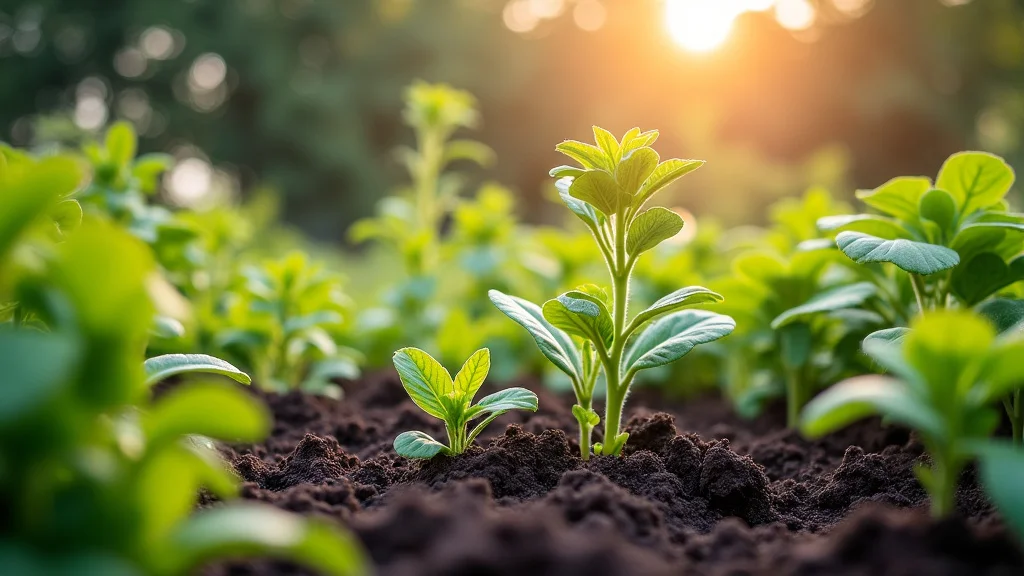
Remember that time your tomato plants withered, and you just couldn’t figure out why? We’ve all been there! Gardening can feel like a puzzle, but it doesn’t have to be hard. That’s where Auntie Rachel’s gardening tips come in. This post will give you easy-to-follow advice, whether you’re a beginner or just looking to improve your green thumb. You’ll learn the secrets to a vibrant garden, from picking the right plants to keeping them happy and healthy. Get ready to transform your outdoor space with simple, practical Auntie Rachel’s gardening tips.
Key Takeaways
- Learn essential steps for prepping your soil for successful planting.
- Discover how to choose the right plants for your local climate and garden conditions.
- Explore effective watering techniques for flourishing plants, avoiding common mistakes.
- Understand the basics of pest control, including natural and safe solutions.
- Get expert advice on maintaining and nurturing your garden throughout the seasons.
- Find out how to harvest your crops for maximum flavor and enjoyment.
Getting Started with Your Garden
Before you even think about planting, getting your soil ready is key. Think of your soil as the foundation for a house – if it’s not strong, your plants won’t thrive. This means ensuring your soil is rich in nutrients and has the right texture to support healthy root growth. You’ll want to remove any rocks, weeds, or debris, and then it’s time to test your soil. The pH level needs to be just right for your plants to get the nutrients they need. Auntie Rachel always stresses the importance of good soil preparation before planting.
Soil Testing and Preparation
Soil testing might sound fancy, but it’s simple. You can buy a soil test kit at any garden center, or even send a sample to a lab. These tests tell you the pH level of your soil, which is a measure of how acidic or alkaline it is. Most plants prefer a slightly acidic to neutral soil. The test will also let you know if your soil is lacking any important nutrients, like nitrogen, phosphorus, and potassium. Armed with this knowledge, you can amend your soil by adding compost, manure, or other organic matter to improve its health. Remember: happy soil equals happy plants!
- Test Your Soil: Buy a soil test kit or send a sample to a lab to assess pH and nutrient levels.
- Amend with Organic Matter: Add compost, aged manure, or other organic materials to improve soil structure and fertility.
- Remove Debris: Clear rocks, weeds, and any unwanted materials that could hinder plant growth.
- Loosen the Soil: Use a garden fork or tiller to aerate the soil, making it easier for roots to spread.
- Level the Surface: Ensure the soil surface is even for consistent watering and planting.
Choosing the Right Location
The spot you choose for your garden is important. Most plants need at least six hours of sunlight a day. If your area doesn’t get that much sun, you’ll need to select plants that thrive in shade. Think about the water source, too – is there a hose nearby, or will you need to haul buckets? Also, consider how easy it is to access the garden. You’ll be visiting it often for watering, weeding, and harvesting. Auntie Rachel always picks spots near the house. That way, she can keep a close eye on her garden.
- Sunlight Needs: Determine how much sunlight your chosen plants need and select a location accordingly.
- Water Source: Ensure easy access to a water source, such as a hose or spigot.
- Accessibility: Choose a location that is easily accessible for tending and harvesting.
- Soil Drainage: Make sure the area has good drainage to prevent waterlogging.
- Wind Protection: Consider wind exposure and choose a location that offers some protection, if needed.
Starting Small and Planning Your Garden
Don’t get overwhelmed! Starting small is a great approach. Maybe just plant a few tomato plants, some herbs, and a few flowers. As you gain experience, you can expand your garden. Planning your garden is key before you plant anything. Sketch out your garden layout, thinking about where each plant will go. Consider how tall plants will shade smaller ones, and space them correctly. Research the best plants for your area. Auntie Rachel always plans her garden on paper first.
- Sketch a Plan: Draw your garden layout, considering plant sizes and spacing.
- Research Local Plants: Find plants that thrive in your climate and are easy to grow.
- Start with Easy Plants: Choose simple plants, such as herbs, lettuce, and radishes, to begin with.
- Choose Compatible Plants: Research which plants grow well together, and which should be kept separate.
Selecting the Right Plants with Auntie Rachel’s Advice
Choosing the right plants can make or break your garden. Local climate matters a lot. For instance, if you live somewhere with long, hot summers, you’ll want heat-tolerant plants. Similarly, plants need different amounts of sunlight and water. Research your plants’ specific needs and match them to your garden’s conditions. Consider your soil type as well. Some plants prefer well-draining soil, while others can tolerate heavier clay. If you pick the right plants, you’ll have a much easier time.
Matching Plants to Your Climate
The U.S. Department of Agriculture (USDA) Plant Hardiness Zone Map is an important resource. This map divides the country into zones based on average minimum winter temperatures. If you know your zone, you can select plants that are likely to survive your winters. For example, if you are in Zone 7, you can grow a wider variety of plants compared to someone in Zone 4. Check the plant labels or seed packets to see the hardiness zone information. Local nurseries are also a great source of information on what thrives in your specific area. Auntie Rachel swears by this map, saying it helps her to plan her garden.
- Use the USDA Plant Hardiness Zone Map: Identify your local zone for selecting plants that can survive winter temperatures.
- Check Plant Labels: Review plant labels or seed packets for hardiness zone information.
- Consider Frost Dates: Know the average last and first frost dates to protect plants from damage.
- Local Nursery Advice: Seek advice from local nurseries on the best plants for your area.
- Observe Neighboring Gardens: See what plants are thriving in your neighborhood as a guideline.
Considering Sunlight and Soil Requirements
Understanding sunlight requirements is key. Some plants, like tomatoes and peppers, need a lot of sun (at least six hours per day), while others, like lettuce and spinach, do well in partial shade. Soil also impacts growth. Some plants like well-draining soil, while others prefer more moisture. Testing your soil, as mentioned earlier, is the best method to figure out what you have. Matching the right plants to their environment is a must. If a plant isn’t getting what it needs, it will struggle to grow.
- Sunlight Needs: Determine the amount of sunlight each plant needs (full sun, partial shade, or full shade).
- Soil Drainage: Assess your soil’s drainage capacity and select plants accordingly.
- Soil Type: Know your soil type (sandy, clay, loam) to choose the right plants.
- Plant Label Information: Pay attention to the sunlight and soil recommendations on plant labels.
- Research Plant Preferences: Research each plant’s ideal growing conditions.
Starting Seeds or Buying Seedlings
You can either start seeds indoors or buy young plants (seedlings) from a garden center. Starting seeds gives you more choices and can save money. However, it takes more time and effort. Seedlings are ready to plant right away, which is helpful if you want to get your garden going quickly. Auntie Rachel usually starts her tomatoes and peppers from seeds indoors a few weeks before the last expected frost. She also buys some seedlings for variety and convenience.
- Starting from Seed: Choose seeds to grow plants from the start, a budget-friendly option.
- Buying Seedlings: Purchase young plants to skip the seed-starting phase.
- Consider Seasonality: Pick the best timing to start seeds or buy seedlings based on your local season.
- Indoor Seed Starting: Start seeds indoors to get a head start on the growing season.
- Hardening Off: Gradually acclimate seedlings to the outdoor conditions before planting.
Watering Wisely and Auntie Rachel’s Watering Secrets
Watering correctly is vital for a healthy garden. Overwatering and underwatering are common issues. It’s often better to water deeply and less often. This encourages the roots to grow down, making the plant more resistant to dry spells. The best time to water is in the morning, which lets the leaves dry before nightfall, reducing the risk of fungal diseases. Auntie Rachel uses a watering can for smaller areas and a soaker hose for her larger beds. She always checks the soil moisture before watering.
Watering Techniques
Different methods of watering work well. A watering can is great for individual plants, soaker hoses deliver water directly to the soil, and sprinklers are fine for lawns and larger areas. When you’re watering, aim to water the soil, not the leaves. Wet leaves can get diseases. Check the soil moisture before watering. You should water when the top inch of soil feels dry to the touch. Adjust your watering schedule based on the weather conditions. Auntie Rachel pays close attention to the weather to adjust her watering accordingly.
- Deep Watering: Water thoroughly but less frequently to encourage deep root growth.
- Morning Watering: Water in the morning to allow leaves to dry before night.
- Avoid Wetting Leaves: Water the soil directly to reduce the risk of diseases.
- Check Soil Moisture: Test the soil before watering to determine if plants need it.
- Use Appropriate Tools: Choose suitable watering tools like a watering can, soaker hoses, or sprinklers.
Recognizing Overwatering and Underwatering
Both overwatering and underwatering can harm plants. Overwatering can lead to root rot, which is when the roots start to decay because they’re sitting in water for too long. Signs of overwatering include yellowing leaves and a soft, mushy stem. Underwatering, on the other hand, causes the leaves to wilt and turn brown. The soil will also feel dry. Knowing the signs and symptoms will help you fix the issue quickly. Auntie Rachel often says, “Look at your plants, they’ll tell you what they need!”
- Overwatering Symptoms: Yellowing leaves, soft stems, and stunted growth.
- Underwatering Symptoms: Wilting leaves, dry soil, and brown leaf edges.
- Soil Moisture Test: Use your finger to check the soil moisture.
- Observe Plant Behavior: Pay attention to the plant’s appearance to diagnose watering problems.
- Adjust Watering Schedule: Fine-tune your watering practices based on plant behavior and weather.
Water-Saving Tips
Conserving water is important for sustainability. Mulching around your plants with straw, wood chips, or shredded bark helps to retain moisture in the soil, which cuts down on how often you need to water. Also, consider using a rain barrel to collect rainwater, which is good for your plants. Group plants with similar water needs together. This simplifies watering and makes sure each plant gets what it needs. Auntie Rachel loves using mulch and tries to use water wisely. She said it is a good habit for every gardener.
- Mulching: Apply mulch to retain moisture and reduce evaporation.
- Rainwater Harvesting: Collect rainwater in rain barrels to water your plants.
- Group Plants: Group plants with similar water needs together.
- Water Early: Water plants early in the morning.
- Use Soaker Hoses: Use soaker hoses or drip irrigation systems to water directly at the roots.
Keeping Pests at Bay with Auntie Rachel’s Natural Approaches
Pests can be frustrating, but Auntie Rachel has a lot of tips for keeping them away. The most important tip is prevention. Start by choosing healthy plants and keeping your garden clean of dead leaves and debris, as these can provide shelter for pests. Regularly inspect your plants for any signs of trouble. It is also important to introduce beneficial insects to your garden. Ladybugs and lacewings are two examples. Auntie Rachel’s strategy is simple: keep the garden healthy and use natural methods to manage pests.
Identifying Common Garden Pests
It’s important to know the enemies. Common garden pests include aphids, slugs, snails, and caterpillars. Aphids are small, soft-bodied insects that suck the sap from plants. Slugs and snails will eat leaves and stems, leaving behind slimy trails. Caterpillars can quickly devour entire plants. You have to learn how to spot these pests early. Inspect your plants regularly, looking for the telltale signs of damage or the pests themselves. Quick identification makes controlling the issue easier. Auntie Rachel says, “Know your pests, and you can beat them!”
- Aphids: Small, soft-bodied insects that feed on plant sap.
- Slugs and Snails: Mollusks that consume leaves and stems, leaving slimy trails.
- Caterpillars: Larvae that can quickly defoliate plants.
- Spider Mites: Tiny arachnids that suck plant sap, causing stippling.
- Japanese Beetles: Metallic beetles that eat leaves and flowers.
Natural Pest Control Methods
Chemical pesticides can harm your plants and the environment. Fortunately, there are many natural ways to keep pests away. One way is to introduce beneficial insects, like ladybugs and lacewings, which eat pests. You can also use organic sprays, such as insecticidal soap or neem oil. Diatomaceous earth, a powder made from the fossilized remains of diatoms, can also be a helpful tool. Auntie Rachel emphasizes the use of natural methods. She believes they keep the garden healthy and safe for everyone.
- Beneficial Insects: Introduce ladybugs, lacewings, and other beneficial insects.
- Insecticidal Soap: Spray plants with insecticidal soap to kill soft-bodied pests.
- Neem Oil: Use neem oil to control a wide range of pests and diseases.
- Diatomaceous Earth: Apply diatomaceous earth to control pests and deter slugs.
- Handpicking: Handpick larger pests, such as caterpillars, to remove them.
Preventive Measures
Prevention is the best medicine. One important step is to choose pest-resistant varieties of plants. Keep your garden clean by removing any dead or decaying plant matter, which can harbor pests. Companion planting is also a good approach, which means planting certain plants together that can help each other. For example, planting marigolds can help to deter nematodes, which are a type of pest that attacks plant roots. Auntie Rachel uses all of these methods to create a healthy environment that keeps pests away.
- Choose Resistant Varieties: Select pest-resistant plant varieties when possible.
- Garden Cleanliness: Remove dead leaves and debris.
- Crop Rotation: Rotate crops to break pest cycles.
- Companion Planting: Plant companion plants to repel pests.
- Regular Inspection: Inspect plants frequently for any signs of infestation.
Harvesting and Maintaining Your Garden
Once you get past the initial planting stages, it is time for harvesting and maintenance. Harvest is the most satisfying part of gardening! Knowing when and how to harvest your crops is key to getting the best flavor. Maintaining your garden is an ongoing process. You need to keep weeding, watering, and checking for pests and diseases. Auntie Rachel believes that regular care ensures that you can get the best yields. It helps to keep your garden thriving all season long.
Harvesting Techniques for Maximum Flavor
Harvesting at the right time is important for taste. Tomatoes should be harvested when they are fully colored. You should harvest many vegetables, such as beans and zucchini, when they are young and tender. Leafy greens should be harvested from the outside leaves first. Most herbs taste best when harvested before they flower. Regular harvesting encourages plants to produce more. Auntie Rachel often says that a well-harvested garden is a happy garden! She knows when to gather vegetables and herbs.
- Harvest Time: Harvest when fruits and vegetables are ripe, based on their variety.
- Leafy Greens: Harvest the outer leaves of leafy greens first.
- Herbs: Harvest herbs before they flower for the best flavor.
- Regular Harvesting: Harvest regularly to encourage continued production.
- Gentle Handling: Handle harvested produce carefully to prevent damage.
Weeding and Pruning
Weeding is an important task for keeping your garden tidy. Weeds compete with your plants for resources, such as water and nutrients. You can weed by hand, or you can use a hoe or a weed puller. Pruning involves removing dead, damaged, or overcrowded branches or stems. Pruning can improve air circulation and prevent diseases. Auntie Rachel usually does both of these tasks weekly. She says that regular maintenance keeps her garden looking its best.
- Weeding Regularly: Remove weeds regularly to prevent them from taking over your garden.
- Pruning for Airflow: Prune plants to improve air circulation and reduce disease risk.
- Remove Dead Growth: Remove any dead or damaged stems or leaves.
- Shape Plants: Prune plants to shape them and encourage growth.
- Clean Tools: Keep your tools clean and sharp.
Dealing with Diseases
Sometimes, despite your best efforts, diseases can strike. The best thing you can do is prevent diseases. Choosing disease-resistant varieties is one way. Make sure your plants have enough space to allow for good air circulation, and avoid getting the leaves wet when watering, as this can encourage fungal diseases. If a disease does occur, identify it quickly. Auntie Rachel always inspects her garden for any signs of trouble. She knows it’s a good practice.
- Disease Resistance: Choose disease-resistant plant varieties.
- Air Circulation: Provide good air circulation to reduce disease risk.
- Watering Techniques: Water at the base of the plants to avoid wetting the leaves.
- Early Detection: Identify diseases early to prevent their spread.
- Use Fungicides: Use organic fungicides.
Common Myths Debunked
Myth 1: All plants need the same amount of water.
Reality: Different plants have very different watering needs. Some plants thrive with plenty of water, while others prefer drier conditions. Overwatering can lead to root rot, which will kill your plant. Underwatering will also harm your plant. Understanding each plant’s specific needs is key. Auntie Rachel always checks the individual needs for each of her plants.
Myth 2: You should always fertilize plants when you plant them.
Reality: Over-fertilizing can be just as bad as not fertilizing at all. If you amend your soil with compost or manure, the plants get all the nutrients they need. It is usually best to wait a few weeks before fertilizing your plants. Auntie Rachel only adds extra fertilizer when needed, based on the specific plant’s needs.
Myth 3: Pests will always ruin your garden.
Reality: While pests are a potential problem, they don’t have to ruin your garden. With the right strategies, you can minimize pest damage. Using natural pest control methods, choosing resistant plants, and keeping your garden clean can help. Auntie Rachel keeps her garden very healthy. She rarely has pest issues.
Myth 4: Mulch attracts pests.
Reality: Mulch, such as wood chips or straw, can actually help to deter pests. It can help keep the soil moist, preventing the need for frequent watering. Additionally, mulch can act as a physical barrier to pests like slugs and snails. Auntie Rachel has been using mulch for years without issues. She loves its gardening benefits.
Myth 5: All garden soil is the same.
Reality: Different soils have different properties. Soil texture can range from sandy to clay-rich, and pH levels vary. It is important to know your soil type. Testing your soil will also let you know if your soil is lacking important nutrients. Knowing your soil’s composition will help you select the right plants for it. Auntie Rachel knows her soil well.
Frequently Asked Questions
Question: How often should I water my plants?
Answer: It depends on the plant, the weather, and your soil. As a general rule, it’s better to water deeply and less often. Check the soil moisture and water when the top inch or two of soil feels dry.
Question: When is the best time to plant?
Answer: This depends on the plant and your climate. Check the seed packet or plant label for planting instructions and the recommended time of year. Consider your last and first frost dates.
Question: How can I improve my soil?
Answer: Add organic matter, like compost or well-rotted manure, to improve the soil. Test your soil’s pH and adjust it if necessary, using lime for acidic soil or sulfur for alkaline soil.
Question: What do I do if I see pests in my garden?
Answer: First, identify the pest. Then, try natural pest control methods, such as insecticidal soap, neem oil, or introducing beneficial insects. Handpicking can also be effective.
Question: How do I harvest vegetables?
Answer: Harvest vegetables when they are ripe. Check the instructions for the plant that you are growing. Many vegetables, like beans, should be picked when they are young and tender.
Final Thoughts
Gardening can be a rewarding hobby. With these Auntie Rachel’s gardening tips, you have the knowledge needed to get started or to improve your garden. From preparing your soil to choosing the right plants and managing pests, you now have a solid foundation. Remember to water wisely, keep an eye out for pests, and enjoy the process. Every gardener has their own tricks and tips, but the fundamentals often stay the same. Don’t be afraid to experiment, learn from your mistakes, and most of all, have fun! Your thriving garden awaits, ready to be filled with your hard work and care. Grab your gardening gloves and start planting today!