Apartment Patio Gardening Tips for Thriving Green Spaces
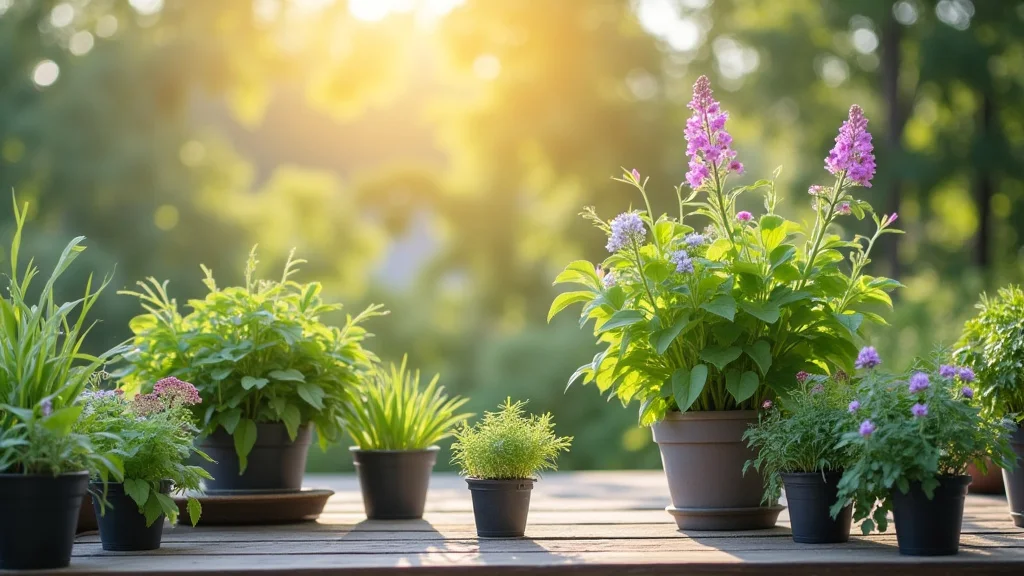
Picture this: You’re sipping your morning coffee, surrounded by vibrant blooms and fresh herbs, all on your own apartment patio. But, you live in an apartment, right? Where do you even begin with gardening? Don’t worry, even the smallest patio can become a thriving oasis. This post will guide you through practical apartment patio gardening tips, ensuring you can cultivate a beautiful and productive space, no matter your experience level. You will learn about everything, from plant selection to watering techniques, ensuring you can turn your outdoor space into a personal haven. The goal is to equip you with the knowledge to create your own flourishing garden. Let’s get you growing!
Key Takeaways
- Discover the best plants suited for apartment patio gardening.
- Learn essential techniques for choosing the right containers and soil.
- Understand how to manage sunlight and optimize your patio’s growing conditions.
- Master watering and maintenance schedules for healthy plants.
- Explore space-saving ideas for small apartment patios.
- Find inspiration for creating beautiful and functional outdoor spaces.
Planning Your Apartment Patio Garden
Before you even think about planting, careful planning is important. Evaluate the amount of sunlight your patio receives throughout the day. This dictates which plants will thrive. Also, consider the size of your patio, the local climate and your personal lifestyle. This initial stage, whilst seeming simple, sets the stage for success. Taking the time to analyze your space will help you avoid costly mistakes. A successful apartment patio gardening tips start with some research.
Assessing Sunlight and Shade
Sunlight is the primary source of energy for plants. To assess sunlight, observe your patio over several days, paying attention to how much direct sunlight it receives. Note the hours of direct sun, as well as the areas of shade. Full sun areas receive six or more hours of direct sunlight, while partial sun areas receive four to six hours. Shade areas receive less than four hours. Knowing this will influence your plant selection.
-
Full Sun: Plants like tomatoes, peppers, and herbs such as basil and rosemary flourish in full sun.
Tomatoes need at least six hours of sun daily to produce fruit. Choose compact varieties to fit in containers.
-
Partial Sun: Vegetables like lettuce and spinach grow well in partial sun, along with flowering plants such as impatiens.
Leafy greens appreciate partial sun to prevent them from bolting (going to seed) too quickly. Place them where they can benefit from some shade during the hottest part of the day.
-
Shade: Plants like hostas and ferns, as well as some flowering varieties such as begonias, do well in shade.
Shady patios can be vibrant with the right plants. Consider adding brighter touches with container colors and textures to offset the low light.
Example: You’ve noticed your patio gets direct sunlight from noon to 6 PM. You can choose sun-loving plants for this space.
Measuring Your Patio Space
Measuring your patio accurately is crucial for maximizing your space. Use a measuring tape to determine the length and width of your patio, recording the dimensions. Consider any existing furniture or features, like railings, or built-in elements. Draw a basic layout of your patio, marking the measurements and the location of sunlight and shade. This will help you visualize the space and determine the size and placement of your containers and other gardening features. Think of this as your personalized garden map.
-
Size Restrictions: Ensure you comply with any HOA or building restrictions regarding plants and structures.
Some communities may have rules about container sizes or the type of plants you can grow. Always check before you start.
-
Container Placement: Consider the placement of containers and the accessibility for watering and maintenance.
Leave enough space to move around the plants and to tend to them. Avoid overcrowding to allow for adequate air circulation.
-
Vertical Gardening Potential: Utilize vertical space to maximize your gardening potential, especially in small areas.
Consider hanging planters, trellis, and wall-mounted planters to add depth and grow more plants in a smaller footprint. This is one of the best apartment patio gardening tips for compact areas.
Real-life example: Sarah used a small patio layout to plan her container garden. She decided to dedicate one corner to herbs using a vertical planter and placed her larger tomato plants where they would get the most sun.
Choosing the Right Plants for Your Patio
Selecting the right plants for your apartment patio is essential for success. Consider factors like sunlight exposure, local climate, and the size of your space. Some plants are naturally better suited to container gardening than others. Compact varieties and those with shallow root systems are ideal for pots. Choose plants that fit your taste and lifestyle. This section will guide you through selecting the ideal plants for a flourishing patio garden.
Selecting Plants Based on Sunlight
The amount of sunlight your patio receives will greatly influence your plant choices. Group plants with similar sunlight needs together. This helps create a balanced and thriving environment. Avoid mixing plants with drastically different light requirements, as this can lead to some plants thriving while others struggle.
-
Sun-Loving Choices: Sunflowers, marigolds, and herbs like rosemary and thyme.
Sunflowers are easy to grow and provide a cheerful touch. Rosemary and thyme thrive in full sun and are great culinary additions.
-
Partial-Sun Plants: Impatiens, begonias, and leafy greens such as spinach and lettuce.
Impatiens offer vibrant blooms and do well in partial shade. Spinach and lettuce can thrive without excessive direct sun.
-
Shade-Tolerant Varieties: Hostas, ferns, and impatiens.
Hostas and ferns add texture to the garden. Shade-loving impatiens provide color in less sunny spots.
Example: If your patio gets direct sunlight in the morning and shade in the afternoon, consider plants that can tolerate some shade. Vegetables like lettuce and spinach will do well in this condition.
Choosing Compact and Container-Friendly Varieties
Selecting the right varieties is important when you’re working with limited space. Look for varieties of vegetables, herbs, and flowers that have been specifically bred for container gardening. These plants are often compact. Avoid choosing overly large varieties that may outgrow your space, which will result in root-bound plants that need constant attention.
-
Vegetable Choices: Dwarf or bush varieties of tomatoes, peppers, and cucumbers.
These varieties are specifically bred to remain compact. They will produce the same amount of fruit without taking up too much space.
-
Herb Varieties: Basil, chives, mint, and oregano.
These herbs can be easily managed in containers and are perfect for a patio garden. Mint can become invasive, so keep it in its own pot.
-
Flower Selections: Petunias, pansies, and geraniums.
These flowers are known for their vibrant blooms and ability to thrive in containers. They are also easy to maintain.
Sample scenario: A gardener selected the “Tiny Tim” tomato variety for their patio garden, and it produced a large number of tomatoes in a small space.
Essential Gardening Techniques for Your Patio
Having the right tools and knowing basic techniques can make all the difference in your patio gardening. The selection of the right containers, soil, and proper watering and fertilizing are all key to successful growth. Taking these steps will ensure a healthy, thriving garden that is a pleasure to tend.
Selecting the Right Containers and Soil
Choosing the right containers and soil is crucial for the health and success of your patio garden. Select containers of various sizes and materials depending on your plant types and aesthetics. Choose a well-draining potting mix to promote healthy root growth. Investing in quality containers and soil will pay dividends.
-
Container Materials: Terracotta, plastic, and self-watering pots.
Terracotta is porous, allowing air to reach the roots, while plastic pots are lighter and retain moisture. Self-watering pots reduce watering frequency.
-
Container Size: Match container size with plant needs.
Larger plants require larger containers to accommodate their root systems. Consider the mature size of the plant.
-
Potting Mix: Use a well-draining potting mix, not garden soil.
Potting mix ensures proper drainage and aeration, which prevents root rot and allows for healthy root growth. It often contains peat moss, perlite, and vermiculite.
Statistic: According to the National Gardening Association, using the right potting mix can increase plant yields by 20%.
Watering and Fertilizing Practices
Proper watering and fertilizing are critical to your patio garden’s health. Establish a regular watering schedule, adjusting based on the weather conditions and the needs of your plants. Fertilize your plants regularly with a balanced, slow-release fertilizer. Consistent watering and fertilization will promote strong growth and abundant blooms.
-
Watering Schedule: Water deeply when the top inch of soil is dry.
Water in the morning to allow foliage to dry before nightfall, reducing the risk of fungal diseases.
-
Watering Methods: Water at the base of the plant.
Avoid watering the foliage to prevent diseases. Use a watering can or drip irrigation.
-
Fertilizing: Use a balanced, slow-release fertilizer.
Follow the manufacturer’s instructions for application. Regular feeding provides essential nutrients for plant growth.
Real-life example: A gardener who used a self-watering pot, watered their plants less often, preventing both underwatering and overwatering.
Maximizing Space and Creating a Beautiful Patio
Small patios present a challenge, but with creativity and the right techniques, they can be transformed into beautiful and productive gardens. Utilizing vertical space and implementing space-saving strategies will help you grow more plants in a limited area. Creating a beautiful outdoor space makes your patio a welcoming place.
Utilizing Vertical Space
Vertical gardening involves using the space above the ground to grow plants. This is an excellent way to maximize your gardening area, allowing you to grow a wide variety of plants without taking up too much floor space. Vertical gardening adds visual interest.
-
Trellises and Walls: Use trellises and walls for climbing plants.
Climbing plants like cucumbers and beans can be trained to grow up trellises or along walls, saving ground space.
-
Hanging Baskets: Hang plants from the ceiling or railings.
Hanging baskets are perfect for trailing plants like petunias and strawberries. They add color and visual interest.
-
Vertical Planters: Use vertical planters and stacked planters.
Vertical planters can be used to create living walls, perfect for herbs, strawberries, or other compact plants. Stacked planters are a space-saving solution.
Example: A small patio benefited from installing a trellis with climbing roses. This added a decorative element and did not take up floor space.
Adding Decorative Elements and Functionality
Designing your patio garden is not just about growing plants; it is also about creating a relaxing and inviting space. Consider adding decorative elements like colorful pots, outdoor lighting, and comfortable seating. Integrate functional elements to enhance the usability of your space. This blend of beauty and practicality will make your patio a true outdoor haven.
-
Seating and Comfort: Add comfortable seating and shade elements.
Include a small table and chairs to create an outdoor seating area. Use umbrellas or shade sails to provide shade on sunny days.
-
Outdoor Lighting: Use string lights or solar-powered lights.
String lights and solar-powered lights can add ambiance and extend the use of your patio into the evening. Place them strategically to highlight plants.
-
Decorative Pots and Features: Choose attractive pots and add garden art.
Choose pots that complement your plants and overall design. Garden art adds personality and character to the space.
Sample scenario: A small patio was transformed by adding string lights, comfortable seating, and colorful pots to create a cozy and visually appealing garden.
Common Myths Debunked
Myth 1: You Need a Large Yard to Grow a Garden.
The reality is that you do not need a large yard. Container gardening allows you to grow plants in a very small space, such as a patio, balcony, or even a windowsill. The principles are the same, just scaled down.
Myth 2: Gardening Is Too Time-Consuming.
While some gardening activities require time, like regular watering and weeding, container gardening can be time-efficient. With the right setup, you can minimize maintenance. The time commitment depends on the scale of your garden and the plants you choose.
Myth 3: You Cannot Grow Food in Containers.
You most certainly can. You can grow a wide variety of vegetables, herbs, and fruits in containers. Many plant varieties are compact. Consider dwarf varieties of tomatoes, peppers, and leafy greens. With the right selection of plants, you can enjoy a harvest from your apartment patio.
Myth 4: Container Gardening Is Expensive.
The initial setup might require some investment, but container gardening can be done economically. Repurposing containers, using homemade compost, and choosing affordable plants can lower costs. Over time, you can expand your garden gradually, investing in new plants or features. Buying seedlings from local nurseries can be less expensive than starting from seed.
Myth 5: It’s Hard to Keep Plants Alive in Containers.
Container gardening, like other types of gardening, requires proper care. It is actually quite manageable. Choosing the right plants for your climate, providing the correct sunlight, watering appropriately, and maintaining soil nutrition are all part of good gardening practices. Learn the needs of your plants and adjust your methods accordingly. The key is to select plants suited to your environment.
Frequently Asked Questions
Question: How often should I water my patio plants?
Answer: The frequency depends on the plant type, weather, and container size. Check the soil moisture daily by sticking your finger about an inch deep. Water when the top inch of soil is dry.
Question: What is the best type of soil for patio gardening?
Answer: A well-draining potting mix is best. Avoid garden soil, as it can compact in containers. Look for a mix that contains peat moss, perlite, and vermiculite.
Question: Can I use tap water for my plants?
Answer: Yes, tap water is usually fine. However, if your tap water is heavily chlorinated, let it sit out for a day to allow the chlorine to dissipate.
Question: How do I fertilize my patio plants?
Answer: Use a balanced, slow-release fertilizer specifically formulated for plants in containers. Follow the manufacturer’s instructions for the correct dosage and application frequency.
Question: What do I do if my plants get pests or diseases?
Answer: Inspect your plants regularly. Remove any affected leaves or plants. Use organic pest control methods like insecticidal soap or neem oil if necessary. Ensure good air circulation to prevent diseases.
Final Thoughts
Embracing apartment patio gardening tips can be incredibly rewarding. With careful planning, plant selection, and the right techniques, you can transform a small space into a vibrant and productive garden. The joy of nurturing plants, from tiny seeds to flourishing blooms, brings a sense of accomplishment and connection to nature. Remember to assess your patio’s sunlight, choose plants that fit your space and your tastes, and provide the care your plants need. Don’t let space constraints hold you back; there are many innovative ways to cultivate a beautiful outdoor area. Start small, be patient, and enjoy the process. Your apartment patio can become a green oasis.