A Video of Patrick’s Gardening Tips: Growing Green Thumb Skills
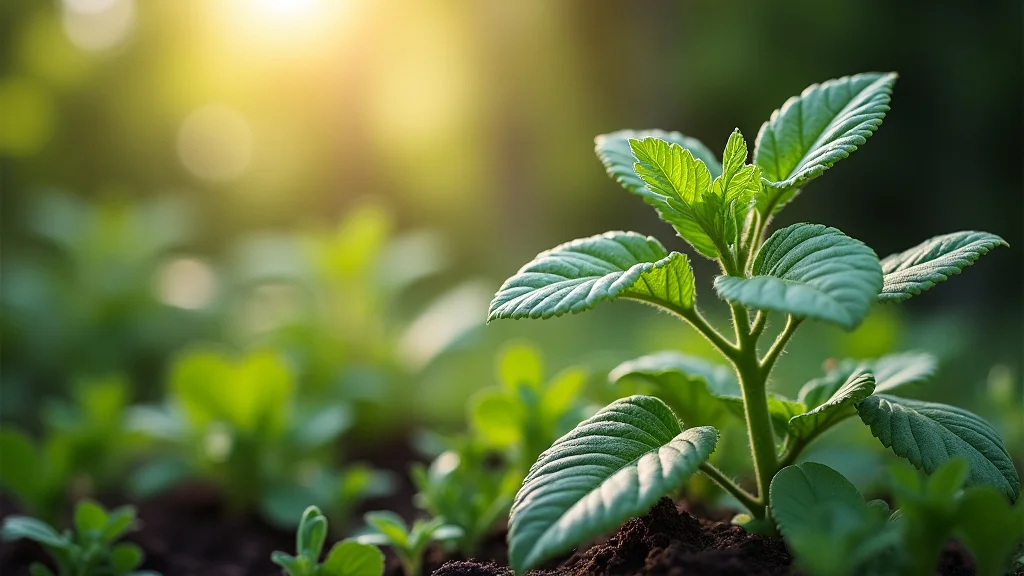
Remember that feeling of finally getting a plant to actually thrive? It’s a great feeling! Whether you’re a seasoned gardener or just starting with a single pot on your windowsill, learning new techniques can always improve your skills. This post explores Patrick’s gardening tips, and it will give you practical advice you can put to use immediately. You’ll learn simple ways to boost your harvest. You’ll also discover techniques that have you looking like a pro. Prepare to learn valuable insights from a helpful expert, and get ready to grow your best garden ever!
Key Takeaways
- You will learn essential methods to prepare your soil for optimal plant growth.
- Discover the best watering strategies to ensure healthy plants.
- You’ll get an inside look at choosing the perfect plants for your space.
- Find out useful strategies for controlling common garden pests.
- Gain a stronger handle on simple techniques to maintain your garden.
Getting Started with a Video of Patrick’s Gardening Tips
Every great garden begins with a solid plan. Before you even think about planting, Patrick’s gardening tips start with the basics. This involves choosing the right spot, preparing the soil, and deciding what to plant. These initial steps are the foundation for a thriving garden, and they set you up for success. By exploring these early steps, you’ll be well on your way to enjoying the rewards of a beautiful garden. Let’s explore how to get started!
Choosing the Right Location
The location of your garden is one of the most important decisions you’ll make. Different plants have different needs when it comes to sunlight. Some thrive in full sun, while others prefer partial shade. Observe your yard throughout the day to see where the sun shines the most and where it is shaded. Consider the amount of space you have, as well as the proximity to a water source. A location that receives at least six hours of sunlight per day is generally ideal for most vegetables and flowers. Ensure you have easy access to water. This will save you time and energy when it comes to watering your plants.
- Sunlight Requirements: Assess how many hours of sunlight the area receives.
- Soil Conditions: Understand your soil type.
- Water Access: Make sure water is easy to get to.
Different plants have varying sunlight needs. Full sun means six or more hours of direct sunlight. Partial shade requires three to six hours of sunlight. Full shade gets less than three hours. This helps to choose plants that are well-suited to the area.
Testing your soil helps you learn its composition. This knowledge helps you add the necessary nutrients. Sandy soils drain quickly, whereas clay soils retain water. Loamy soil is considered ideal. Adding compost or other organic matter improves drainage and fertility.
Watering is a key part of gardening. A nearby water source makes it easier. This can be a hose or a well-placed rain barrel. This convenience makes watering less tedious. It encourages you to stay on top of your watering schedule.
Preparing Your Soil
Healthy soil is the foundation of a healthy garden. Before planting, it is necessary to prepare the soil. This involves removing weeds, loosening the soil, and adding compost or other organic matter. This will provide essential nutrients for your plants. It will also improve drainage and aeration. This preparation helps create a favorable environment for root growth. It gives your plants a solid start. Soil preparation is one of the most important Patrick’s gardening tips.
- Weed Removal: Get rid of any existing weeds.
- Loosening the Soil: Improve your soil structure.
- Adding Compost: Enrich your soil with nutrients.
Weeds compete with your plants for nutrients and water. Get rid of them before planting. You can pull them by hand, hoe them, or use an organic weed killer. This will reduce competition. This promotes healthy growth for your plants.
Use a garden fork or tiller to loosen the soil to a depth of at least 12 inches. This improves drainage and allows roots to spread easily. Loosening the soil also helps in the aeration of the roots. This provides them with more oxygen.
Compost adds essential nutrients to your soil and improves its structure. Add a layer of compost before planting. This provides a slow release of nutrients. It also improves the soil’s water-holding capacity. Compost makes your garden plants flourish.
Selecting the Right Plants
Choosing the right plants involves considering your climate, space, and personal preferences. Selecting plants that are suited to your local environment will make them easier to care for. You’ll need to think about how much space you have. Be sure to consider the plants’ mature sizes. Consider your favorite plants and how you want your garden to look. Choosing plants that you enjoy will make gardening a pleasure. It will make the results even more rewarding.
- Know Your Climate: Select plants adapted to your climate zone.
- Consider Space: Choose plants that fit your available area.
- Personal Preferences: Plant what brings you joy.
Each plant has a zone of growing preference. These zones determine the plants’ ability to withstand temperature fluctuations. You can research your USDA plant hardiness zone. This will help you choose plants that will thrive in your area. This will also guarantee your plants are safe against the elements.
Consider the mature size of the plants. If you have a small garden, choose compact varieties. If you have a large garden, you can grow larger plants. Give each plant enough space to grow without crowding them. This encourages healthy growth and reduces the spread of diseases.
Choose plants based on your interests. This could be vegetables, flowers, or herbs. Think about the colors, shapes, and textures that you like. Include plants that provide fresh produce. You can also include plants that attract birds. Make your garden a place you enjoy.
Watering Strategies from a Video of Patrick’s Gardening Tips
Watering is a vital part of gardening. It provides the essential moisture that plants need. Knowing when and how to water correctly can make a big difference in the health and productivity of your plants. This section discusses proper watering techniques, including frequency, methods, and the importance of monitoring your soil moisture. By following these Patrick’s gardening tips, you can ensure your plants get the water they need.
Watering Frequency and Timing
The frequency of watering depends on various factors. These include the type of plant, the weather, and your soil. Overwatering can lead to root rot. Underwatering can cause wilting and stunted growth. It’s necessary to learn the specific needs of each plant and adjust your watering schedule accordingly. The best time to water is in the early morning. This gives the plants time to absorb the water before the sun evaporates it. This also lowers the risk of fungal diseases.
- Observe Your Plants: Watch for signs of stress.
- Morning Watering: Water early in the day.
- Watering Depth: Give your plants a deep drink.
Look for signs that your plants need water. These include wilting leaves or dry soil. Check the soil moisture by inserting your finger into the soil. Water when the top inch of soil feels dry. Adjust your watering schedule based on weather conditions. This helps avoid overwatering or underwatering.
Watering in the morning is generally best. This allows the plants to absorb water before the sun’s heat. This lowers water loss due to evaporation. It reduces the risk of fungal diseases. Fungal diseases thrive in humid conditions. Watering in the morning keeps the leaves dry.
Water deeply and less frequently. This encourages roots to grow downward. This provides greater access to water and nutrients. Water deeply until water reaches the roots. This improves the plants’ ability to withstand drought conditions. It gives plants the capacity to withstand temperature swings.
Watering Methods
The method you use to water your plants also matters. Different methods have different advantages. Soaker hoses deliver water directly to the soil. Sprinklers water the foliage. Choosing the right watering method can save water. It can also prevent diseases. Understanding the benefits of each method will help you make an informed decision. Then you can choose the best method for your garden. This will benefit your plants and conserve water resources.
- Soaker Hoses: Efficiently water the soil.
- Sprinklers: Water plants overhead.
- Hand Watering: Precise watering.
Soaker hoses are very efficient. They slowly release water directly to the soil. This minimizes water waste due to evaporation. It prevents diseases by keeping the foliage dry. Soaker hoses are ideal for vegetable gardens. They ensure even watering and healthy plant growth.
Sprinklers are effective for watering lawns and large areas. However, they can lead to water loss through evaporation. They can increase the risk of fungal diseases. Sprinklers are useful for watering a large garden area. This should be done early in the morning, which lowers water loss.
Hand watering allows you to target specific plants. This helps ensure that each plant gets the right amount of water. This is useful for container plants. It also helps in areas where water pressure is low. It helps to monitor the soil moisture closely.
Soil Moisture Monitoring
Monitoring your soil moisture is key to successful watering. This tells you if your plants need more or less water. You can use your finger to check the soil moisture. You can use a soil moisture meter. Both methods will help you to prevent both overwatering and underwatering. These actions promote the health and productivity of your garden. By regularly assessing soil moisture, you will provide the ideal growing conditions.
- Finger Test: Simple, effective soil checking.
- Soil Moisture Meter: Precise soil moisture measurement.
- Observe Plant Response: Watch for visual signs.
This method involves inserting your finger into the soil. You’ll check how wet the soil is. Insert your finger 1-2 inches deep. Water your plants when the soil feels dry. This simple method provides direct information about the soil moisture. This prevents overwatering and underwatering.
These devices provide a clear reading of the soil moisture. They are very helpful for adjusting the watering frequency. A soil moisture meter is most helpful for plants that require very specific moisture conditions. These meters help to take the guesswork out of watering.
Pay attention to your plants. Wilting leaves, yellowing leaves, and stunted growth are signs of water stress. These symptoms tell you the water needs of your plants. Use this visual information along with soil testing to adjust your watering. This will ensure healthy plant growth.
Controlling Garden Pests and Diseases: More Patrick’s Gardening Tips
No garden is immune to pests and diseases. By preparing for these challenges, you can keep your garden healthy. This involves understanding common garden problems and how to address them. This section explores strategies. These strategies include using organic methods, such as introducing beneficial insects. It also discusses the importance of disease prevention. Following these Patrick’s gardening tips will help you protect your plants and enjoy a productive garden. You can also minimize the need for harsh chemicals. This approach promotes a sustainable and environmentally friendly garden.
Identifying Common Pests and Diseases
Knowing how to identify pests and diseases is the first step toward controlling them. Common pests include aphids, slugs, and caterpillars. Common diseases include powdery mildew and tomato blight. Learn to recognize these problems quickly. You can then take action before the infestation gets out of control. This can prevent damage to your plants. It can also save you the time and effort of fixing major problems later on. This proactive approach saves time and protects your garden.
- Aphids: Small pests that suck plant sap.
- Slugs and Snails: Feed on leaves and stems.
- Powdery Mildew: Fungal disease on leaves.
Aphids are tiny, soft-bodied insects that feed on plant sap. They often cluster on new growth. Aphids can cause leaves to curl and stunt plant growth. They can also transmit plant viruses. Early detection and treatment is vital. This can include spraying with insecticidal soap. The introduction of ladybugs (a natural predator) is an effective measure.
Slugs and snails damage plants by eating leaves and stems. They are most active at night. Their presence is often revealed by slimy trails. They can be hand-picked or managed using traps. Barriers made of copper tape, which are repellent to slugs, are another effective method.
Powdery mildew appears as a white, powdery coating on leaves. It is a fungal disease that thrives in humid conditions. It can weaken plants and reduce yields. Increase air circulation. Use a fungicide to control the disease. Prune affected leaves.
Organic Pest Control Methods
Organic pest control methods use natural methods. These methods include beneficial insects and homemade sprays. These methods are safe for the environment and for the gardener. Using these techniques can reduce the use of harsh chemicals. It can encourage a balanced ecosystem. This helps create a sustainable garden. The goal is to protect your plants and promote a healthy environment.
- Beneficial Insects: Natural pest control.
- Homemade Sprays: Safe and natural solutions.
- Companion Planting: Using plants to help each other.
Introduce insects that eat garden pests. Ladybugs feed on aphids. Lacewings feed on aphids and other pests. Beneficial insects can significantly reduce pest populations. Attract them by planting flowers that provide nectar and pollen. This increases their natural presence.
Create your own pest control sprays using natural ingredients. Insecticidal soap is effective against soft-bodied insects. Neem oil has anti-fungal and pest-repelling properties. Mix ingredients in water and spray on affected plants. Always test a small area first.
Companion planting is a technique that uses the interaction between different plants. Certain plants repel pests or attract beneficial insects. Planting marigolds near tomatoes can repel nematodes. Basil can repel flies and mosquitoes. Companion planting is a simple way to improve your garden’s health.
Disease Prevention Strategies
Preventing diseases is much easier than treating them. This involves choosing disease-resistant varieties. It also involves practices that will improve air circulation. Maintaining proper sanitation can reduce the risk of disease. By focusing on prevention, you can keep your plants healthy. You can also minimize the chances of outbreaks. A focus on prevention will also improve your garden.
- Choose Resistant Varieties: Select disease-resistant plants.
- Proper Spacing and Air Circulation: Encourage airflow.
- Sanitation: Remove and dispose of diseased plants.
When selecting plants, choose disease-resistant varieties. They have natural defenses against common diseases. Read seed packets or plant labels for information on disease resistance. Resistant varieties require fewer treatments. They also maintain their health, which simplifies your gardening tasks.
Space plants adequately to allow for good airflow. This reduces humidity. It also lowers the risk of fungal diseases. Prune plants to improve air circulation. Keep plants from becoming overcrowded. These actions promote a healthier garden environment.
Remove diseased plant material immediately. This prevents diseases from spreading. Clean up fallen leaves and plant debris. Compost healthy plant matter away from the garden. Cleaning and good sanitation will keep your plants safe. This will also protect the rest of your garden from problems.
Maintenance: Patrick’s Gardening Tips for a Thriving Garden
Regular maintenance is key to keeping your garden thriving. This includes weeding, mulching, and fertilizing. These tasks will contribute to a healthy garden. They also boost plant growth and production. By establishing a consistent maintenance routine, you can ensure your plants stay healthy and beautiful. It also promotes a pleasing garden environment. This is just another one of Patrick’s gardening tips!
Weeding and Mulching
Weeding and mulching are essential maintenance tasks. Weeding removes weeds. Mulching helps retain moisture. It also suppresses weeds. These practices can significantly improve your garden’s health. They also make your gardening easier. By taking care of these essential activities, you’ll be well on your way to a flourishing garden.
- Weeding Regularly: Remove weeds to reduce competition.
- Mulching Benefits: Improve soil moisture.
- Mulch Materials: Select the right mulch.
Weeds compete with plants for nutrients, water, and sunlight. Remove them as soon as you see them. This keeps your plants healthy. It also reduces the spread of weed seeds. Consistent weeding makes the task manageable. You can pull them by hand or use a hoe.
Mulch helps retain soil moisture. It also suppresses weed growth. Common mulches include straw, wood chips, and compost. Mulching also moderates soil temperature. This protects plant roots from extreme temperatures. It also reduces the need for frequent watering.
Choose the right mulch for your garden based on your needs. Wood chips work well in flower beds. Straw is great for vegetables. Compost can provide additional nutrients. Apply a layer of mulch around your plants. This will deliver its benefits.
Fertilizing and Soil Health
Fertilizing and soil health are essential. Fertilizing provides the nutrients that plants need for healthy growth. Improving your soil helps maintain its health. It also encourages a rich, fertile garden. Fertilization helps your garden thrive. Soil health is the foundation of any healthy garden. Combining these methods will improve your garden.
- Fertilizing Timing: Feed your plants at the right time.
- Types of Fertilizers: Choose the right fertilizer.
- Soil Testing: Monitor your soil for the best results.
Fertilize your plants at the appropriate time of their growing cycle. Most plants benefit from fertilization during the growing season. Follow the instructions on the fertilizer package. Avoid over-fertilizing, which can cause damage. Adjust your schedule based on the needs of the plant. A well-timed fertilizer schedule is a great plan.
Choose the appropriate fertilizer for your plants and soil conditions. Organic fertilizers are a sustainable option. They release nutrients slowly. Synthetic fertilizers provide a quick nutrient boost. Consider the needs of each plant. Choose fertilizers that provide the nutrients your plants need.
Soil testing determines the nutrient levels and pH. The results will help you create a good fertilizer plan. Test your soil annually. Adjust your fertilization based on the test results. Soil testing guarantees your plants get the right nutrients.
Pruning and Support
Pruning and support systems are often key. Pruning helps plants grow strong and productive. Support systems give plants the structure they need. These practices can improve your garden’s health and appearance. They also increase yields. Understanding pruning and plant support will improve your garden.
- Pruning Techniques: Develop healthy plant growth.
- Support Structures: Give plants what they need.
- Supporting Climbing Plants: Climbing plant support.
Prune your plants to remove dead or damaged branches. Prune to encourage new growth. Prune to shape the plant. Pruning improves air circulation. This prevents disease. Different plants require different pruning techniques. Research the needs of your plants.
Provide support structures like stakes, trellises, and cages to plants. Support structures help plants grow upright. They improve air circulation. They make harvesting easier. Select the right support structure for your plants. This will improve growth and yield.
For climbing plants like tomatoes and cucumbers, use trellises or cages. These structures provide essential support. They increase air circulation. They also make harvesting easier. Place the support system before planting. Train the plants as they grow.
Common Myths Debunked
Myth 1: Gardening is too difficult for beginners.
The reality is that gardening can be enjoyed by everyone, regardless of experience. It is true that it may seem hard at the start. You’ll quickly develop essential skills. Start small with easy-to-grow plants. The more you explore, the more you learn! There are also endless resources to help, from books to videos. Patrick’s gardening tips are a great example of this. The best way to learn is to get your hands dirty and experiment.
Myth 2: You need a lot of space to have a garden.
The truth is you don’t need a large plot of land. Even if you live in an apartment, you can garden. Container gardening allows you to grow plants on balconies, patios, and windowsills. Herbs, vegetables, and flowers can all thrive in containers. Vertical gardening is another way to maximize small spaces. This allows you to produce food in limited areas. The ability to grow food or flowers is within everyone’s grasp!
Myth 3: You need to buy expensive equipment to be a gardener.
You don’t need a huge investment in expensive equipment. You can start with basic tools like a trowel, a hand fork, and a watering can. As you get more experienced, you can add more tools. There are many affordable options for all types of equipment. Many techniques, like composting, can be used to help you save money. Focus on the essentials. It is also an excellent idea to buy used equipment.
Myth 4: Organic gardening is too difficult.
Organic gardening is not difficult. It focuses on using natural methods. These methods help to promote healthy soil. It is also a good approach to pest control. There are simple techniques you can use. You can use compost to improve soil. You can use natural pest controls like ladybugs. You can reduce the use of chemicals. It’s often as easy as changing your approach. It’s also better for the environment.
Myth 5: You need a “green thumb” to be a good gardener.
You don’t need a “green thumb”. Success is all about learning and practicing. It involves some experience. It also involves some trial and error. You will gradually gain knowledge. With some research and patience, you can master gardening techniques. The more you learn, the better you get. You can learn from your successes. You can also learn from your mistakes. With each season, your skills will improve.
Frequently Asked Questions
Question: How often should I water my plants?
Answer: It depends on the plant, the weather, and your soil. Check the soil moisture regularly. Water when the top inch of soil feels dry. Remember that overwatering is just as harmful as underwatering.
Question: What’s the best time of day to water my garden?
Answer: The best time to water your garden is in the early morning. This minimizes water loss through evaporation. It also reduces the risk of fungal diseases.
Question: How can I control pests naturally?
Answer: Use natural pest control methods like introducing beneficial insects. Use homemade sprays like insecticidal soap. Also, practice companion planting.
Question: How do I know what type of soil I have?
Answer: You can test your soil at home. You can also take a sample to your local extension office. This will determine its composition and pH. It can also help you understand its nutrient levels.
Question: What is the best type of fertilizer for my garden?
Answer: It depends on your plants. Organic fertilizers release nutrients slowly. Synthetic fertilizers provide a quick nutrient boost. The best approach is to test your soil. This will inform your choice.
Final Thoughts
So, you’ve explored the essential elements of gardening, from soil preparation to pest control. You’ve uncovered the best watering techniques and learned how to identify common garden problems. These insights will help you, no matter what kind of garden you have. By using the practical methods you’ve explored, you’ll be able to create a thriving garden. From the initial planting stages to maintenance, your journey is filled with potential. Embrace the learning process. Don’t be afraid to experiment, and enjoy the satisfaction of growing your own food and flowers. With each seed you plant, you’ll gain skill. So, start now, and see your garden flourish!