Digging Deep into the Power of a Hoe
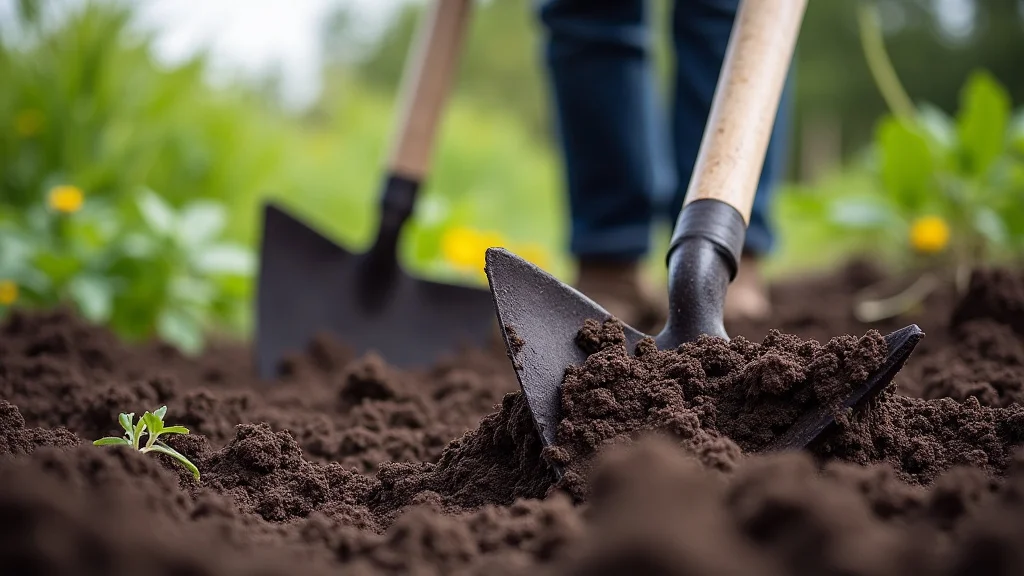
The other day, I was wrestling with a patch of stubborn weeds in my vegetable garden. Frustration mounted as my hand trowel barely scratched the surface. Then, I remembered my trusty hoe, tucked away in the shed. Within minutes, the weeds were gone, and the soil was ready for planting. This simple tool truly makes gardening easier! This post will help you learn the ins and outs of this essential gardening instrument. By the end, you’ll know how to choose the right hoe for your garden and how to use it effectively. This will help you to increase your gardening efficiency and reduce the time spent in your garden by a significant amount.
Key Takeaways
- Learn about the different types of hoes and their unique uses.
- Discover how to choose the best hoe for your gardening needs.
- Master the proper techniques for using a hoe to weed and cultivate your soil.
- Understand the importance of maintaining your hoe for longevity.
- Explore the safety precautions to take while using a hoe.
- Find out common mistakes to avoid while using a hoe.
Unearthing the Versatility of a Hoe
The hoe, a humble yet indispensable gardening tool, has been a companion to gardeners for centuries. Its simple design belies its versatility. It’s not just for weeding; it can also be used for soil preparation, cultivating around plants, and creating planting furrows. The design of the hoe, with its blade set at an angle to the handle, allows for efficient slicing and chopping actions. This makes it a far superior choice over other tools for several tasks, especially when dealing with a large gardening area or working for an extended duration.
Types of Hoes: A Gardener’s Arsenal
The world of hoes offers a surprising variety, each designed for specific gardening tasks and soil conditions. Choosing the right type of hoe can significantly impact your efficiency and the ease with which you work. There are several different hoe types, and it is important to know which is which before you begin.
- Draw Hoe: This is the classic, versatile type, ideal for general weeding and soil cultivation. The blade is at a right angle to the handle, and it’s pulled towards the user.
- Scuffle Hoe: Also known as a stirrup hoe, it features a double-edged blade that cuts weeds on both the push and pull strokes.
- Warren Hoe: This pointed-blade hoe is excellent for creating furrows and hilling soil around plants.
- Collinear Hoe: This hoe has a thin, angled blade ideal for working close to plants and slicing weeds.
The draw hoe is the quintessential gardening tool, often the first one that comes to mind when you picture a hoe. It’s characterized by its rectangular blade positioned at a right angle to the handle. Its purpose is to slice through weeds just below the soil surface or to turn over the top layer of soil. The blade can vary in width, allowing gardeners to select the size that best suits their needs. A wider blade is efficient for large areas, while a narrower one allows for more precise work around existing plants. The draw hoe is best used with a drawing motion, hence its name, allowing the gardener to remove weeds and prepare the soil with each pull. Its simplicity is its strength, offering an effective and straightforward approach to gardening tasks.
The scuffle hoe, or stirrup hoe, stands out due to its unique design, featuring a rectangular blade that pivots within a U-shaped frame. The blade is attached to the handle by a hinge, allowing for a back-and-forth cutting action. As the hoe is pushed and pulled across the soil surface, the blade moves to chop off weeds just below the surface. This type of hoe excels at surface weeding and is particularly useful in established gardens where you want to disturb the soil as little as possible. The scuffle hoe is most effective when used on a relatively even surface. Unlike the draw hoe, it does not have the primary capability to dig or prepare soil. Rather, it is designed for a skimming action that efficiently removes weeds without significant soil disturbance.
The Warren hoe, with its distinctive triangular or heart-shaped blade, serves a specialized role in the garden. Its pointed design is perfect for creating furrows for planting seeds, digging trenches for irrigation, or hilling soil around crops like potatoes and beans. This type of hoe is especially useful when precise soil manipulation is required. The pointed blade can easily penetrate the soil, making it suitable for both hard-packed and well-prepared soil conditions. The Warren hoe’s ability to shape the soil makes it a vital tool for those focused on creating organized rows and optimizing the growth environment for their plants.
The collinear hoe is designed for precision work, especially where the need is to work close to existing plants. Its blade is set at an angle to the handle, allowing for precise slicing and cutting action. This feature is particularly useful for weeding in tight spaces or near the stems of plants without damaging them. The thin blade of a collinear hoe makes it lightweight and easy to maneuver, even in dense garden beds. It is an excellent choice for a gardener who wants a tool to reduce the amount of unwanted plants without disturbing the established plants in the garden.
Factors for Choosing the Right Hoe
Selecting the right hoe goes beyond simply grabbing the first one you see. Considering several factors will ensure you choose the tool that best fits your gardening style and the specific needs of your garden. Proper selection enhances efficiency and reduces strain during gardening tasks.
- Blade Material: Carbon steel blades are durable and can be sharpened, while stainless steel blades resist rust.
- Handle Material and Length: Wood handles offer good shock absorption, while fiberglass or metal handles are often more durable and weather-resistant. Handle length impacts reach and the ergonomics of use.
- Soil Type: Consider the type of soil you have, as different hoes perform better in various soil conditions.
- Garden Size and Planting Style: A smaller garden might benefit from a versatile hoe, while a larger garden might require specialized tools.
The material of the blade is critical, as it determines durability, sharpness retention, and resistance to corrosion. Carbon steel is a popular choice for its ability to hold a sharp edge and its toughness. However, it requires proper care and maintenance to prevent rust, such as cleaning and oiling after each use. Stainless steel, on the other hand, is rust-resistant, making it a good option for gardeners who don’t want to spend too much time on maintenance. Though stainless steel blades may not hold an edge quite as long as carbon steel, they still provide excellent cutting performance.
The handle material impacts the comfort, durability, and weight balance of the hoe. Wooden handles, often made from ash or other hardwoods, offer excellent shock absorption, reducing strain on the user’s hands and arms. Fiberglass or metal handles are generally more durable and weather-resistant, able to withstand the elements without rotting or warping. The handle length is another crucial factor, as it determines the user’s reach and the posture required for the task. A handle that is too short can cause you to stoop, leading to back pain, while a handle that is too long might be difficult to control. The best length depends on your height and the type of tasks you perform most frequently.
Your soil type greatly influences the choice of hoe. For heavy clay soil, a draw hoe might be necessary to break it up effectively. The draw hoe’s strong blade can tackle dense soil. In contrast, for sandy or loamy soil, which is already loose, a scuffle or collinear hoe might be sufficient for surface weeding. The blade shape is designed for minimal soil disturbance. Consider the blade’s ability to cut through the soil effectively based on how easily or difficult the soil type is to work with.
The size and setup of your garden also play a huge role. For a small, densely planted garden, a collinear hoe could be the perfect choice. It is best used for smaller areas, as it allows for precision work around plants. For a larger vegetable garden, a draw hoe could be more efficient for broad weeding and soil preparation. The same applies when considering planting styles. Raised beds or rowed gardens often benefit from different hoes compared to those with a more naturalistic approach.
Mastering Hoe Techniques
Knowing how to use a hoe is more than just swinging it; it’s about technique. It requires understanding the motion, and force to use it effectively and efficiently. Correct use can lead to weed-free beds and a well-cultivated soil ready for planting.
Proper Hoeing Motion and Posture
The way you move and position yourself with a hoe is crucial to prevent fatigue and maximize efficiency. Proper technique involves minimal effort with the tool and maximum results.
- Draw Hoe Technique: Pull the blade towards you, slicing just below the soil surface to sever weed roots.
- Scuffle Hoe Technique: Push and pull the hoe across the surface to cut off weeds without disturbing the soil.
- Warren Hoe Technique: Use a chopping motion to create furrows or hill soil around plants.
- Collinear Hoe Technique: Sweep the angled blade to cut weeds close to plant stems.
The draw hoe technique is ideal for weeding and soil preparation. Stand with your feet shoulder-width apart, holding the hoe with a comfortable grip. Keeping your back straight, pull the hoe towards you with a smooth, controlled motion. The blade should slice just below the soil surface to sever weed roots. This method is most effective when the soil is slightly moist, as it allows for easier cutting. Overlap each stroke slightly to ensure no weeds are missed, and avoid digging too deep to prevent bringing up weed seeds from further down in the soil.
The scuffle hoe requires a more controlled, shallow action. Hold the hoe with a firm grip, and push and pull it across the soil surface. The blade should skim across the top, severing weed stems. This technique works best when weeds are small and the soil surface is relatively level. This method is preferred for established garden beds where you want to minimize soil disturbance. The goal is to slice the weeds, not dig into the soil, so the blade should make contact with the soil lightly.
The Warren hoe uses a downward, chopping motion to create furrows or shape soil. Hold the hoe with a firm grip and use the pointed blade to make shallow cuts. For furrows, drag the hoe along the ground to create a trough, then use it to create a mound for planting. This technique is often used to prepare rows for planting seeds or to hill soil around crops like potatoes. The sharp point allows for precise cuts and easy soil manipulation, making it ideal for shaping the garden bed.
The collinear hoe requires precision, especially when weeding near your plants. Hold the hoe with a light but firm grip. Sweep the angled blade along the soil surface, positioning it to slice weeds without damaging the desirable plants. This tool is exceptionally useful in tight spaces. You may need to approach from different angles to cut away weeds from all sides. Because the blade is very thin and angled, it can access areas that other hoes can’t.
Cultivating Soil and Weeding Effectively
The proper use of your hoe is essential for more than weed control. It also provides the ability to prepare the soil, leading to healthier plants. Cultivating also helps aerate the soil, allowing water and nutrients to reach the roots.
- Weeding Timing: The best time to hoe is when weeds are small and the soil is moist.
- Soil Cultivation: Break up compacted soil and create a loose surface for planting.
- Creating Furrows: Use the hoe to dig shallow trenches for planting seeds.
The timing of your weeding efforts can significantly impact their effectiveness. The best time to use a hoe is when weeds are small and actively growing. Young weeds are easier to eliminate because they have less-developed root systems. The soil being moist makes it easier to slice the weeds and uproot them. After rain or a light watering is often ideal. Hoeing after a dry spell may be less effective, as weeds can be tougher to dislodge. Regular weeding, starting early in the growing season, can prevent weeds from establishing and spreading.
Soil cultivation improves soil structure and promotes plant growth. The goal is to break up compacted soil, which hinders root development and water penetration, and create a loose surface ideal for planting. Use the hoe to chop and turn over the soil surface, approximately 1-2 inches deep. This loosens the soil, making it easier for roots to spread and for water and nutrients to reach them. As you cultivate, remove any large clumps of soil, breaking them down into smaller particles. Be careful not to cultivate too deeply, as this could bring dormant weed seeds to the surface.
Creating furrows is essential for direct sowing of seeds, helping in proper seed placement and moisture retention. Use the Warren hoe or the edge of a draw hoe to dig shallow trenches. The ideal depth depends on the type of seeds, as some seeds need to be planted deeper than others. The hoe’s blade should be angled to create a trench that’s just deep enough to accommodate the seeds. Plant the seeds in the furrow and cover them with soil, gently tapping it down to ensure good contact. This technique ensures that the seeds have the right environment to germinate and grow.
Maintaining Your Hoe for Longevity
Proper maintenance of your hoe is critical for ensuring its longevity and performance. Caring for the tool will extend its working life and keep it in peak condition. Regular maintenance also prevents unnecessary strain during gardening tasks.
Cleaning and Sharpening Your Hoe
Proper maintenance is as crucial as proper use. Cleaning and sharpening your hoe will maintain its sharpness and effectiveness. A clean hoe is less susceptible to rust and damage, providing optimal performance.
- Cleaning: After each use, remove soil and debris with a brush or scraper.
- Sharpening: Sharpen the blade regularly using a file or whetstone.
Cleaning your hoe is a simple yet crucial task. After each use, remove any soil, mud, or plant debris that might have accumulated on the blade. You can use a stiff brush, a scraper, or even an old toothbrush. For stubborn soil, rinse the blade with water or use a damp cloth. Make sure that you clean both sides of the blade, as well as the point where the blade is attached to the handle. A clean blade will cut more efficiently and prevent rust. Removing debris will also extend the tool’s lifespan and improve its performance.
Regular sharpening of your hoe’s blade will maintain its cutting efficiency. A dull blade requires more effort and may not cut weeds effectively. A sharp blade cleanly slices through weeds with minimal resistance. Use a metal file or a whetstone. When filing, hold the file at an angle to the blade. Work along the cutting edge to create a sharp, clean edge. For best results, consult the manufacturer’s recommendations or the specifications for your specific hoe. Regular sharpening will keep your hoe in excellent condition and make weeding and soil preparation much easier.
Storing and Protecting Your Hoe
Proper storage is essential. It protects the tool from damage and helps to maintain its condition between uses. Proper storage includes preventing rust and prolonging the life of your hoe.
- Storage: Store the hoe in a dry place to prevent rust.
- Protection: Apply a light coat of oil to the blade to prevent rust.
Proper storage is crucial for the longevity of your hoe. Store it in a dry place, such as a shed, garage, or garden storage container. Moisture is the enemy of garden tools, leading to rust. Make sure the storage area is well-ventilated to prevent moisture buildup. If you live in a humid climate, consider using a moisture-absorbing desiccant to keep the tool dry. Storing your hoe in a dry environment will prevent rust and corrosion, extending its life and maintaining its effectiveness.
Protecting the blade is critical. After cleaning and drying your hoe, apply a light coat of oil to the blade, which prevents rust and corrosion. You can use any lightweight oil, such as a lubricating oil or even a vegetable oil. Use a clean cloth to wipe the oil evenly across the blade’s surface. A thin layer of oil will protect the blade from moisture. Regularly applying oil will preserve the blade’s sharpness and keep the hoe in excellent condition, ensuring it will perform for years to come.
Avoiding Common Hoeing Mistakes
Even experienced gardeners can fall into a few common traps when using a hoe. Avoiding these mistakes will improve efficiency and protect both your plants and your tools.
Common Pitfalls to Avoid
Avoiding these common errors will significantly improve your efficiency. Knowing what to avoid prevents both frustration and potential damage to your garden.
- Hoeing too deeply: Avoid digging too deep, which can damage plant roots and bring up weed seeds.
- Using the wrong hoe for the job: Ensure you select the appropriate hoe type for the task at hand.
- Working in wet soil: Avoid hoeing in wet soil, as it compacts the soil and makes the process more difficult.
One of the most common mistakes is hoeing too deeply. Digging too far below the soil’s surface can damage the roots of your plants, hindering their growth. It can also bring weed seeds to the surface, which is counterproductive. The key is to hoe just below the soil surface, slicing through weed roots without disturbing the soil too much. Use a shallow, controlled motion. Your goal is to sever weed roots, not till the soil deeply. Regular, shallow hoeing is more effective at controlling weeds than occasional, deep hoeing.
Using the wrong hoe for a job is a common mistake that can lead to inefficiency. Different hoes are designed for specific tasks. For example, using a scuffle hoe on heavy soil can be ineffective. Using a draw hoe for surface weeding in an established bed might cause unnecessary disturbance. Familiarize yourself with the various hoe types and the tasks for which they are best suited. Selecting the correct tool will make your work easier. You will also get better results, saving time and energy. Understanding your gardening needs, like soil type, will help you select the right tool.
Hoeing in wet soil can lead to several problems. The soil is more prone to compaction when wet, which reduces its air and water penetration. Hoeing also becomes more difficult because the soil tends to stick to the blade. Additionally, hoeing wet soil can damage the soil structure, leading to a loss of essential nutrients and aeration. The best time to use your hoe is when the soil is slightly moist. Aim for the hours after light rain or a gentle watering, as these conditions make weeding and soil preparation much easier and more efficient.
Common Myths Debunked
Myth 1: Any hoe is good enough.
In reality, the right hoe for the job makes all the difference. Choosing the correct type based on your soil and gardening needs is essential for efficiency and the health of your plants.
Myth 2: You should till your garden deeply with a hoe to eliminate all weeds.
Deep tilling, in fact, can bring dormant weed seeds to the surface, causing a new wave of growth. Regular, shallow hoeing is more effective and less disruptive to soil structure.
Myth 3: You only need to hoe when you see visible weeds.
Waiting until weeds are visible means they’ve already begun to compete with your plants. Consistent, preventative hoeing helps keep weeds at bay before they can take hold.
Myth 4: A hoe is only for weeding.
The truth is, a hoe can also be used for various tasks, including cultivating the soil, creating furrows for planting, and hilling up plants.
Myth 5: All hoes require the same amount of maintenance.
Different types of hoes, and those made of different materials, have different needs. Carbon steel blades will need more maintenance than stainless steel ones to avoid rusting, for example.
Frequently Asked Questions
Question: What’s the best hoe for beginners?
Answer: A draw hoe is often recommended for beginners because of its versatility and ease of use.
Question: How often should I sharpen my hoe blade?
Answer: Sharpen your hoe blade as needed, but at least once per season, or whenever the blade feels dull.
Question: Can I use a hoe in a raised bed garden?
Answer: Yes, but choose a hoe appropriate for the raised bed. A collinear or scuffle hoe is generally preferred to avoid compacting the soil.
Question: How do I store my hoe for winter?
Answer: Clean the blade, apply a coat of oil, and store it in a dry shed or garage to prevent rust.
Question: Will a hoe remove all the weeds in my garden?
Answer: Consistent use of a hoe will keep your weeds under control. No tool can eliminate weeds completely. Ongoing attention and care are still needed.
Final Thoughts
The hoe, in its various forms, offers a direct path to a healthier, more productive garden. From the classic draw hoe to the specialized scuffle or Warren hoe, the right choice of tool can transform your approach to weeding and soil preparation. Mastering the techniques discussed, like proper posture and the correct motion for each type of hoe, is key to efficiency. Combine this knowledge with regular care, including cleaning, sharpening, and proper storage, and you will ensure your hoe remains a reliable partner for years. With the insights you’ve gained, you’re now equipped to choose, use, and maintain this essential gardening tool to reach the goal of a thriving garden! Get outside, get to work, and enjoy the fruits (and vegetables!) of your labor.