Best Gardening Tips for a Thriving and Beautiful Garden
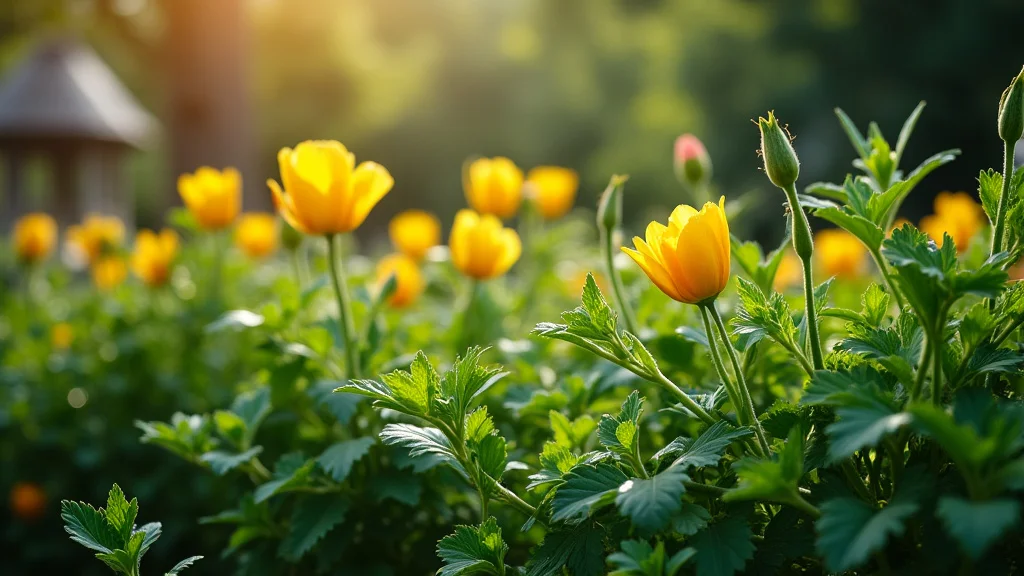
Remember that time you tried to grow tomatoes, and they ended up looking more like sad, shriveled little things instead of juicy red beauties? Or perhaps your roses never bloomed as vibrantly as you hoped? We’ve all been there! Gardening can feel like a puzzle, but with the right best gardening tips, you can create a gorgeous garden you can be proud of. This guide will give you practical advice to help you transform your outdoor space into a thriving haven. You’ll gain the skills to avoid common pitfalls, choose the right plants, and cultivate a garden that flourishes. Prepare to boost your confidence, save time, and enjoy the rewards of a truly spectacular garden. Your thumb will officially be green!
Key Takeaways
- Learn how to choose the right plants for your specific climate and space.
- Discover the secrets to preparing your soil for optimal plant growth.
- Understand the importance of proper watering and how to avoid common mistakes.
- Find out how to manage pests and diseases naturally, keeping your plants healthy.
- Gain knowledge on when and how to fertilize your garden for maximum blooms and yields.
- Get essential tips on garden design to make your garden visually appealing.
Selecting the Perfect Plants for Your Garden
The foundation of any successful garden begins with choosing the right plants. Selecting plants that thrive in your local climate and conditions is essential for their survival and beauty. Think about factors like sunlight, soil type, and average rainfall. Planting the wrong plants can lead to disappointment, stunted growth, and a garden that struggles to survive. Take some time to learn about your specific area and then select plant species that thrive in it. Local nurseries and gardening clubs are excellent resources for this information.
Understanding Your Local Climate
Before buying plants, analyze your local climate. Research your area’s USDA plant hardiness zone, which tells you the average minimum winter temperatures. This helps you select plants that can tolerate your region’s coldest spells. Also, consider the amount of sunlight your garden receives. Most plants need at least six hours of sunlight each day, but some prefer partial shade. Pay attention to how the sun moves across your garden throughout the day and observe how the sunlight affects your available spaces. Finally, assess your soil. Is it sandy, clay-based, or loamy? Different plants have different soil preferences, and adjusting the soil can be crucial.
- USDA Plant Hardiness Zone: Understanding your hardiness zone is key to success. Knowing this allows you to choose plants adapted to your winter temperatures. Use online resources or consult with a local nursery to find your zone.
- Sunlight Exposure: Assess how many hours of direct sunlight different parts of your garden receive. Many plants need at least six hours of sun, while others thrive in shade. Consider that the sun’s position changes with the seasons.
- Soil Conditions: Check your soil’s composition by performing a soil test. This will help you choose plants that match those specific conditions or the needed amendments.
Plant Selection Based on Space and Design
Consider the size and shape of your garden. A small space might be better suited for compact plants or container gardening, while a larger area allows for more diversity. When planning, consider how the plants’ mature sizes will impact your design. Planting a small sapling too close to a house may lead to future maintenance issues. Think about the overall aesthetic you want to achieve. Do you prefer a formal, structured garden or a more naturalistic, wild look? Different plants will help you achieve each style. Mixing diverse plants creates interesting textures and colors that can bring any garden to life. Consider how the plants will look throughout the seasons. Choosing plants with varied bloom times will ensure visual interest throughout the growing year.
- Space Constraints: Match plant sizes to your available space. Dwarf varieties are excellent for small gardens or containers. Climbing plants can save space when grown vertically.
- Design Preferences: Consider your preferred style. Formal gardens often feature symmetrical layouts and specific plant choices. Informal gardens are more free-flowing and can incorporate a wider range of plants.
- Seasonal Interest: Choose plants that offer visual appeal throughout the year. Combine plants with different bloom times, foliage colors, and textures.
Matching Plants to Your Experience Level
Beginner gardeners should consider plants that are relatively easy to care for and tolerate common mistakes. Consider starting with easy-to-grow vegetables such as lettuce, radishes, or beans. For flowers, consider starting with petunias, marigolds, and zinnias. As you gain confidence, you can explore more demanding plants. Research each plant’s specific needs before you purchase it. Look for plants labeled as “low-maintenance” or “easy care.” Use gardening guides and consult with experts to understand any special requirements or potential issues. Also, consider your available time. Plants that require less attention, such as succulents, might be a good choice if you have a busy lifestyle.
- Beginner-Friendly Choices: Start with easy-to-grow plants like lettuce, zinnias, and marigolds. They are more forgiving of mistakes and provide quick results.
- Research Plant Needs: Before planting, research the specific care requirements of each plant. Note light, water, and soil preferences to ensure success.
- Assess Time Commitment: Consider your available time for gardening. Some plants require more frequent watering, pruning, and fertilization.
Preparing Your Soil: The Secret to Thriving Plants
Healthy soil is the lifeline of any garden. It provides plants with nutrients, water, and air, supporting root growth and overall health. Preparing your soil correctly is one of the most important best gardening tips for a beautiful garden. This will dramatically affect how well your plants grow and flourish. By improving your soil, you provide the optimal environment for plant roots to establish themselves and absorb the essential elements they need to thrive.
Soil Testing and Amendment
The first step in soil preparation is conducting a soil test. This helps you identify your soil’s existing nutrient levels, pH, and organic matter content. Local agricultural extension offices or soil testing services offer these tests. Based on the results, you can amend your soil to correct any deficiencies or imbalances. Soil amendments can be organic, such as compost, aged manure, and leaf mold, or inorganic, such as perlite and vermiculite. Organic amendments improve soil structure, increase water retention, and add nutrients. Inorganic amendments can improve drainage and aeration. Remember to work these amendments into the soil to a depth of about 6-12 inches.
- Soil Testing: A soil test is important to know your soil’s composition and to identify any nutrient deficiencies. It also gives you the pH level which directly affects the availability of nutrients.
- Composting: Composting is one of the most useful best gardening tips to add nutrients and improve soil health. Add compost regularly to feed your plants naturally.
- Amendments: Add organic amendments like compost or aged manure to improve soil structure and water retention. Inorganic amendments like perlite can improve drainage.
Understanding Soil Types
Different soil types have unique characteristics that impact plant growth. Sandy soils drain quickly but don’t retain nutrients or moisture well. Clay soils hold water but can become compacted and prevent air circulation. Loam, a mix of sand, silt, and clay, is considered the ideal soil type because it balances drainage, aeration, and nutrient retention. Know your soil type and choose plants accordingly, or amend the soil to improve its characteristics. For sandy soils, add organic matter like compost to improve water retention. For clay soils, add organic matter and incorporate materials to improve drainage and aeration. Regular mulching can also protect the soil from the sun and reduce erosion.
- Sandy Soil: Drains quickly, requiring frequent watering and adding organic matter like compost to improve water retention.
- Clay Soil: Retains water and can become compacted. Amending with organic matter and improving drainage can make clay soils workable for many plants.
- Loam Soil: This is the ideal soil type. It’s a balance of sand, silt, and clay, offering good drainage, aeration, and nutrient retention.
Using Mulch Effectively
Mulching is a key technique in best gardening tips to protect the soil, conserve moisture, and suppress weeds. There are many mulch materials, including wood chips, shredded bark, straw, and compost. Apply a 2-4 inch layer of mulch around your plants, making sure to keep the mulch away from the plant stems to prevent rot. Mulch prevents water evaporation, reducing the need for frequent watering. It also moderates soil temperature, keeping the soil cooler in the summer and warmer in the winter. Mulch helps to suppress weed growth, decreasing your need for weeding. Choose the mulch material based on your preference and the needs of your plants. Wood chips are good for shrubs and trees, while straw is useful in vegetable gardens.
- Benefits of Mulch: Mulch conserves moisture, suppresses weeds, regulates soil temperature, and prevents soil erosion.
- Mulch Materials: Use wood chips, shredded bark, straw, or compost, depending on your needs.
- Application: Apply a 2-4 inch layer, keeping it away from plant stems to prevent rot.
Watering Wisely: Hydration for a Thriving Garden
Proper watering is critical to garden success. Water is essential for photosynthesis, nutrient transport, and plant growth. Overwatering and underwatering can be equally damaging. Establishing an effective watering routine is one of the essential best gardening tips for maintaining a healthy and vibrant garden. Consistent watering helps plants grow strong roots, produce healthy foliage, and achieve maximum blooms and yields. Knowing the specific watering needs of different plants, combined with careful observation, allows you to create an ideal environment for your garden to thrive.
Understanding Plant Water Needs
Different plants have varying water requirements. Some plants, like succulents and cacti, are drought-tolerant and need minimal watering. Others, like vegetables and many flowering plants, need regular watering. Research the specific water needs of your plants. Observe your plants for signs of water stress. Wilting leaves, yellowing foliage, and stunted growth are all indications that the plant is either not getting enough water or too much. Water deeply but infrequently, allowing the soil to dry slightly between waterings. This encourages deep root growth, making plants more drought-tolerant. Adjust your watering schedule based on weather conditions. You will need to water more frequently during hot, dry periods.
- Plant-Specific Needs: Research the water requirements of each plant in your garden.
- Signs of Water Stress: Observe your plants for wilting leaves, yellowing, and stunted growth.
- Watering Frequency: Water deeply but infrequently, allowing the soil to dry slightly between waterings to encourage healthy root growth.
Watering Methods and Techniques
There are several methods you can use to water your garden effectively. Hand watering with a hose is suitable for small gardens or individual plants. Soaker hoses are a great option for gardens and reduce water waste. Drip irrigation systems deliver water directly to the plant roots, minimizing water loss due to evaporation. Consider the type of plants you are growing and your budget when choosing a watering method. Water your garden early in the morning, which reduces water loss through evaporation. Avoid watering in the heat of the day, as this can cause the water to evaporate before the plants can absorb it. Direct water at the base of the plants, avoiding wetting the foliage whenever possible to reduce the risk of diseases.
- Hand Watering: Suitable for small gardens and individual plants, using a hose or watering can.
- Soaker Hoses: Efficient for garden beds, delivering water slowly at the base of plants.
- Drip Irrigation: The most efficient method, delivering water directly to the roots and minimizing water waste.
Avoiding Common Watering Mistakes
Overwatering and underwatering are common mistakes that can harm your garden. Overwatering can lead to root rot, fungal diseases, and a lack of oxygen for the roots. Underwatering can cause plants to wilt and stunt their growth. To avoid these issues, check the soil moisture before watering. Stick your finger into the soil to a depth of about an inch. If the soil feels dry, it’s time to water. Be aware of the weather and adjust your watering schedule as needed. During periods of drought, water more frequently. During rainy periods, reduce watering. Make sure your garden has adequate drainage. Plants in containers, for example, need drainage holes to prevent waterlogging.
- Check Soil Moisture: Check the soil moisture before watering. Insert your finger into the soil to a depth of an inch. If it feels dry, it’s time to water.
- Watering Schedule: Adjust watering based on weather conditions. Water more frequently during dry spells and less when it rains.
- Drainage: Ensure adequate drainage in your garden. This is particularly important for plants grown in containers.
Managing Pests and Diseases Naturally
Protecting your garden from pests and diseases is essential for maintaining plant health and productivity. The use of natural methods helps you minimize the use of harmful chemicals while still keeping your plants healthy. Employing natural pest and disease control also promotes a balanced ecosystem in your garden, encouraging beneficial insects and other organisms. Learning these best gardening tips will help you avoid problems, and ensure your garden thrives.
Identifying Common Pests and Diseases
Being able to identify common garden pests and diseases is the first step in effective management. Common pests include aphids, spider mites, caterpillars, and slugs. Inspect your plants regularly for signs of infestation, such as holes in leaves, discolored foliage, or the presence of insects. Common diseases include fungal infections like powdery mildew, black spot, and rust. Look for symptoms such as spots, blotches, or a white, powdery coating on the leaves. Knowing the identity of the pest or disease allows you to implement targeted control measures. Local agricultural extension offices and garden centers can offer resources to identify specific garden problems and their solutions.
- Common Pests: Aphids, spider mites, caterpillars, and slugs are common garden pests.
- Common Diseases: Powdery mildew, black spot, and rust are common fungal diseases.
- Regular Inspection: Inspect plants regularly for signs of infestation or disease.
Using Natural Pest Control Methods
Several natural pest control methods can help protect your garden without using harsh chemicals. Handpicking pests like caterpillars and slugs is effective for small infestations. Introducing beneficial insects, such as ladybugs, lacewings, and parasitic wasps, can control pests naturally. These beneficial insects feed on pests or parasitize them. Using insecticidal soap or neem oil is a low-impact method. These are derived from natural sources and can control a variety of pests. Employing companion planting, where you plant certain plants together to help each other, can also help. For example, planting marigolds can deter nematodes, and planting basil can help repel aphids. Be aware that these control measures may need to be repeated.
- Handpicking: Remove pests like caterpillars and slugs by hand.
- Beneficial Insects: Introduce ladybugs, lacewings, and other beneficial insects to control pests.
- Natural Sprays: Use insecticidal soap or neem oil to control pests.
Preventing and Treating Diseases Naturally
Preventing diseases is often easier than treating them. Providing good air circulation is key. Space plants adequately, and prune them to ensure air can circulate freely. Water plants at the base to avoid wetting the foliage, which can promote fungal growth. Regularly inspect plants for signs of disease and remove any infected leaves or plant parts. In the case of fungal diseases, use natural fungicides. Solutions like baking soda mixtures or sulfur-based products are safe for the environment. Ensure proper sanitation by cleaning up fallen leaves and debris. This can reduce the spread of disease-causing organisms. Also, practice crop rotation to prevent diseases from building up in the soil.
- Good Air Circulation: Space plants adequately and prune them to ensure air can circulate freely.
- Watering at the Base: Water plants at the base and avoid wetting the foliage.
- Natural Fungicides: Use baking soda mixtures or sulfur-based products to treat fungal diseases.
Fertilizing for Bountiful Blooms and Harvests
Fertilizing is a key aspect of successful gardening, providing plants with the essential nutrients they need to grow and flourish. Fertilizers supply the nutrients missing from the soil. They are critical for robust plant growth, vibrant blooms, and bountiful harvests. Learning these best gardening tips can help you boost your yields and enhance the beauty of your garden. Proper fertilization ensures that your plants get the nutrients they need, which also boosts their resistance to disease and pests. This can lead to a healthier and more productive garden.
Understanding Plant Nutrient Needs
Plants require various nutrients for optimal growth. Nitrogen (N) is essential for leafy growth. Phosphorus (P) promotes root development and flowering. Potassium (K) supports overall plant health and disease resistance. These three elements, referred to as NPK, are the main nutrients listed on fertilizer labels. In addition to NPK, plants need other essential nutrients like calcium, magnesium, and micronutrients. Nutrient deficiencies can cause various symptoms, such as yellowing leaves, stunted growth, or poor flowering. Recognizing these deficiencies allows you to select the appropriate fertilizer to correct the issue. Different plants have different nutrient needs. Research the specific requirements of your plants before you fertilize them.
- Nitrogen (N): Promotes leafy growth.
- Phosphorus (P): Essential for root development and flowering.
- Potassium (K): Supports overall plant health and disease resistance.
Choosing the Right Fertilizers
There are many types of fertilizers available, including organic and synthetic options. Organic fertilizers, like compost, manure, and fish emulsion, release nutrients slowly and improve soil health. They are often a great choice for long-term soil health. Synthetic fertilizers provide nutrients quickly, which can result in a more rapid boost in growth. However, they may not improve soil structure and can leach into the soil. Consider the type of plants you are growing and your gardening goals. Some are better for specific types of plants. Choose a fertilizer that matches the needs of your plants. Follow the instructions on the fertilizer label carefully to avoid over-fertilizing, which can harm your plants. Consider the soil type and your existing conditions. Amend the soil as needed before planting.
- Organic Fertilizers: Compost, manure, and fish emulsion release nutrients slowly and improve soil health.
- Synthetic Fertilizers: Provide nutrients quickly but may not improve soil structure.
- Fertilizer Labels: Carefully follow instructions to avoid over-fertilizing.
Fertilizing Techniques and Timing
The method and timing of fertilization depend on the type of fertilizer you are using and the plants you are growing. Fertilizers can be applied through various methods. Broadcast fertilizers are spread evenly over the soil surface. Side-dressing involves applying fertilizer along rows of plants. Foliar feeding involves spraying fertilizer directly onto the leaves. The timing of fertilization is also important. Fertilize before planting, or at the beginning of the growing season, to provide nutrients for plant growth. For annuals, you can fertilize throughout the growing season. For perennials, you should fertilize at the start of the season. Avoid fertilizing during periods of drought or extreme heat. Also, remember to water thoroughly after fertilizing to help the nutrients reach the plant roots.
- Fertilizing Methods: Broadcast, side-dressing, and foliar feeding.
- Fertilizing Timing: Fertilize at the start of the growing season or before planting.
- Watering After Fertilizing: Water thoroughly after fertilizing to help the nutrients reach the roots.
Designing Your Dream Garden: Layout and Aesthetics
Garden design is a blend of artistry and practicality, determining the look and feel of your outdoor space. A well-designed garden is not only beautiful but also functional, offering a pleasant environment to relax and enjoy. The process of garden design involves planning, selecting plants, and arranging elements like pathways and structures. It’s a key aspect in the best gardening tips to ensure your space meets your needs and reflects your personal style. Understanding fundamental design principles and applying them can create a garden that is both stunning and functional.
Planning Your Garden Layout
Begin with a plan. Draw a sketch of your garden space. Consider the location of existing features such as trees, buildings, and utilities. Evaluate the sunlight, shade, and wind patterns in your garden. This will influence your plant choices and the placement of different garden elements. Divide your garden into zones or sections based on their purpose and characteristics. For example, you might create separate areas for vegetables, flowers, and a seating area. Consider the pathways. Plan for pathways that are wide enough for easy movement, and consider different materials like gravel, paving stones, or mulch. Also, remember to allow space for plant growth. Consider the mature sizes of plants when placing them. A well-planned garden layout enhances the beauty and functionality of your space.
- Sketching: Draw a plan of your garden space.
- Sun and Shade: Evaluate sunlight, shade, and wind patterns to determine plant placement.
- Zones and Pathways: Divide your garden into zones and plan for pathways.
Incorporating Design Elements
Incorporating design elements can transform an ordinary garden into an extraordinary space. Choose a specific style or theme for your garden. Options include formal, cottage, Japanese, or contemporary designs. Use the style to guide plant selections, materials, and features. Experiment with different textures. Combine plants with varied leaf shapes, sizes, and colors. Use hardscape elements, such as fences, walls, and structures, to add interest and create definition. Use focal points to draw the eye. Place a beautiful tree, sculpture, or water feature to anchor the space. Also, consider the use of color. Use a palette of colors that complements each other. Create contrast and interest by using different colors. Proper placement and use of elements and colors create visual harmony.
- Garden Styles: Choose a style or theme, such as formal, cottage, Japanese, or contemporary.
- Textures: Combine plants with varied leaf shapes, sizes, and colors.
- Focal Points: Place a tree, sculpture, or water feature to draw the eye.
Enhancing Aesthetics with Plants and Accessories
Plant selection and accessories can dramatically enhance your garden’s aesthetics. Select plants with different heights, forms, and textures to create visual interest. Combine flowering plants with foliage plants to create a balance of color and texture. Use repetition to create harmony. Repeat certain plant types or design elements throughout your garden to tie the space together. Accessories such as garden ornaments, containers, and furniture add personality and charm. Choose accessories that complement your garden style and the plants you have selected. Place lighting strategically to highlight features and extend your enjoyment of the garden into the evening. A thoughtful selection of plants and accessories creates a garden that is both beautiful and functional.
- Plant Selection: Choose plants with different heights, forms, and textures.
- Repetition: Repeat certain plants or design elements.
- Accessories: Add garden ornaments, containers, and furniture.
Common Myths Debunked
Myth 1: You need a green thumb to garden.
In reality, anyone can garden! While some people may have a natural aptitude, gardening is a skill that can be learned and developed over time. With access to knowledge, you can achieve the same results as anyone else. Research, practice, and patience are more important than a “green thumb”. Start with easy plants, and slowly build your knowledge.
Myth 2: Watering daily is essential for plant health.
This is often untrue. Overwatering is just as harmful as underwatering. Most plants need deep but infrequent watering, allowing the soil to dry slightly between waterings. Watering frequency depends on the plant, soil type, and weather conditions. Check the soil’s moisture before watering. Proper watering techniques support healthier root systems and reduce the risk of diseases.
Myth 3: All pests must be eradicated immediately.
Not all insects are pests. Many insects are beneficial, such as pollinators and those that prey on other pests. A healthy garden includes a balanced ecosystem. Natural methods of pest control, such as beneficial insects or insecticidal soap, are often better than harsh chemicals. Consider the long-term impact on your garden ecosystem.
Myth 4: Expensive fertilizers produce the best results.
Expensive fertilizers are not always necessary. The best fertilizer is one that meets the specific needs of your plants and soil. The choice of fertilizer depends on your soil, plants, and goals. Often, organic fertilizers like compost or aged manure are just as effective and improve soil health. Do your research to determine what your plants need.
Myth 5: Gardening is only possible in full sunlight.
Many plants thrive in partial shade or even full shade. Shade gardens offer a wide variety of plant options. The type of plants depends on their specific light requirements. Research plants that thrive in shade or partial sun, and you can create a diverse and beautiful garden. Consider the orientation of your space and the amount of sunlight it receives.
Frequently Asked Questions
Question: How often should I water my plants?
Answer: Water deeply but infrequently, usually when the top inch of soil is dry. The frequency depends on the plant type, weather, and soil conditions.
Question: What’s the best way to improve soil drainage?
Answer: Adding organic matter like compost, or amendments such as perlite or vermiculite, improves soil drainage.
Question: Should I prune my plants?
Answer: Pruning promotes healthy growth, flowering, and fruiting. Prune plants at the appropriate time of year for their species.
Question: How do I control weeds naturally?
Answer: Mulching, hand-pulling, and using organic weed killers help control weeds naturally. Maintain a healthy, dense garden to keep weeds out.
Question: What’s the best time to fertilize plants?
Answer: Fertilize plants at the start of the growing season or during periods of active growth. Follow the fertilizer label instructions.
Final Thoughts
Mastering the best gardening tips is a rewarding experience, transforming your outdoor space into a thriving sanctuary. From selecting the right plants and preparing your soil to understanding watering and pest control, each step contributes to the health and beauty of your garden. You’ve explored practical methods for choosing plants that flourish in your area, and the art of soil preparation through the use of composting and amendments. You now have a stronger comprehension of watering techniques, as well as the benefits of natural pest control. You also have the skills to fertilize, and have learned some of the fundamentals of garden design. By consistently applying these concepts, you’ll be well on your way to enjoying the rewards of a gorgeous, bountiful garden. So, grab your gloves, get out there, and start creating the garden of your dreams!