A Gardening Tool’s Guide: Selection, Use, and Maintenance
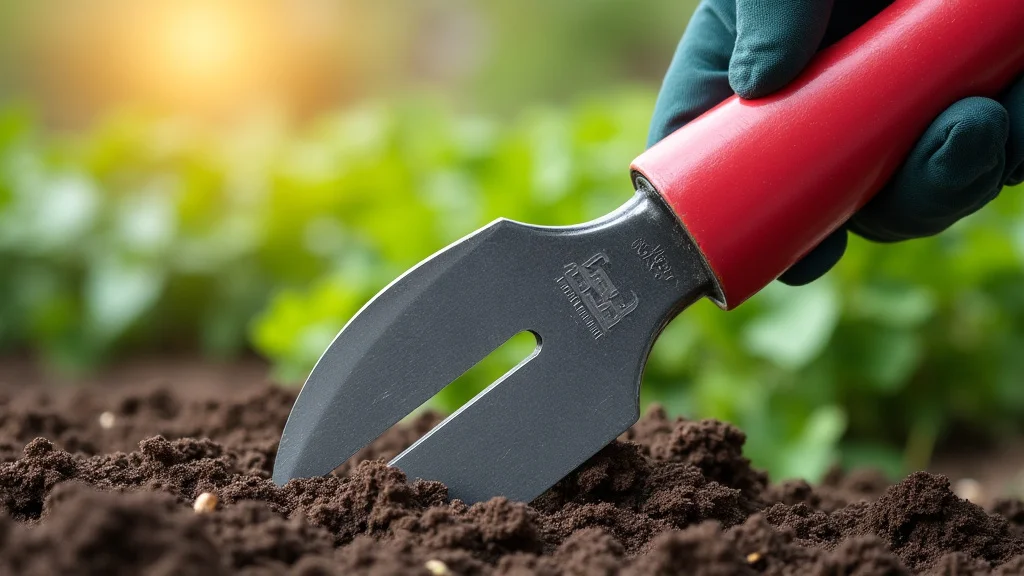
Remember that time you tried to plant those tomato seedlings with a spoon? It wasn’t pretty. Soil went everywhere, the roots got damaged, and the whole operation was a muddy disaster. We’ve all been there! Choosing the right gardening tool can make a world of difference. This post is your comprehensive guide, designed to help you select the perfect gardening tool for your needs, learn how to use it effectively, and keep it in top shape. You’ll gain practical insights and easy-to-follow advice, transforming your gardening experience from a struggle into a joy. Let’s get growing!
Key Takeaways
- Learn to identify the best gardening tools based on your garden’s needs.
- Discover the correct techniques for using various gardening tools to maximize efficiency.
- Understand the importance of tool maintenance to extend their lifespan.
- Find out how to choose the right gardening tool for different soil types and tasks.
- Explore safety tips to protect yourself while using gardening equipment.
- Gain tips on storing your gardening tools to keep them organized and accessible.
Choosing the Right Gardening Tool for Your Needs
Selecting the appropriate gardening tool is the first and perhaps most critical step towards a successful gardening experience. Different tools serve different purposes, and choosing the right ones can significantly impact your efficiency and the health of your plants. From digging and weeding to pruning and harvesting, there is a tool designed to help you with every gardening task. This section breaks down the essentials, ensuring you have the right equipment for any job in your garden.
Essential Hand Tools for Every Gardener
Every gardener, from the novice to the seasoned pro, needs a core set of hand tools. These tools are the workhorses of the garden, handling the majority of tasks with precision and ease. They are perfect for smaller plots, container gardens, and detailed work around plants. Their compact size makes them ideal for tasks where precision is key.
- Trowel: A trowel is a small, hand-held tool with a curved blade and a handle. It’s used for digging small holes, transplanting seedlings, and scooping soil. It’s your go-to for planting, moving small plants, and adding amendments. A good quality trowel will be sturdy and comfortable to hold.
- Hand Rake: This tool features a small head with tines. It is designed for smoothing soil surfaces, removing small debris like leaves and twigs, and preparing seedbeds. A hand rake is essential for maintaining a clean and neat garden.
- Hand Fork: A hand fork is a small, three or four-pronged tool used for loosening soil, mixing in compost, and aerating the soil around plants. It’s perfect for working in tight spaces and around plant roots.
- Weeder: Weeders come in various shapes and sizes. They are designed for removing weeds, either by pulling them out by the roots or by cutting them off below the surface. These are excellent for eliminating weeds in a fast and efficient way.
The trowel is a cornerstone of any gardener’s tool kit. It is specifically made for precision work. They are perfect for planting small bulbs, gently transplanting seedlings, or adding fertilizer directly to plant roots.
The hand rake’s primary purpose is to level the soil surface. Use it to create a smooth, even surface before planting seeds or laying down mulch. It’s also great for gathering leaves and small debris.
The hand fork is an indispensable tool for working the soil in confined areas. It helps break up compacted soil. It is also useful for gently lifting plants and separating roots. It is designed to be gentle while still doing the work.
A weeder, such as a dandelion weeder or a weeding knife, is a specialized tool for targeting weeds. It can be a simple bent-handled tool or a more complex design. These are essential for keeping your garden weed-free and your plants healthy.
Larger Tools for Efficient Gardening
While hand tools are great for smaller tasks, larger tools are designed for efficiency and speed when dealing with bigger projects. These tools are essential for larger gardens, raised beds, or when dealing with significant amounts of soil and material. Using them correctly can make garden maintenance less time-consuming and more manageable.
- Spade: A spade is a flat-bladed tool with a handle used for digging, turning soil, and edging. It’s ideal for larger planting projects and for breaking up compacted soil. A sharp spade can make the difference between an easy job and a frustrating one.
- Shovel: Similar to a spade, a shovel has a curved blade that is excellent for moving soil, compost, and other materials. Its design makes it ideal for scooping and lifting, making it a valuable tool for filling wheelbarrows or spreading mulch.
- Garden Fork: The garden fork, also known as a pitchfork, is used for turning over soil, mixing in compost, and aerating the soil in larger areas. Its tines are excellent for breaking up compacted soil and lifting bulky material like hay or manure.
- Wheelbarrow: The wheelbarrow is an essential tool for transporting soil, compost, mulch, and other materials around the garden. It saves time and energy, allowing you to move heavy loads with ease.
The spade is a larger, more robust version of a trowel. It is perfect for breaking up soil, digging trenches, and turning over the soil in a larger area. They are durable, and allow for efficient work in the garden.
The shovel is the ideal tool for moving large quantities of material. This might be soil, mulch, or compost. Its curved blade is designed for scooping and lifting, making it efficient for various tasks. It makes large garden tasks manageable.
The garden fork, with its long tines, is designed for aerating and turning over large areas of soil. It is ideal for incorporating compost, breaking up clumps, and preparing the ground for planting. It is great for working large quantities of soil.
A wheelbarrow simplifies the transport of heavy materials. This could include soil, compost, or even harvested produce. It saves your back and time, making gardening tasks easier. There are different sizes and models of wheelbarrows.
Specialized Tools for Specific Tasks
Depending on the type of gardening you do, you may need specialized tools to make particular tasks easier. These are designed for specific purposes, such as pruning, harvesting, or specialized planting. They provide the precision and efficiency needed for unique gardening tasks.
- Pruning Shears: These are used for cutting branches and stems of plants. They come in different types, including bypass shears (for clean cuts) and anvil shears (for thicker, deadwood). Pruning shears are critical for maintaining the health and shape of your plants.
- Loppers: Loppers are long-handled pruning shears used for cutting larger branches that are too thick for hand shears. They provide extra leverage, making it easier to cut through wood. They are great for reaching higher branches.
- Hedge Shears: Hedge shears are used for trimming and shaping hedges and shrubs. They have long blades and are excellent for making flat, even cuts across a surface. They help maintain the neatness of your garden.
- Harvesting Tools: These include tools like fruit pickers and harvesting knives. Fruit pickers allow you to harvest fruit from high branches without climbing. Harvesting knives are used for cutting vegetables and herbs.
Pruning shears come in various styles, including bypass and anvil shears. They are essential for removing dead or damaged plant material. They are critical for shaping plants. It encourages new growth.
Loppers have long handles that provide increased leverage for cutting thicker branches. They are great for cutting branches that are too high to reach or too thick for hand pruning shears. These tools make the work easier.
Hedge shears are designed to shape and trim hedges, giving them a tidy appearance. They have long blades. They are used for making level cuts. These are great for maintaining the look of your garden.
Harvesting tools are essential for gathering your produce. Fruit pickers make harvesting easier. Harvesting knives are used for cutting vegetables, herbs, and other harvests.
Using Your Gardening Tool Correctly
Knowing how to use a gardening tool correctly is as important as choosing the right one. Proper technique can significantly increase your efficiency, reduce the risk of injury, and ensure you achieve the best results in your garden. This section explores the proper use of essential gardening tools and provides tips to help you master these techniques.
Techniques for Safe and Effective Use
Safety should always be your top priority. Using tools correctly, while keeping your body safe, helps prevent injury and makes gardening more enjoyable. Proper posture and technique ensure that you can work for longer periods without undue strain.
- Digging and Planting: When digging with a spade or trowel, maintain a straight back and bend at your knees. Use your body weight to drive the tool into the soil and lift the soil, rather than straining your back. When planting, make sure the hole is the correct depth and width for the plant’s roots.
- Weeding: Use a weeder or hand fork to remove weeds at the root, ensuring the entire weed is removed to prevent regrowth. Use the right tool for the job. Use a hoe to remove weeds in large areas, and pull weeds from damp soil.
- Pruning: When pruning, use sharp, clean shears or loppers to make clean cuts. Cut at a slight angle just above a bud or branch to promote healthy growth. Pruning at the proper angle and location will prevent the spread of disease.
- Using a Wheelbarrow: Load the wheelbarrow evenly to maintain balance, and push it from behind with a straight back. Avoid overloading the wheelbarrow, which can make it difficult to control and maneuver.
Proper digging technique is crucial for back health. Using your legs and core, rather than your back, will prevent strain. The planted area should be appropriately sized for the root ball.
Remove weeds as soon as you see them to prevent them from spreading. Using the right tool will help you remove weeds effectively, without damaging your desired plants. Try to remove the root system.
Pruning requires sharp tools and careful technique. Make cuts at a slight angle. This will help prevent disease and promote healthy growth. This process is important to make plants look nice.
When using a wheelbarrow, proper technique minimizes strain. Keeping the load balanced is critical. Try to avoid overloading the wheelbarrow for a safe and easy experience.
Tool-Specific Tips and Tricks
Every tool has its best practices for optimal results. Understanding these specifics allows you to maximize the tool’s effectiveness. These methods will help you get the most out of your tools and will also help you create a better gardening experience.
- Trowel: Use a trowel for planting bulbs, transplanting seedlings, and adding soil amendments. Angle the trowel to the right depth and gently release the roots. When planting, be sure not to damage roots.
- Rake: Use a rake to level the soil surface before planting. Rake in straight lines. This can help create a seedbed that is even and ready for planting. A rake is a great way to tidy a garden.
- Hoe: A hoe is great for removing weeds and creating furrows. Swing the hoe in a controlled manner, keeping the blade parallel to the soil surface. This will help create a tidy garden bed.
- Pruning Shears: Use pruning shears to make clean cuts on branches. Hold the shears properly. This will allow for a smooth and even cut.
The trowel is best suited for small, precision tasks. Proper handling will help you create a healthy environment. Take care with the roots.
Use the rake to prepare the ground for planting or to maintain a tidy appearance. Its gentle action is ideal for smoothing soil. Regular raking prevents compaction.
Use the hoe to remove weeds and prepare the soil for planting. Its sweeping action makes weeding large areas easier. The hoe is great for getting weeds out of a garden bed.
Pruning shears should be kept sharp and clean for effective use. Proper pruning encourages healthy plant growth and prevents disease. Make sure your shears are in good condition.
Maintaining Your Gardening Tool
Regular maintenance is important for the longevity and performance of your gardening tool. A well-maintained tool is more effective and safer to use. Proper care prevents rust, keeps tools sharp, and ensures they are always ready for use. This section gives you tips to keep your tools in excellent condition.
Cleaning and Storage Techniques
Keeping your tools clean and storing them properly is an important part of tool maintenance. Cleaning prevents the spread of disease and rust. Proper storage extends the life of your tools and keeps them ready for use. Follow these techniques to ensure you get the most out of your tools.
- Cleaning After Use: After each use, wipe down your tools with a damp cloth to remove soil, sap, and other debris. This prevents corrosion and the spread of plant diseases. Cleaning is a necessary part of the process.
- Sharpening Blades: Sharpen blades regularly using a file or whetstone. Dull blades require more effort and can damage plants. Sharpening is important for safety and efficiency.
- Rust Prevention: Store tools in a dry place. Apply a light coat of oil to metal parts to prevent rust. Ensure you are ready for the next time you garden.
- Proper Storage: Store tools in a shed, garage, or tool rack. Keep them organized to make them easy to find. Proper storage will keep your tools in good condition.
Regular cleaning is an easy step that significantly prolongs the life of your tools. After use, make sure you clean off any dirt or sap.
Sharp blades are crucial for pruning and cutting. Regular sharpening makes the tools more efficient and safer to use.
Preventing rust will help your tools last longer. Protecting your tools from moisture is important for preventing rust.
Proper storage makes tools easy to find and helps keep them in good condition. A well-organized storage area makes your gardening more enjoyable.
Extending the Life of Your Tools
Taking care of your tools not only helps them function at their best but also significantly extends their lifespan. Regular upkeep and careful use help you get the most out of your tools. Follow these tips to keep your tools in top shape and ready for any gardening job.
- Regular Inspection: Inspect your tools regularly for any signs of damage, such as loose handles or cracked blades. Address problems immediately to prevent further damage. Regularly checking your tools is critical.
- Lubrication: Lubricate moving parts, such as the hinges of pruning shears and loppers, to keep them working smoothly. Lubrication is essential for functionality and longevity. Lubrication ensures your tools perform as designed.
- Handle Maintenance: Check wooden handles for splinters or cracks and replace them as needed. Tighten loose screws and bolts on metal-handled tools. Handle maintenance ensures the tools are safe to use.
- Seasonal Maintenance: At the end of the gardening season, give your tools a thorough cleaning, sharpening, and oiling. Store them properly for the winter to protect them from the elements. Seasonal maintenance prepares the tools for storage.
Regular inspections prevent small issues from becoming major problems. These inspections are an important part of keeping the tools in good condition. Regular inspection can also help with safety.
Regular lubrication keeps the tools moving smoothly and prevents rust. Choose a lubricant suitable for gardening tools. Lubrication is an important part of the tool maintenance process.
Keeping handles in good condition makes tools safer and more comfortable to use. Replace handles. Tighten screws and bolts as needed. These steps will also help increase the tool’s longevity.
Preparing tools for storage is important for their longevity. A seasonal maintenance regimen keeps tools in good condition. They will be ready to go when spring arrives.
Common Myths Debunked
Myth 1: You need expensive tools to have a great garden.
Reality: While high-quality tools can be a great investment, you don’t need to spend a fortune to get started. The essential tools, such as a trowel, hand rake, and a good pair of pruning shears, are relatively inexpensive and will cover most of your basic gardening needs. The most important factor is choosing the right tools for your specific needs, rather than the price tag. Focus on quality, even if it means buying fewer tools at the start.
Myth 2: Cleaning tools is a waste of time.
Reality: Cleaning your gardening tool after each use is a vital part of maintaining them. Removing soil, sap, and other debris prevents corrosion and helps keep your tools in good working order. More importantly, it prevents the spread of plant diseases. A simple wipe-down can prevent cross-contamination and protect the health of your plants. This is a simple but key part of gardening.
Myth 3: You can use any type of oil to prevent rust.
Reality: While oiling your tools to prevent rust is good practice, it’s important to use the right kind of oil. Many gardeners prefer a food-grade mineral oil, which is safe to use around plants and is non-toxic. Avoid using motor oil or other types of oil that may contain harmful chemicals. This practice ensures your tools are rust-free and keeps your garden safe.
Myth 4: Sharpening tools is difficult.
Reality: Sharpening tools is a simple skill that can be easily learned. Many sharpening tools and tutorials are available, making it easy to keep your blades sharp and efficient. A dull blade can make gardening tasks harder. Regular sharpening makes gardening more effective.
Myth 5: It’s okay to store tools outside if they’re covered.
Reality: Even covered, storing tools outside can expose them to the elements. Moisture, fluctuations in temperature, and sunlight can still lead to rust and damage. Storing tools inside a shed, garage, or even a covered porch is the best way to protect them from the elements and extend their lifespan. Protect your investment in quality gardening equipment.
Frequently Asked Questions
Question: How often should I sharpen my pruning shears?
Answer: Sharpen your pruning shears before each season. Depending on use, you may need to sharpen them more frequently.
Question: What’s the best way to remove rust from my tools?
Answer: Use steel wool or a wire brush to remove rust. After removing the rust, apply a coat of oil.
Question: What’s the best material for garden tool handles?
Answer: Wood handles are good for shock absorption, while metal and fiberglass handles are durable.
Question: How can I tell if a tool is of good quality?
Answer: Look for tools made from durable materials, with solid construction, and comfortable grips.
Question: Can I use household cleaners to clean my tools?
Answer: It’s best to avoid household cleaners, as they can damage your tools. Use soap and water.
Final Thoughts
From the simple trowel to the sturdy spade, the right gardening tool is an essential companion for any gardening adventure. The path to a thriving garden begins with careful selection, proper use, and consistent maintenance of your tools. Remember that choosing the correct tools for your garden’s unique requirements is paramount. Take the time to master the correct techniques for efficient and safe use. Clean your tools after each use and follow a regular maintenance routine. Doing this will not only extend the lifespan of your tools but also transform gardening from a chore into a joy. Get out there, explore your garden, and enjoy the fruits of your labor!