5 Gardening Tools Every Gardener Needs to Thrive
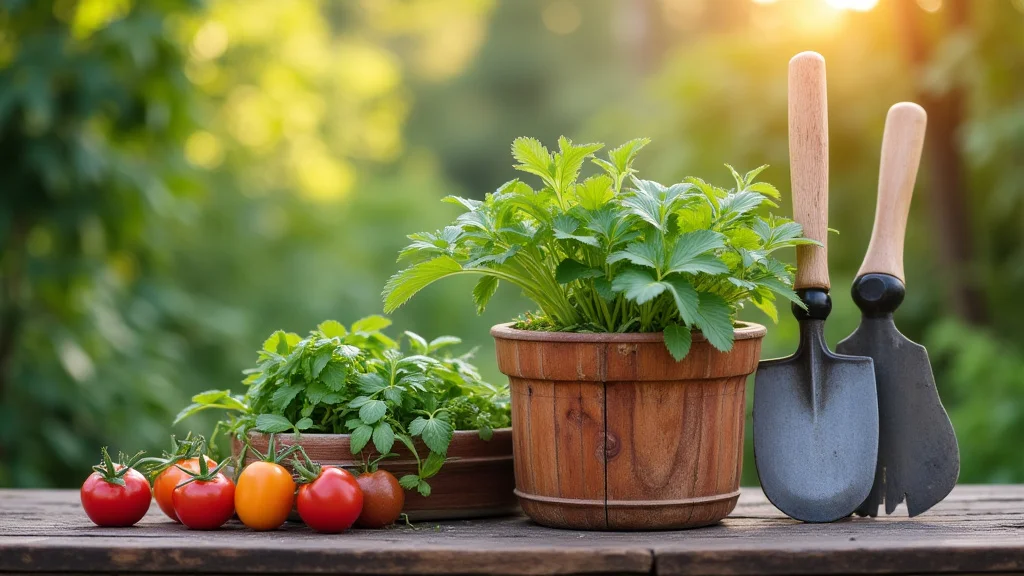
Remember that time you tried to transplant a rose bush with a flimsy trowel? The roots were a tangled mess, and you ended up with more dirt on your hands than in the hole. Gardening can be wonderfully rewarding, but it can also be frustrating without the right equipment. This post is all about equipping you with the essential 5 gardening tools to make your gardening experience significantly easier and more enjoyable. You’ll learn which tools are indispensable, how to use them effectively, and why they’re vital for a thriving garden, greatly improving your gardening skills. By the end, you’ll be able to confidently select, use, and maintain these basic gardening tools, building a strong foundation for any gardening project.
Key Takeaways
- Discover the five core tools every gardener needs for success.
- Learn the best uses for each tool, from planting to pruning.
- Understand the importance of choosing the right tools for the job.
- Find out how to maintain your gardening tools for longevity and performance.
- Get practical advice on tool selection based on your gardening needs.
- Improve your overall gardening efficiency and effectiveness.
Essential 5 Gardening Tools for Beginners
Every gardener, whether a seasoned pro or a weekend hobbyist, knows that the right tools are essential for a successful and enjoyable gardening experience. Selecting the appropriate 5 gardening tools ensures that you can effectively perform various tasks, from preparing the soil to harvesting your bounty. Using the correct tools reduces physical strain, prevents damage to plants, and enhances the overall efficiency of your gardening efforts. These are fundamental items, the cornerstones of any well-equipped garden shed. They’re useful for different tasks and help in a variety of ways.
The Trowel: Your Planting Partner
The trowel is a small, hand-held tool typically made of metal or plastic, featuring a scoop-shaped blade and a handle. It is one of the most fundamental of the 5 gardening tools. The trowel’s primary function is for digging small holes for planting seedlings, transplanting small plants, and scooping soil. Its compact size and maneuverability make it perfect for precision work, such as loosening soil around roots, filling pots, and weeding in tight spaces. A good trowel should feel comfortable in your hand, with a sturdy blade that can withstand some pressure without bending.
- Planting Seedlings: Use the trowel to dig a hole that matches the root ball of your seedling, ensuring the plant has enough room to grow.
- Transplanting Small Plants: Carefully dig around the plant’s roots with the trowel, lifting it from the ground with minimal disturbance to the root system.
- Weeding: The trowel’s pointed tip is useful for digging out weeds, especially those with deep roots.
- Filling Pots and Containers: Employ the trowel to scoop soil from the bag to the pot, making the process less messy and more precise.
Consider this scenario: You’re starting a small herb garden in containers. Without a trowel, you’d struggle to efficiently fill each pot with soil and carefully plant your delicate seedlings. A quality trowel makes this task significantly easier and helps you avoid damaging the plants.
The Hand Fork: Loosening the Soil
The hand fork is a small, three or four-tined tool ideal for turning and loosening soil in small areas and removing weeds. It’s an indispensable addition to the 5 gardening tools lineup. This tool assists in aerating the soil to improve drainage and allowing plant roots to grow more easily. Its compact size makes it perfect for working in raised beds, flowerbeds, and around established plants where larger tools are impractical. Hand forks are also great for mixing compost or other soil amendments. The effectiveness of a hand fork relies on the strength and shape of its tines, and the comfort of the handle.
- Loosening Compacted Soil: Gently work the hand fork into the soil to break up clumps and create air pockets.
- Mixing Soil Amendments: Use the fork to incorporate compost, fertilizer, or other amendments into the soil.
- Weeding: The tines can be used to lift weeds from the soil, including those with shallow roots.
- Aerating Around Roots: Carefully work the fork around the roots of established plants to improve oxygen flow.
Picture this: Your soil is particularly compact, and your seedlings are struggling. A hand fork enables you to quickly and easily break up the soil, providing the conditions your plants need to flourish. This tool can also be used to remove rocks and other debris before planting.
The Garden Hoe: Weed Warrior
The garden hoe is a long-handled tool with a flat, blade-like head, designed to cultivate soil and remove weeds. It’s a foundational component of the 5 gardening tools required to maintain a well-kept garden. Hoes come in various styles, including the classic draw hoe, which is pulled toward the user, and the push-pull hoe, which can be used in both directions. The effectiveness of a hoe depends on the quality of the blade, the length of the handle, and how comfortable it feels. A well-maintained hoe can make quick work of weeding tasks and assist in soil preparation.
- Weeding: Use the hoe to slice weeds just below the soil surface, preventing them from regrowing.
- Soil Preparation: Employ the hoe to break up compacted soil and create a smooth surface for planting.
- Ridging: Use the hoe to create rows or ridges for planting vegetables.
- Mulch Application: Some hoes can also be used to move and spread mulch evenly around plants.
Consider this example: You have a large vegetable patch that’s overrun with weeds. A well-wielded hoe becomes your ally in the fight against unwanted growth, saving you hours of backbreaking labor. The right hoe can significantly enhance your gardening capability.
The Pruning Shears: Shaping Your Plants
Pruning shears, also known as secateurs, are hand-held cutting tools used to trim and shape plants. Pruning is vital for the health and appearance of many plants, making pruning shears a crucial part of any gardener’s collection of 5 gardening tools. There are two main types: bypass shears, which have a scissor-like action, and anvil shears, which have a blade that cuts against a flat surface. Bypass shears are generally preferred for making clean cuts on live, green wood, while anvil shears are more suitable for dead wood. Choosing the right size and type of pruning shears is important for both the health of the plant and the ease of use for the gardener.
- Removing Dead or Diseased Branches: Prune away any dead, diseased, or damaged branches to improve plant health.
- Shaping Plants: Use shears to maintain the desired shape and size of shrubs, hedges, and other plants.
- Encouraging Growth: Pruning can stimulate new growth and encourage flowering.
- Harvesting: Use shears to harvest fruits, vegetables, and flowers.
Imagine this scenario: Your rose bushes are overgrown, and their blooms are few and far between. With a pair of pruning shears, you can selectively cut away old growth, promoting new growth and abundant flowering. Pruning shears are critical for maintaining the shape and health of many plants.
The Garden Hose and Sprayer: Watering Wisely
A garden hose with a spray nozzle is essential for providing water to your plants. This completes the set of the 5 gardening tools and ensures your plants receive the moisture they need to thrive. A good-quality hose should be durable, flexible, and resistant to kinks. A spray nozzle lets you adjust the water flow from a gentle shower to a focused stream. Watering correctly is vital for plant health; overwatering and underwatering can be harmful. The ability to control the water volume and direction can make the job of watering easier and more efficient.
- Watering Plants: Use the hose and nozzle to deliver water directly to the roots, where it’s needed most.
- Washing Plants: The spray can be used to wash away dust, debris, and pests from plant foliage.
- Fertilizing: Some sprayers can be attached to a fertilizer dispenser, allowing you to feed your plants while watering.
- Cleaning Garden Tools: Use the hose to rinse dirt and debris from tools after use, helping them last longer.
Consider this: You are trying to establish a new lawn, and consistent watering is critical. A garden hose with a spray nozzle allows you to effectively and efficiently water a large area. It also helps prevent water waste.
Choosing the Right Tools for Your Garden
Selecting the appropriate 5 gardening tools is critical for the success and ease of gardening. The best tools are durable, comfortable to use, and suited to the specific tasks you’ll be performing. Quality often equates to value, so invest in tools that are well-made and designed to last. Consider the size of your garden, the type of plants you’re growing, and the tasks you’ll be doing most often when making your selections. The wrong tools can make gardening more difficult and less enjoyable.
Assessing Your Garden’s Needs
Before buying any tools, assess your garden’s specific requirements. Think about the size of your garden, the types of plants you plan to grow, and the frequency of your gardening activities. A small balcony garden will have different tool requirements than a large vegetable patch or flowerbed. The variety of plants will also influence your choice of tools. Knowing the tasks you’ll perform, such as weeding, planting, or pruning, will help you prioritize your tool purchases and ensure you have what you need.
- Garden Size: Small gardens require fewer, more compact tools, while larger gardens may benefit from long-handled tools.
- Plant Types: Different plants have different pruning and watering requirements.
- Frequency of Tasks: Frequent weeding requires a good hoe, whereas occasional pruning means pruning shears may be less critical.
- Soil Type: Compact clay soil might require a sturdier hand fork or hoe.
Here’s an example: If your garden is mostly container plants, you’ll focus on trowels, hand forks, and watering cans, and a hoe might not be as important.
Material Matters: Tool Construction
The materials used to make your 5 gardening tools greatly affect their durability, performance, and longevity. Look for tools made from high-quality materials such as stainless steel, which is resistant to rust and corrosion. Handles made of wood, fiberglass, or metal offer durability and comfort. The joints and connections should be strong to withstand the force required for gardening tasks. Quality construction ensures your tools will last for years, saving you money and frustration.
- Blades: Stainless steel resists rust and stays sharp longer.
- Handles: Wood provides a natural grip; fiberglass is lightweight and durable; metal is strong.
- Connections: Rivets and welds should be strong and secure.
- Weight and Balance: Choose tools that feel comfortable and balanced in your hand.
Consider this: A trowel with a sturdy, rust-resistant stainless steel blade will outperform a cheaper model with a thin, easily bent blade.
Prioritizing Ergonomics and Comfort
When selecting your 5 gardening tools, prioritize comfort and ergonomics to reduce strain and make gardening more enjoyable. Tools with comfortable handles that fit well in your hand can prevent blisters and fatigue. Lightweight tools can make prolonged gardening tasks less tiring. Features like padded grips and adjustable handles can enhance your experience. Consider your physical limitations and choose tools that are easy for you to handle, as this will result in more enjoyable and sustainable gardening.
- Handle Design: Look for handles that fit your hand size and have a good grip.
- Weight: Lighter tools are easier to maneuver for long periods.
- Grip: Padded or ergonomic grips can reduce strain.
- Adjustability: Adjustable handles can be adjusted for height.
Here’s a practical example: If you have arthritis, choose tools with thick, cushioned handles that reduce stress on your joints.
Maintaining Your Gardening Tools
Proper maintenance of your 5 gardening tools is essential for their longevity and optimal performance. Regular cleaning, sharpening, and storage ensure your tools remain in good working order for years to come. Taking the time to care for your tools also makes gardening more enjoyable and efficient. Regular maintenance minimizes the risk of rust, corrosion, and damage, and keeps your tools ready when you need them.
Cleaning and Sharpening Your Tools
Regular cleaning and sharpening are key to maintaining the effectiveness of your 5 gardening tools. After each use, wipe off dirt and debris with a cloth or brush. For tools that have been used in wet soil, rinse them thoroughly and dry them to prevent rust. Sharpen blades regularly using a file or sharpening stone. A sharp blade makes pruning, cutting, and digging easier and cleaner, which also helps prevent plant diseases. Cleaning and sharpening is an ongoing process that is critical for extending the life of your tools.
- Cleaning: Wipe off dirt and debris after each use.
- Rinsing: Rinse tools in water to remove soil and prevent corrosion.
- Drying: Ensure tools are completely dry before storing.
- Sharpening: Sharpen blades regularly with a file or sharpening stone.
Consider this scenario: After using your pruning shears, wipe them down to remove sap and plant debris. A clean blade will cut more easily and avoid transmitting diseases to other plants.
Proper Storage for Longevity
Proper storage is crucial for prolonging the life of your 5 gardening tools and keeping them organized and accessible. After cleaning and drying your tools, store them in a dry place, such as a garden shed, garage, or tool rack. Hanging tools, especially long-handled ones, can help to save space and prevent damage. Protect blades by covering them with blade guards or sheaths. Proper storage keeps your tools protected from the elements, prevents rust, and makes them easier to find when you need them.
- Dry Location: Store tools in a dry shed or garage.
- Hanging: Hang long-handled tools to save space and prevent damage.
- Blade Protection: Use blade guards or sheaths for added safety.
- Organization: Keep tools organized to make them easy to find.
Here’s an example: Store your garden hose in a hose reel to prevent kinking and damage.
Rust Prevention and Repair
Preventing rust and performing minor repairs can extend the lifespan of your 5 gardening tools significantly. To prevent rust, clean and dry your tools after each use and store them in a dry place. Apply a light coat of oil or lubricant to the metal surfaces periodically. If rust appears, remove it with a wire brush or steel wool. For minor repairs, like replacing a handle, consider seeking professional assistance. Addressing rust and damage promptly prevents them from worsening and saves on replacement costs.
- Oil/Lubricant: Apply to metal parts to prevent rust.
- Rust Removal: Use a wire brush or steel wool to remove rust.
- Handle Replacement: Replace broken handles.
- Professional Help: Seek assistance for major repairs.
Imagine this: You notice a small amount of rust on your trowel. Remove it immediately and apply a protective oil to prevent it from spreading.
Common Myths Debunked
Myth 1: Expensive Tools Are Always Better
Many gardeners believe that investing in the most expensive 5 gardening tools guarantees the best results. However, quality doesn’t always correlate with price. While well-made tools are important, the most expensive tools aren’t always the best fit for every gardener. It’s often more beneficial to choose tools that suit your needs and are comfortable to use. Look at the materials, construction, and ergonomics, not just the price tag.
Myth 2: You Need Every Tool Ever Made
Some feel overwhelmed by the vast array of gardening tools and feel the need to buy everything to be a good gardener. However, you don’t need every tool to be successful. Starting with the 5 gardening tools and adding as you need them is often the best strategy. Over time, you might discover additional specialty tools, but focus on the essentials first to prevent clutter and unnecessary expenditure.
Myth 3: You Can’t Garden Without Power Tools
The assumption is that gardening requires power tools, but this isn’t always true. While power tools can be useful for large-scale gardening or certain specialized tasks, they aren’t essential. Many gardening tasks can be accomplished effectively and enjoyably with manual tools. The 5 gardening tools are a great start for any gardener. Manual tools offer a more intimate connection with the garden and are often just as effective.
Myth 4: Old Tools Are Useless
There’s a belief that old tools are always inferior to new ones, leading to their discard. However, many older tools, especially those made before mass production, are crafted from high-quality materials and can last for decades. Often, a bit of cleaning, sharpening, and restoration can restore an old tool to excellent working condition. Old tools can add charm and history to your gardening practices, providing a durable and sometimes superior alternative.
Myth 5: It Doesn’t Matter What Tools You Use
Some gardeners underestimate the impact of using appropriate 5 gardening tools on their overall experience. This belief that tools are interchangeable can lead to inefficient work, plant damage, and discomfort. Using the right tools for each task improves efficiency, reduces strain, and ensures the best results for your plants. Proper tool selection is a fundamental aspect of successful gardening.
Frequently Asked Questions
Question: What’s the best way to clean my trowel after using it?
Answer: After use, wipe off excess soil and debris with a brush or cloth. Rinse the trowel with water, making sure to remove all traces of dirt and chemicals. Dry the trowel thoroughly to prevent rust and corrosion.
Question: How often should I sharpen my pruning shears?
Answer: Sharpen your pruning shears whenever you notice that the cuts are no longer clean. If your shears are struggling to cut cleanly through stems, it’s time to sharpen them. For regular use, consider sharpening them at the start and end of the growing season.
Question: Is it necessary to oil my garden tools?
Answer: Applying a light coat of oil to the metal parts of your garden tools, particularly those that are exposed to moisture, is an excellent way to prevent rust and prolong their lifespan. Do this regularly, especially before storing your tools for a longer period.
Question: Can I use any type of hose for my garden?
Answer: While you can use any hose, it is ideal to use a garden hose made of durable, flexible material that can withstand kinks and resist the effects of weather. A good hose also comes with a spray nozzle that allows you to control the water flow.
Question: How do I store my long-handled tools?
Answer: The best way to store long-handled tools, like hoes and rakes, is to hang them on a wall or tool rack. This keeps them off the ground, protects the heads, and helps organize your gardening space. Ensure the storage area is dry.
Final Thoughts
Now that you’ve explored the world of the 5 gardening tools, you’re well-equipped to start or enhance your gardening journey. Remember, the trowel is your planting partner, the hand fork loosens the soil, the garden hoe takes care of weeds, pruning shears shape your plants, and the garden hose waters wisely. Choosing the right tools, maintaining them properly, and understanding their functions are the cornerstones of successful gardening. The right set of tools, coupled with some patience and a bit of know-how, can transform any patch of earth into a vibrant and productive space. Take the time to select high-quality tools that feel comfortable and suit your needs. Remember to clean and maintain your tools after each use, store them properly, and sharpen blades when needed. Your garden will thank you for it!