1hr Per Day Gardening: Maximize Your Green Space Success
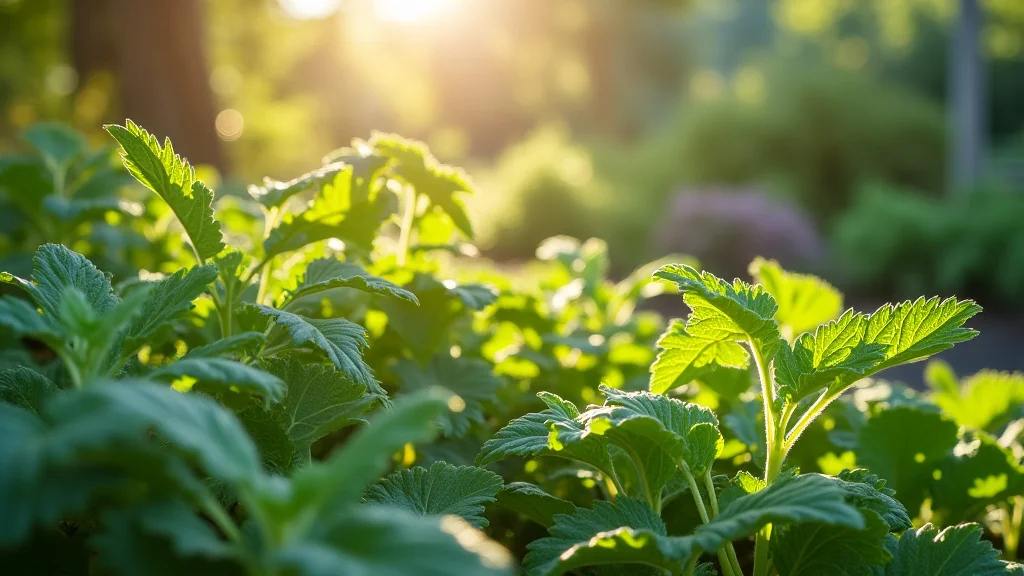
Picture this: It’s Saturday morning, the sun is shining, and you dream of a vibrant garden, but your schedule feels packed. You’re thinking, “I just don’t have the time!” Sound familiar? The good news is, you don’t need hours to cultivate a beautiful and thriving garden. This guide focuses on 1hr per day gardening tips, showing you how to achieve amazing results with just a little time each day. We’ll explore efficient techniques, clever strategies, and smart planning to transform your outdoor space. You’ll gain practical knowledge, inspiration, and the confidence to start or improve your gardening experience. Prepare to revolutionize your approach to gardening and enjoy the fruits of your labor!
Key Takeaways
- Learn how to structure your 1hr per day gardening tips routine for maximum efficiency.
- Discover practical techniques to get the most out of every gardening minute.
- Understand the importance of planning and its impact on your gardening success.
- Explore time-saving strategies to minimize tasks and maximize output.
- Find out how to choose the right plants to match your time commitment.
- Master how to maintain your garden effectively with just an hour of work.
Effective Planning for a Thriving Garden
The foundation of any successful garden, even one built around 1hr per day gardening tips, is careful planning. Starting without a solid plan often leads to wasted time, resources, and disappointment. You need to consider several factors before you even touch a spade. This initial preparation allows you to make informed decisions about your garden’s design, plant selection, and the allocation of your limited time.
Assessing Your Available Space
Before you even think about planting, assess your garden’s size, sunlight, and soil conditions. This information is key to deciding which plants will thrive. Understanding how much sunlight different areas of your garden receive throughout the day helps you select plants that match those needs. Areas that get six or more hours of direct sunlight are ideal for sun-loving plants like tomatoes and peppers. Areas with less sunlight are suitable for shade-tolerant plants such as leafy greens and herbs.
- Measure Your Space: Accurately measure the dimensions of your garden beds and the overall outdoor area. This helps you calculate planting density and plan your layout.
- Evaluate Sunlight: Observe your garden throughout the day to determine how much sunlight different areas receive. Note the amount of direct sunlight and the areas that remain in shade.
- Test Your Soil: Conduct a soil test to determine its composition, pH level, and nutrient content. This information informs decisions on soil amendments and plant selection.
Knowing your space’s exact dimensions prevents overcrowding and ensures each plant has room to grow, which in turn leads to healthier plants and a more attractive garden. It also helps when you’re figuring out how many plants you can fit in your garden.
Accurate sunlight data ensures that you place sun-loving plants in sunny spots and shade-tolerant plants in shadier areas. This approach maximizes plant health and growth potential, giving you the best possible outcomes for your 1hr per day gardening tips approach. It is an excellent use of your limited time.
Testing your soil is key to understanding its current health and what it needs to support plant growth. Soil tests provide vital information such as acidity levels, nutrient deficiencies, and the presence of harmful substances. This allows you to tailor your soil preparation efforts, leading to healthier plants and more productive harvests. You can easily find soil testing kits at garden centers or hire a professional to conduct the test.
Designing Your Garden Layout
With an understanding of your space, now it’s time to create your garden’s layout. Consider functionality and aesthetics. Plan for pathways, water sources, and plant arrangements that maximize space and access. A well-designed garden layout makes it easier to manage your garden within the 1hr per day gardening tips timeframe.
- Choose a Layout: Determine the layout of your garden beds. Consider raised beds, in-ground rows, or a combination. The layout should maximize your space and be easy to navigate.
- Plan Pathways: Incorporate pathways to move around the garden easily. Pathways should be wide enough to allow for access with gardening tools and equipment.
- Consider Water Sources: Locate your water source and plan your watering strategy. Place plants that need the most water closer to the source to save time.
The design of your layout will influence the overall productivity and aesthetic appeal. Raised beds, for example, can make it easier to manage soil quality and drainage. Rows can be beneficial for specific planting arrangements. The correct layout optimizes the use of space and facilitates easier gardening within your one-hour schedule.
Well-placed paths make it much easier to move around your garden, especially when you are trying to keep things manageable. The design should take into account the size of your garden, the type of plants, and your personal preferences. Clear pathways keep the garden clean and make your 1hr per day gardening tips more efficient.
A convenient water source saves you time and energy, allowing you to quickly and easily water your plants without having to haul water from a distance. Consider installing a drip irrigation system or placing a rain barrel near your garden to enhance efficiency. Good water planning makes your 1hr per day gardening tips easier.
Selecting the Right Plants
Choosing the right plants is absolutely essential for a successful garden, especially when you are focused on 1hr per day gardening tips. You need to pick plants that align with your available time, the local climate, and the conditions of your garden. Select varieties that are low-maintenance, drought-tolerant, and relatively pest-resistant.
Prioritizing Low-Maintenance Plants
Opt for plant varieties that require minimal care, such as less pruning, fertilization, and pest control. These plants should also be able to tolerate common issues like drought and temperature changes. This strategy will help you stay within your one-hour time limit and still have a beautiful, thriving garden.
- Select Drought-Tolerant Plants: Plants that can withstand dry conditions reduce your watering workload and save time. Examples include lavender, sedum, and coneflowers.
- Choose Pest-Resistant Varieties: Planting pest-resistant varieties minimizes the time spent on pest control. Look for plants that are naturally resistant to common garden pests and diseases.
- Pick Self-Sowing Plants: Self-sowing plants spread naturally, reducing the need for replanting and maintenance. Examples include cosmos, calendula, and forget-me-nots.
Drought-tolerant plants minimize the need for frequent watering, a major time-saver for anyone practicing 1hr per day gardening tips. These plants have adapted to thrive with little moisture, making them ideal for busy gardeners. This means more time enjoying the garden and less time managing it.
Pest-resistant plants reduce the need for constant monitoring, treatment, and potential damage repair, all of which are time-consuming. They also reduce the reliance on chemical treatments. This saves time and supports a healthier garden ecosystem.
Self-sowing plants naturally spread in your garden, reducing the time you need to spend on planting and maintenance. They also increase the biodiversity of your garden, attracting beneficial insects and creating a more balanced ecosystem.
Planting Considerations for Your Schedule
Match your plant selections to the seasonal conditions and your gardening goals. Determine which plants will thrive best in your location. Consider planting times and the care requirements for each plant to ensure your 1hr per day gardening tips work well.
- Consider Your Climate Zone: Plant what thrives in your region. Research the climate and growing conditions of your area to select plants that are most likely to survive and flourish.
- Stagger Planting Times: Plan planting times to ensure you have a continuous harvest or bloom throughout the season. This distributes the workload and maximizes your time in the garden.
- Choose Compact Varieties: Select compact varieties of vegetables and flowers. These varieties often require less space, pruning, and maintenance.
Knowing your climate zone helps you select the plants that will grow best in your garden. This knowledge is important for the survival and growth of your plants, and it also saves you time and resources by preventing the need for frequent replanting or extra care.
Staggering planting times allows for a continuous harvest or bloom throughout the gardening season. You can plant multiple crops of fast-growing vegetables at intervals, or select plants that bloom at different times, to maintain a vibrant, active garden year-round, without adding too much work to your 1hr per day gardening tips routine.
Compact varieties of plants are ideal for those who are managing their gardens with limited time. They often require less maintenance, like pruning, and take up less space. This can make your garden more manageable and visually appealing.
Efficient Gardening Techniques for an Hour
The secret to successful gardening in just one hour per day is adopting efficient methods. Using your time wisely can make a real difference in the quality and output of your garden. Strategic gardening approaches make the most of every minute. Prioritize activities that have a big impact and avoid tasks that are not as crucial.
Time-Saving Watering Strategies
Watering is a critical task, but it doesn’t need to take up a significant amount of your precious time. Implementing efficient watering strategies will reduce your workload. Consider using methods that deliver water directly to the plant roots, which is more effective. This will save water and protect your plants.
- Use Drip Irrigation: Installing a drip irrigation system delivers water directly to the roots of your plants, minimizing water waste and reducing the time spent watering.
- Install a Rain Barrel: Collect rainwater in a rain barrel to supplement your watering efforts. This also reduces your water bill and supports sustainable gardening practices.
- Water in the Morning: Water your garden in the early morning hours to reduce water evaporation and prevent fungal diseases. This allows the plants to absorb the water more efficiently.
Drip irrigation systems are incredibly efficient. They are designed to deliver water directly to the roots. This reduces water waste, prevents disease by keeping foliage dry, and saves time by automating the watering process. By investing in this system, you can reduce the amount of time you need to spend watering while still ensuring your plants get the water they need.
Using a rain barrel provides a cost-effective and environmentally friendly way to water your garden. Rainwater is free, and it is also ideal for plants, as it lacks the chemicals found in tap water. Installing a rain barrel not only saves you money but also reduces your environmental impact. This is an easy way to contribute to water conservation efforts and free up your time for other gardening tasks.
Watering early in the morning prevents water loss due to evaporation. Watering in the early morning is best because it reduces water loss. This also allows the plants to absorb the water more efficiently, while keeping the foliage dry throughout the day. This helps prevent fungal diseases and reduces the need for frequent watering. This is a simple adjustment to make your 1hr per day gardening tips schedule more effective.
Effective Weed Control Methods
Weeds can quickly take over a garden, but a few simple techniques can keep them under control. Regular weeding and the use of preventative measures will save time. This ensures that your valuable plants thrive and your garden looks its best.
- Mulch Your Garden Beds: Apply a layer of organic mulch to suppress weeds, retain moisture, and improve soil health. This will significantly reduce weeding time.
- Weed Regularly: Make weeding a regular part of your gardening routine. Even a few minutes of weeding each day prevents weeds from becoming a major problem.
- Use Weed Barriers: Use landscape fabric or other weed barriers to prevent weeds from growing in the first place. This is especially helpful in areas where weeds are a persistent problem.
Mulching is a straightforward method that significantly minimizes weeding, conserves water, and enriches the soil. By applying a layer of organic material like wood chips or straw, you can suppress weed growth by blocking sunlight. Mulch also helps the soil retain moisture, cutting down on the need for frequent watering. As it decomposes, it enriches the soil, enhancing plant health and making your 1hr per day gardening tips routine more efficient.
Weeding regularly, even if it is just a few minutes a day, will prevent weeds from becoming an overwhelming problem. By weeding frequently, you catch the weeds early, when they are easier to remove and have not yet spread seeds. Consistent weeding reduces the effort needed later and keeps your garden tidy.
Weed barriers are an important tool in the fight against weeds. They prevent weeds from growing in the first place, saving time and effort on weeding. By installing weed barriers, you create a physical barrier between the soil and weed seeds. This technique is especially useful in areas prone to weed infestations, providing a low-maintenance approach to garden care, while supporting your 1hr per day gardening tips approach.
Smart Pruning and Maintenance Strategies
Pruning, trimming, and other maintenance tasks are essential for the health and appearance of your garden. Careful planning and technique will make these tasks less time-consuming. These strategies can help make the most of your 1hr per day gardening tips regime.
- Prune Strategically: Prune plants during the appropriate season and time of day to promote healthy growth and flowering. Only prune what is necessary to save time.
- Deadhead Flowers: Regularly remove spent flowers to encourage new blooms and maintain a tidy appearance. This also helps many plants direct energy into new blooms instead of seed production.
- Clean Up Regularly: Remove fallen leaves, dead plants, and other debris to prevent pests and diseases. Regular cleanup keeps your garden looking its best.
Pruning is essential for maintaining the health and appearance of your plants. Pruning during the right season and time of day promotes healthy growth, flowering, and fruiting. Prune strategically by removing only dead, damaged, or overcrowded branches. Correct pruning techniques promote air circulation, which helps prevent diseases and pest infestations. This ensures your plants remain healthy and vibrant.
Deadheading, or removing spent flowers, is an effective way to maintain a tidy appearance and stimulate more blooms. When you remove spent flowers, the plant redirects its energy into producing new flowers rather than producing seeds. This method also helps extend the blooming period, providing a longer display of color. This also enhances your garden’s aesthetic appeal, and it is a simple yet effective practice that can easily fit into your 1hr per day gardening tips routine.
Regular garden cleanup, like removing fallen leaves and other debris, prevents pests and diseases from becoming established in your garden. This prevents diseases from spreading and provides a cleaner environment for plants. Regularly cleaning also helps maintain the garden’s overall aesthetic appeal. This simple task can be easily incorporated into your 1hr per day gardening tips regime.
Maximizing Your Time
To succeed with your 1hr per day gardening tips, optimizing your gardening time is essential. Making every minute count involves careful planning, smart choices, and focusing on tasks that deliver the most benefits. This strategy creates a thriving garden while efficiently managing your time.
Creating a Realistic Schedule
A well-defined schedule is the key to incorporating gardening into a busy routine. Plan your gardening tasks, and allocate specific times for each activity. Sticking to a schedule will allow you to maintain your garden effectively while balancing other commitments.
- Set Specific Times: Designate a specific time each day or week to work in your garden. This creates a routine and helps you prioritize gardening.
- Break Down Tasks: Divide larger gardening tasks into smaller, manageable chunks. This makes the work seem less overwhelming and allows you to focus on one thing at a time.
- Prioritize Tasks: Focus on the most essential tasks each day, such as watering, weeding, or harvesting. This ensures that the most important aspects of your garden are taken care of.
Setting specific times for gardening activities helps you make it a regular part of your schedule, making it easier to stick to your 1hr per day gardening tips approach. It is easier to prioritize gardening when you know when you are going to work in the garden. This could be early in the morning, during your lunch break, or after work.
Breaking down gardening tasks into smaller, more manageable pieces is crucial for your 1hr per day gardening tips strategy. This approach prevents feelings of being overwhelmed and allows you to focus on one specific task at a time. This could include dividing your tasks across different days or weeks, depending on the job. This helps you get more done without feeling pressured to spend too much time in the garden.
Prioritizing tasks ensures that you use your limited time on what is most important for your garden. Watering, weeding, and harvesting should be your key focus when you are working with a limited time schedule. Addressing the most urgent needs first will help your plants thrive and maximize the benefits of your 1hr per day gardening tips approach.
Using Efficient Tools and Techniques
The right tools and techniques can make a significant difference in how effectively you can spend your limited time. Invest in high-quality, efficient tools to perform tasks faster. Using effective methods will maximize your output.
- Invest in Quality Tools: Invest in essential, high-quality gardening tools that are durable and easy to use. This makes tasks easier and more efficient.
- Optimize Workflows: Organize your tools and materials for easy access. Plan your tasks so that you are working efficiently.
- Learn Efficient Techniques: Research and use the most efficient gardening techniques for specific tasks. For example, learn how to weed quickly.
High-quality tools reduce the effort required for various gardening tasks, which is especially important with your 1hr per day gardening tips approach. Durable and ergonomic tools are also more efficient. They are designed to withstand regular use and reduce strain, allowing you to get more done in less time.
Effective workflows involve organizing your tools and materials in a way that promotes efficiency and ease of use. You can also group tasks together to save time and reduce travel, maximizing the productivity within your 1hr per day gardening tips schedule.
Using efficient gardening techniques can increase your output. This could involve learning how to properly prune plants, sow seeds, or remove weeds effectively. It could also involve learning new ways to perform tasks, as well. You will improve your results and save time, too. Doing some research and finding efficient ways to garden will make the most of your 1hr per day gardening tips approach.
Incorporating Multi-Tasking and Time-Saving Habits
Even with just one hour per day, you can incorporate multi-tasking and time-saving habits to make the most of your gardening time. Combine gardening with other activities to maximize your productivity. Implement these habits to support your goals.
- Combine Tasks: Combine watering with weeding or other small tasks. This increases efficiency and saves time.
- Prep in Advance: Prepare soil, gather tools, and create a checklist of tasks the day before. This will save time and increase your efficiency.
- Use Technology: Use apps or digital calendars to schedule tasks and track progress. This will keep you organized and on track.
Combining gardening tasks is an effective way to get more done in less time. For example, if you are watering your plants, you can also take the time to weed or deadhead flowers. Combining these small tasks creates a more productive gardening routine that helps you make the most of your 1hr per day gardening tips schedule.
Preparing the day before saves you time and increases efficiency, which is especially important when you are adhering to a 1hr per day gardening tips schedule. This prepares your garden for the following day and makes you more productive. This can include anything from gathering your tools to preparing the soil.
Using digital tools, like gardening apps, helps you manage your schedule. Apps and digital calendars can alert you of tasks, manage watering schedules, track plant growth, and more. Use these tools to improve efficiency, productivity, and organization.
Common Myths Debunked
Myth 1: Gardening takes hours every day.
The reality is that you can achieve a thriving garden with just one hour of focused work each day. Planning, efficient techniques, and smart plant choices can make your gardening time highly productive. Your garden will improve with a little time each day, maximizing its beauty without requiring excessive commitment.
Myth 2: You need a huge yard to have a garden.
Even small spaces like balconies, patios, and containers can support thriving gardens. You can cultivate a variety of plants, from herbs and vegetables to flowers. This will improve your space and make it more appealing.
Myth 3: Gardening is too difficult for beginners.
Gardening can be simple with the right approach and planning. Start with easy-to-grow plants and focus on basic care tasks. You can learn as you go, and the experience can be fun and rewarding. Over time, you can grow your knowledge and skills.
Myth 4: Organic gardening is too expensive.
Organic gardening can be affordable. There are numerous ways to reduce costs, from composting to using homemade pest control solutions. Over time, you may find that organic gardening can be more cost-effective due to its emphasis on soil health and sustainability.
Myth 5: You need to be an expert to have a beautiful garden.
You do not need to be an expert to have a beautiful garden. With a little research, planning, and consistent effort, anyone can create and maintain a thriving garden. Start with small, manageable projects. Learn as you go. You will build your skills and enjoy the process.
Frequently Asked Questions
Question: What if I only have a small space?
Answer: Small spaces are perfect for gardening! Utilize containers, raised beds, or vertical gardening techniques. Choose compact plant varieties and maximize every square inch. You can still have a productive and beautiful garden even with limited space.
Question: How do I deal with garden pests in a natural way?
Answer: Employ natural pest control methods such as introducing beneficial insects, using companion planting, and hand-picking pests. Regular monitoring helps catch problems early, reducing the need for harsh chemicals.
Question: Can I grow vegetables in pots?
Answer: Yes, you can! Choose the right size pots for your vegetables, ensure proper drainage, and provide enough sunlight. Tomatoes, peppers, and herbs thrive in containers.
Question: How do I improve my soil?
Answer: Amend your soil with compost, aged manure, or other organic matter. Test your soil regularly to know its pH and nutrient levels and apply any necessary amendments.
Question: What’s the best way to water my plants?
Answer: Water deeply and less frequently, allowing the soil to dry slightly between waterings. Morning watering reduces evaporation, and a drip irrigation system can deliver water directly to the roots.
Final Thoughts
Sustaining a beautiful garden with just an hour per day may seem challenging, but it is definitely possible. It requires smart planning, the right plant selections, and efficient gardening techniques. By incorporating these 1hr per day gardening tips, you can create a routine that maximizes your time. Remember to focus on the essential tasks, prioritize your efforts, and enjoy the process. With careful planning, you’ll be well on your way to a thriving garden. Make the most of your hour each day and watch your garden flourish. Embrace the pleasure of gardening, and celebrate the small steps that lead to big results.