British Granny Elaine Poppy’s Gardening Tips for a Thriving Garden
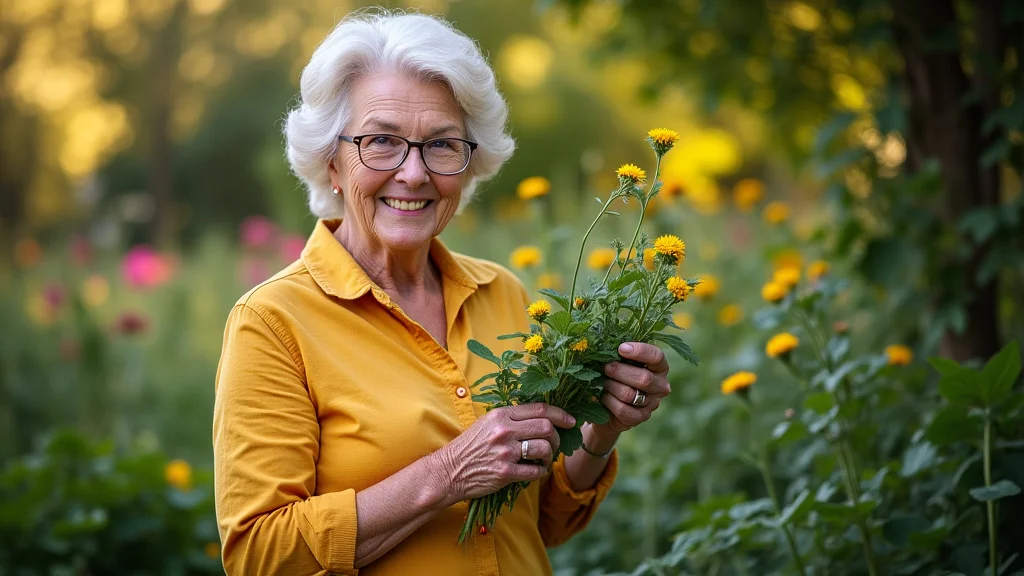
Remember that time your tomato plant withered, despite all your efforts? We’ve all been there! Gardening can feel like a guessing game, especially when you’re just starting. But what if you had a secret weapon? This post explores the wisdom of a seasoned gardener: British granny Elaine Poppy. She has cultivated beautiful gardens for years, and her British granny Elaine Poppy’s gardening tips are full of practical advice.
You’ll discover simple, effective strategies to grow your own flourishing garden, no matter your experience level. Learn how to nurture your plants from seed to harvest, avoid common gardening pitfalls, and create a truly stunning outdoor space. Get ready to transform your garden into a place of beauty and abundance, all thanks to the timeless advice of a true gardening expert.
Key Takeaways
- Learn simple soil preparation techniques for healthier plants.
- Discover the best plants to grow for the British climate.
- Uncover tips on how to effectively manage common pests.
- Find out how to maximize your garden’s space for greater yields.
- Explore essential watering and feeding strategies.
- Understand how to extend your growing season.
Planning and Preparation: Laying the Groundwork
Every fantastic garden starts with a good plan. Before you even think about planting seeds, it’s essential to assess your garden space, the amount of sunlight it receives, and the type of soil you have. Planning ahead ensures you choose the right plants that will thrive in your specific location. This initial assessment saves time, prevents costly mistakes, and sets the stage for a bountiful harvest or a beautiful display of flowers. It also keeps you from feeling overwhelmed as you start. Getting it right from the beginning means less stress in the long run and more enjoyment as your garden grows.
Soil Testing: The Foundation of Success
One of the first things British granny Elaine Poppy’s gardening tips emphasizes is the importance of soil. Soil is the lifeblood of any garden; it provides essential nutrients and a supportive environment for your plants to grow. Understanding your soil’s composition—its pH level, nutrient content, and texture—is essential. You can conduct a simple soil test at home using readily available kits, or you can send a sample to a professional lab for more detailed analysis. Proper soil testing determines the need for amendments like compost or fertilizer, enabling you to tailor your gardening practices for optimal results.
- Why Test Soil? Soil testing identifies nutrient deficiencies or excesses, revealing if you need to add compost. Testing also helps to determine the soil’s pH levels.
- Types of Soil Tests. You can use home kits or get your soil tested by a lab. Home tests typically measure pH and nutrient levels, while lab tests provide a complete analysis of the soil’s composition.
- Interpreting Results. When you get your results, look for the pH level and nutrient levels. Amend your soil by adding compost, lime, or other organic matter to correct any imbalances and improve your soil’s health.
- When to Test. It’s best to test your soil before planting, ideally in the fall or early spring. This allows time to amend the soil and prepare it for planting.
Understanding soil health helps you choose plants that will flourish. Some plants prefer acidic soil, while others prefer alkaline. Testing helps you avoid planting in unsuitable conditions.
Lab tests give more accurate results, indicating the exact amounts of nutrients present. These tests will help you decide what to add to the soil before planting.
Adding the right type of nutrients means your plants will get the food they need. The result is vibrant blooms or healthy vegetables.
This early preparation is essential to making sure your soil will support the new plants. Early soil preparation increases your plants’ chances of success.
Site Selection: Choosing the Right Spot
Choosing the right location for your garden is crucial. Consider how much sunlight your garden spot receives. Most vegetables and flowering plants need at least six hours of sunlight per day to grow well. Also, consider the soil drainage. Poor drainage can lead to root rot. If the area floods after heavy rain, it’s not ideal. Lastly, think about the wind exposure. Gardens located in windy areas can dry out quickly and may require windbreaks. Following British granny Elaine Poppy’s gardening tips, a well-chosen site ensures your plants get the right conditions.
- Sunlight Needs. Most vegetables and flowering plants need at least 6 hours of sunlight each day. This exposure helps plants make the food they need to thrive.
- Soil Drainage. Poor drainage can cause root rot. Assess your soil’s drainage by digging a hole and filling it with water. If the water drains quickly, the drainage is good. If it takes a long time to drain, it isn’t.
- Wind Protection. Gardens in windy locations can dry out quickly, which may require you to build windbreaks. Windbreaks can protect your plants from damage.
- Water Source. Have easy access to a water source. A hose or sprinkler system will make watering easier.
Choose a site that gets the right amount of light to give the plants what they need. It’s important to research the sunlight needs of the plants you want to grow.
Planting in a location with good drainage ensures the roots have the air they need. This is essential for the plants to remain healthy.
Windbreaks can be hedges, fences, or other structures designed to reduce the force of the wind. These will protect your plants, especially in exposed locations.
Water is essential for plant growth and access to a water source will save you time and effort. Also consider access to electricity.
Planting Strategies: From Seed to Harvest
Once you’ve prepped your soil and selected the perfect location, it’s time to get your hands dirty and begin planting. This involves selecting the right seeds or seedlings, and also how to plant each one. British granny Elaine Poppy’s gardening tips cover all aspects of planting strategies, from seed starting to transplanting seedlings, and even succession planting for an extended harvest. Proper planting techniques, such as spacing plants correctly and providing adequate support, can significantly impact your garden’s productivity.
Seed Starting vs. Seedlings
Deciding between starting seeds indoors or buying seedlings is a key early step. Starting seeds indoors gives you more control over the growing process, but it requires extra time and effort, including providing adequate light. Buying seedlings is simpler and saves time. Buying plants that have already started growing is especially useful for gardeners who want to get started quickly. Both options have benefits and drawbacks.
- Seed Starting. Starting seeds indoors allows you to get a head start on the growing season. It also provides more variety. It requires pots, soil, and light.
- Buying Seedlings. Buying seedlings is a more straightforward approach. You can get started right away. It saves the time and effort of seed starting.
- Planting Seeds. When planting seeds, follow the instructions on the seed packet. Seed packets provide details on how deep to plant the seeds and the spacing between each seed.
- Transplanting Seedlings. Transplant seedlings carefully. Be sure to handle their delicate roots gently. It’s best to water your seedlings well before transplanting.
Seed starting also allows you to nurture plants from a young stage. It can also be more economical than buying multiple seedlings, especially if you have a lot of space.
Seedlings have already sprouted and started to grow. They are less time-consuming and often come with a head start. You can also pick out a plant that looks strong and healthy.
Proper planting depth is essential. Some seeds need light to germinate, while others need to be covered. Spacing also helps to give each plant enough room to grow.
Transplanting requires patience. Be gentle to help the plants adapt to their new environment. Giving the seedlings plenty of water helps them adjust quickly.
Spacing and Support: Giving Plants Room to Grow
Spacing plants correctly and providing support are essential elements for success. Proper spacing between plants promotes good air circulation. It reduces the chance of disease, and allows each plant to get enough sunlight. Using trellises, stakes, and cages provides support for climbing plants. These help plants grow upwards rather than spreading on the ground. This support not only maximizes space but also improves the harvest of many crops. Following British granny Elaine Poppy’s gardening tips like these contributes to a well-organized and productive garden.
- Proper Spacing. Follow spacing guidelines provided on seed packets or plant labels. Overcrowding can lead to poor air circulation and increased pest and disease issues.
- Staking. Use stakes for tomatoes and other tall plants. Stakes provide support. They prevent plants from falling over when they are laden with fruit.
- Trellises. Trellises are for climbing plants, such as cucumbers and beans. They encourage vertical growth. Trellises save space and increase yield.
- Cages. Tomato cages offer support for tomatoes. They also provide space for air circulation. This results in healthier plants and a better harvest.
Spacing plants properly helps avoid competition. Plants need space to grow without overlapping and blocking the sunlight.
Stakes can be made of wood or metal. They should be driven firmly into the ground. Secure the plants by tying them loosely to the stake.
Trellises come in many forms, from simple string supports to elaborate structures. Position them so the plants will have room to grow.
Cages come in different sizes and shapes, with most being made of metal. Place the cages over the plants when they are young.
Watering and Feeding: Nurturing Your Plants
Water and nutrients are the essential ingredients for plant growth. Knowing how to properly water and feed your plants is crucial. The goal is to provide the right amount of water. Giving your plants the proper amount of water means healthy plants. Likewise, the right amount of fertilizer will produce the best results. Overwatering can lead to root rot. Underwatering can stunt growth. Proper feeding gives plants the energy they need to thrive. British granny Elaine Poppy’s gardening tips stress these core elements.
Watering Techniques: Keeping Plants Hydrated
How you water your plants has a huge impact on their health and productivity. The best approach is to water deeply and infrequently, soaking the soil thoroughly rather than frequent, shallow watering. Water in the morning to allow the foliage to dry before nightfall. This reduces the risk of fungal diseases. Using soaker hoses or drip irrigation systems is effective. They deliver water directly to the roots, minimizing water waste. Following these watering techniques helps create a flourishing garden.
- Deep Watering. Water deeply and less often to encourage strong root development. Roots will grow deeper and become less dependent on frequent watering.
- Watering Frequency. Water when the top inch of soil feels dry. The frequency of watering depends on weather and the type of plant.
- Watering Time. Water in the morning so the foliage dries before night. This reduces the risk of diseases like mildew.
- Watering Methods. Use soaker hoses or drip irrigation. These methods deliver water directly to the roots. They are much more efficient than overhead watering.
Deep watering means giving plants a good, thorough soak. This keeps the soil moist. It also allows the roots to absorb water and nutrients.
Watering when necessary prevents both under-watering and overwatering. Check the soil before watering to ensure the right amount.
Morning watering also gives plants time to absorb water throughout the day. This helps them resist heat stress during the hottest part of the day.
These methods reduce water waste and prevent fungal diseases. They are particularly useful in dry regions.
Feeding Your Garden: Fertilizing for Success
Fertilizing is feeding your plants the nutrients they need to grow. Plants use nutrients from the soil to create food. Using organic fertilizers like compost or well-rotted manure improves the soil. These fertilizers release nutrients slowly. This provides a steady supply of nutrients over time. Chemical fertilizers can give plants a quick boost. They require more careful application to prevent over-fertilizing. Following British granny Elaine Poppy’s gardening tips, fertilization gives plants the energy needed to thrive.
- Types of Fertilizers. Organic fertilizers include compost, manure, and other natural materials. Chemical fertilizers are synthetic products. They offer quick results.
- Fertilizing Schedule. Fertilize plants based on their needs and the type of fertilizer used. Some plants need more fertilizer than others.
- Application Methods. Apply fertilizer to the soil around the base of plants. Avoid getting fertilizer on the foliage, which can cause leaf burn.
- Signs of Nutrient Deficiencies. Look for signs like yellowing leaves or stunted growth. These signs indicate that your plants may not be getting the nutrients they need.
Organic fertilizers will also improve the soil. Chemical fertilizers work more quickly. However, they can potentially harm the environment. They can also damage the plants.
Follow the instructions on the fertilizer package. Over-fertilizing can be as damaging as under-fertilizing. Watch your plants for signs of nutrient deficiencies.
Apply fertilizer near the roots for the best absorption. This placement helps the plants get the nutrients they need for healthy growth.
Addressing these issues early helps prevent any further damage. The result is a thriving garden.
Pest and Disease Management: Keeping Your Garden Healthy
Protecting your garden from pests and diseases is essential for a successful harvest. Implementing preventative measures, like choosing disease-resistant varieties, maintaining good air circulation, and practicing crop rotation, is very important. Recognizing problems early, and using natural remedies, can often solve issues without resorting to harsh chemicals. British granny Elaine Poppy’s gardening tips encourage practices that protect the health of your plants and the environment.
Common Pests: Identifying and Controlling Them
Pests can wreak havoc in your garden, damaging plants and reducing yields. Identifying pests is the first step in control. Common pests include aphids, slugs, snails, and caterpillars. Inspect plants regularly for signs of pest activity. Consider using natural methods, such as introducing beneficial insects, using insecticidal soap, or hand-picking pests. Combining multiple strategies is often the most effective way to manage pests. Prevention can also save you a lot of time and effort.
- Aphids. Aphids are small, soft-bodied insects that suck plant sap. They can cause leaves to curl and stunt plant growth.
- Slugs and Snails. Slugs and snails feed on leaves and young plants. They leave behind slimy trails. They can cause significant damage.
- Caterpillars. Caterpillars can eat leaves and stems. They can quickly defoliate plants. They can be very damaging to gardens.
- Spider Mites. Spider mites are tiny pests that suck sap from leaves. They can cause leaves to become stippled or discolored. They also weaken plants.
Look for clusters of aphids on the undersides of leaves and on stems. Control them with insecticidal soap or by introducing ladybugs, which eat aphids.
Use slug and snail traps or barriers, such as copper tape, to protect plants. Hand-pick them at night, or use beer traps to attract and kill them.
Hand-pick caterpillars from plants. You can also use Bacillus thuringiensis (Bt), a natural bacterial insecticide, to control them.
Spider mites thrive in hot, dry conditions. Increase humidity, or wash the plants with water. You can also use insecticidal soap.
Disease Prevention: Protecting Your Plants
Plant diseases can be a challenge for gardeners. Many diseases are caused by fungi, bacteria, or viruses, which thrive in certain conditions. Prevention is important, and you can achieve this by choosing disease-resistant varieties of plants. Also, you can ensure good air circulation. Avoid overcrowding plants, as this promotes fungal growth. Practicing crop rotation and cleaning tools between uses helps prevent diseases from spreading. British granny Elaine Poppy’s gardening tips offer a good framework for effective disease management.
- Disease-Resistant Varieties. Select plants known for their resistance to common diseases. These plants are less likely to get infected.
- Air Circulation. Space plants to promote good air circulation. This helps leaves dry quickly after rainfall. It also reduces the chance of fungal diseases.
- Crop Rotation. Rotate crops each season. Avoid planting the same type of plant in the same location year after year. This reduces the buildup of diseases in the soil.
- Sanitation. Clean tools and equipment after each use. Remove and dispose of any diseased plant material to prevent the spread of diseases.
When selecting plants, look for varieties labeled “disease-resistant.” This reduces the need for treatments. It also increases the chances of a successful harvest.
Good air circulation will make your plants healthier. Avoid overcrowding plants. This reduces the risk of fungal diseases.
Crop rotation will help disrupt disease cycles and improve soil health. This practice will also help reduce pest problems.
Proper sanitation will help limit the spread of diseases. It will also help the plants and the whole garden to stay healthy.
Extending the Growing Season: More Time in the Garden
Extending the growing season allows you to enjoy fresh produce for a longer period. There are ways to start seeds early, or to protect plants from frost. You can use simple techniques. These might include using cold frames and row covers. For many British granny Elaine Poppy’s gardening tips, the goal is to create a microclimate in your garden. This microclimate will provide optimal conditions for plant growth, even in challenging weather.
Cold Frames and Greenhouses
Cold frames and greenhouses provide protection from the cold. They are effective ways to extend the growing season. Cold frames are simple, often made with repurposed materials, and they act like miniature greenhouses. Greenhouses offer more control over temperature and humidity, providing an ideal environment for starting seeds or growing tender plants. These structures can protect plants from harsh weather and frost, giving them a head start and allowing you to harvest crops earlier and later in the season.
- Cold Frames. Cold frames are simple structures that protect plants from the cold. They’re typically low-walled boxes with a transparent top.
- Greenhouses. Greenhouses provide a controlled environment for growing plants. They regulate temperature, humidity, and ventilation.
- Early Planting. Use cold frames and greenhouses to start seeds early. Start tender plants, like tomatoes and peppers, indoors before the last frost.
- Season Extension. Extend the growing season by using these structures. You can protect plants from frost and keep them growing longer in the fall.
Cold frames are easy to build or buy. They create a warmer microclimate. You can use them to start seeds early in the spring or extend the harvest into fall.
Greenhouses will protect plants from frost and harsh weather. They extend the growing season significantly. They’re useful for starting seeds and growing exotic plants.
Starting seeds earlier will give them a head start. It will also let you get a longer growing season, even in colder climates.
Greenhouses and cold frames will help you enjoy fresh produce for more months of the year. You can also grow vegetables that don’t usually grow in your area.
Row Covers and Mulching
Row covers and mulching are very effective methods for protecting plants. Row covers are lightweight fabrics placed over plants. They help retain heat. They also protect plants from frost, pests, and wind. Mulching, using materials like straw or wood chips, helps to insulate the soil. It also retains moisture and suppresses weeds. Both methods improve growing conditions and extend the growing season by creating a protective environment.
- Row Covers. Row covers are lightweight fabrics that protect plants. They retain heat and protect plants from frost, pests, and wind.
- Mulching Materials. Use organic materials like straw, wood chips, or compost. Mulch helps to insulate the soil. It retains moisture and suppresses weeds.
- Frost Protection. Use row covers to protect plants from light frosts. Drape the cover over the plants. Secure the edges with soil, rocks, or pegs.
- Weed Control. Mulching suppresses weeds. Place a thick layer of mulch around plants. This will help to prevent weed growth.
Row covers are easy to install and remove. They allow sunlight and water to reach plants. This encourages early growth.
Choose mulch materials that decompose slowly. This way, they will add nutrients to the soil over time.
Row covers will create a barrier against cold air. This prevents frost from reaching plants. They’re a simple way to extend the growing season.
Mulching reduces the need for weeding. It conserves moisture. It also provides nutrients as it breaks down.
Common Myths Debunked
Myth 1: You need a big garden to grow your own food.
The reality is that you can have a productive garden even in a small space. Vertical gardening, container gardening, and growing certain crops can be very efficient. For example, herbs, tomatoes, and lettuce thrive in containers. Growing vertically on trellises maximizes space. Even a small balcony or patio can be transformed into a productive garden. Following British granny Elaine Poppy’s gardening tips, even a small space can become a flourishing garden.
Myth 2: Gardening is too difficult for beginners.
Gardening can be simple to begin. Start small with easy-to-grow plants. Start with herbs or salad greens. Read guides and seek advice from experienced gardeners. There are many resources available, and you can learn as you go. Focus on simple techniques and building confidence. With a little effort, beginners can succeed. Remember, every gardener was once a beginner. The key is to start, learn, and enjoy the process.
Myth 3: All pests are bad and should be eliminated.
Some insects in your garden are beneficial. Ladybugs eat aphids, and bees pollinate. These insects are essential to your garden’s health. Not all bugs are a threat. Focus on pest management. Learn to identify harmful pests and use targeted methods. Encouraging beneficial insects by planting flowers that attract them is a good gardening practice. This will create a balanced ecosystem and help control pest populations naturally. Following British granny Elaine Poppy’s gardening tips, balance is key.
Myth 4: You need to use expensive fertilizers and pesticides to succeed.
Organic gardening is a great way to start. Healthy soil is the key to healthy plants. Compost, manure, and other organic materials improve soil health. Crop rotation and companion planting can also help. Natural pest controls and homemade solutions are available. You don’t need a lot of money to have a wonderful garden. The most important thing is good soil and plant care. Following British granny Elaine Poppy’s gardening tips, you can create a beautiful garden using resources already at your disposal.
Myth 5: Gardening requires a lot of time.
Gardening doesn’t need to take all your time. Plan your garden efficiently. Choose low-maintenance plants. Use watering systems like drip irrigation. Mulching and other techniques minimize weeding. Even a few hours a week can make a big difference. Many tasks are enjoyable and therapeutic. It’s about finding a balance. Gardening can be both relaxing and rewarding, even with a busy schedule.
Frequently Asked Questions
Question: How often should I water my garden?
Answer: Water deeply but less frequently, typically when the top inch of soil is dry. The exact frequency depends on the weather and the plant type. Check the soil before watering.
Question: What are the best plants for beginners?
Answer: Start with easy-to-grow plants like lettuce, radishes, spinach, herbs, and beans. These plants are relatively low-maintenance and provide quick results, giving you early encouragement.
Question: How can I improve my soil quality?
Answer: Add compost, well-rotted manure, and other organic matter to improve soil structure and fertility. These will enrich the soil and help retain moisture, improving the environment for your plants.
Question: How can I prevent pests and diseases in my garden?
Answer: Choose disease-resistant varieties, ensure good air circulation, and practice crop rotation. Inspect plants regularly. Use natural methods to address any problems that arise.
Question: What is crop rotation, and why is it important?
Answer: Crop rotation involves changing the location of plants each season. It prevents pests and diseases from building up in the soil and depleting nutrients. This practice supports healthy plant growth.
Final Thoughts
British granny Elaine Poppy’s gardening tips offer a valuable foundation for any aspiring gardener. Start with the basics: prepare the soil, select the right plants for your climate, and give them the necessary water and nutrients. Protect your garden from pests and diseases, and think about extending your growing season. Remember that gardening is a learning experience. With patience and persistence, you’ll be able to create a beautiful and productive garden. So, gather your seeds, embrace the process, and get ready to enjoy the rewards of your own flourishing garden. Your success story starts now.