December Gardening Tips for a Thriving Winter Garden
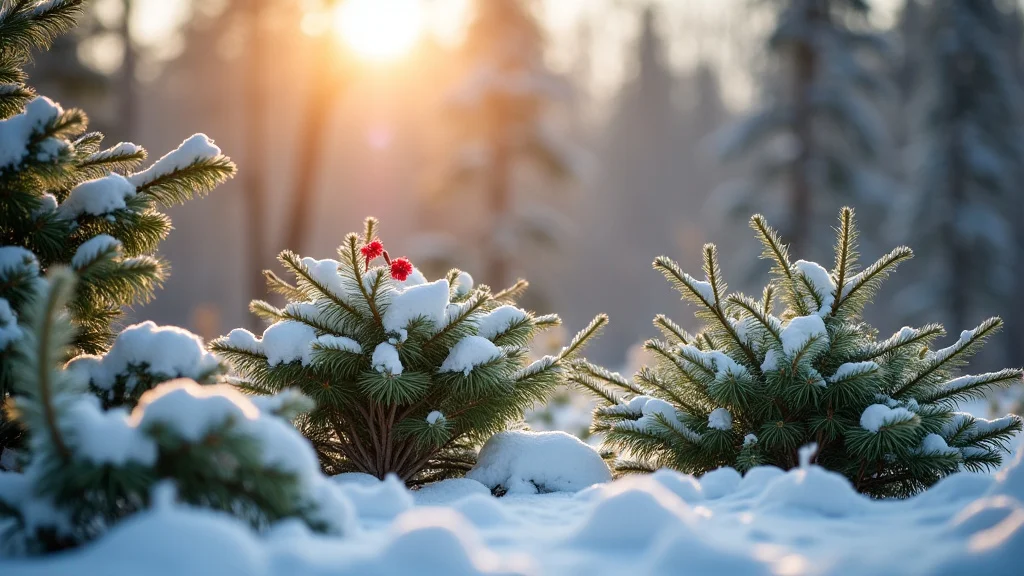
The wind howls, the temperature dips, and you might think your garden has gone to sleep. But hold on! Just because it’s December doesn’t mean you have to abandon your green thumb. I remember one particularly harsh winter when I thought my herb garden was a goner. But with a bit of planning and the right December gardening tips, I was surprised to see how much of my garden could survive and even thrive. This post is packed with practical advice to help you keep your garden going strong through the cold months. You’ll learn how to protect your plants, plan for the spring, and maybe even enjoy fresh harvests all winter long. Get ready to transform your garden into a winter wonderland of growth!
Key Takeaways
- Discover essential tasks to protect your plants from frost and snow.
- Learn which vegetables and herbs can thrive in the winter.
- Get planning ideas for your spring garden while it’s cold outside.
- Understand the importance of winter soil care to boost growth.
- Explore effective strategies for dealing with pests and diseases in winter.
- Find out how to support local wildlife with winter-friendly gardening.
Winterizing Your Garden
The heart of successful December gardening tips is protecting your plants from the harsh winter elements. Frost, snow, and freezing temperatures can cause significant damage to your garden if you’re not prepared. Winterizing involves a series of actions that shield plants, conserve warmth, and prepare for the growing season. From simple actions like mulching to more advanced techniques like cold frames, a proactive approach is important. Preparing your garden during December is important, so you’ll be ready for spring.
Protecting Against Frost and Snow
One of the primary concerns for gardeners in December is frost. Frost forms when the temperature drops below freezing, causing water within plant cells to freeze and expand. This can rupture cell walls, leading to damage. Snow, while sometimes offering insulation, can also weigh down plants, breaking branches and causing physical stress. Fortunately, there are several simple yet effective methods to defend against these challenges.
- Mulching: Applying a thick layer of organic mulch like straw, shredded leaves, or wood chips is one of the easiest ways to safeguard your plants. Mulch acts as an insulating blanket, trapping heat in the soil and preventing it from freezing as quickly. It also helps retain moisture and protect roots from the damaging effects of freeze-thaw cycles.
- Covering Plants: For more sensitive plants, covering them during cold snaps is a good choice. You can use row covers, burlap, or even old sheets. Be sure to remove the covers during the day to allow sunlight to reach the plants.
- Cold Frames and Greenhouses: If you’re serious about extending the growing season, consider constructing cold frames or a small greenhouse. Cold frames are low-walled structures with a transparent top, providing a mini-climate for plants. Greenhouses offer more significant protection and can allow you to grow a wider variety of plants.
- Choosing the Right Location: Pay attention to the microclimates in your garden. Areas sheltered from wind and direct sunlight tend to be warmer. Planting your more sensitive plants in these spots can provide them with extra protection.
Watering and Moisture Management
Watering might seem counterintuitive in the winter, when the soil is cold and plants appear dormant. However, it’s a vital task, and there are many reasons for this. Proper watering keeps plants healthy and reduces stress. Overwatering, on the other hand, can create problems like root rot. Knowing the right balance can lead to a healthy, flourishing garden, even in winter.
- Watering Schedule: In general, reduce watering frequency during the winter. Most plants require less water when they’re not actively growing. Monitor your plants, paying attention to the soil. Water only when the soil feels dry to the touch a couple of inches below the surface.
- Watering Method: Water early in the day, so plants have time to absorb the moisture before the temperature drops in the evening. This also helps to reduce the risk of frost damage.
- Frozen Soil Concerns: Avoid watering when the soil is frozen, as the water won’t be able to be absorbed.
- Using Rainwater: If possible, collect rainwater for your plants. Rainwater is free of chemicals and has a slightly acidic pH, which plants love.
Protecting Against Wind
Wind can be a significant threat to your garden in December, not only because it intensifies the effects of cold but also because it can cause physical damage. Wind can dry out plants by increasing the rate of transpiration, leading to dehydration, and it can also damage or break stems and branches. Luckily, there are a few ways to protect your garden from wind.
- Windbreaks: The most effective method is to create windbreaks. You can use fences, hedges, or even strategically planted evergreen trees. Windbreaks don’t need to be solid; they can be porous, allowing some wind to pass through while reducing its speed.
- Plant Placement: Planting your most vulnerable plants in areas sheltered from the wind is important. Use natural features like buildings or existing trees.
- Staking Plants: For taller plants or those with weaker stems, staking is a simple technique to provide support and help them withstand strong winds.
- Regular Inspection: Regularly inspect your plants for signs of wind damage, such as broken branches or leaves. Prune away damaged parts to prevent further harm.
Winter Vegetables and Herbs
Not all plants take a winter break. Many vegetables and herbs are cold-hardy and can thrive in December gardens. The key is knowing which plants can withstand the cold and providing them with proper care. Adding winter-hardy crops to your garden offers the benefit of fresh produce throughout the colder months. With the right selection, you can eat homegrown vegetables during the winter and enjoy the satisfaction of gardening even in the middle of winter.
Cold-Hardy Vegetables
Several vegetables are naturally resistant to cold temperatures and can grow well in a December gardening tips plan. These vegetables have adapted to survive in harsh conditions, making them ideal for winter gardens. Some of the most popular cold-hardy vegetables include leafy greens and root vegetables.
- Leafy Greens: Spinach, kale, collard greens, and lettuce are some of the easiest to grow in winter. They can withstand frost and light freezes and often taste even sweeter after exposure to cold.
- Root Vegetables: Carrots, parsnips, beets, and radishes can also be grown in winter. They can tolerate cold temperatures and even improve in flavor after a frost. You can leave root vegetables in the ground through winter and harvest them as needed.
- Brassicas: Broccoli, Brussels sprouts, and cabbage are cold-tolerant and can be harvested in winter. They grow best if started in the late summer or early fall, so they have a chance to establish roots before winter.
- Other Options: Other good choices include Swiss chard, garlic, and winter squash.
Winter-Growing Herbs
Herbs can be a delicious addition to your winter garden, providing fresh flavors for your cooking. Like cold-hardy vegetables, some herbs can withstand the cold and continue growing during the winter months. Incorporating herbs into your garden ensures you have fresh ingredients to use throughout the season.
- Hardy Herbs: Chives, parsley, rosemary, thyme, and oregano are some of the most cold-hardy herbs. They can survive cold temperatures and often stay green through winter, providing fresh leaves for harvesting.
- Growing Indoors: If you live in an area with particularly harsh winters, consider bringing some herbs indoors. Herbs like basil and mint can be grown in pots on a sunny windowsill.
- Providing Protection: Even hardy herbs will benefit from some protection from the elements. Mulch around the base of the plants, or cover them during severe cold snaps.
Extending the Growing Season
Extending the growing season allows you to enjoy fresh produce for a longer period. There are various ways to achieve this, from simple techniques to more advanced methods. These methods can protect your plants from the cold and also create a favorable environment for growth.
- Succession Planting: Continue planting cold-hardy crops throughout the fall to ensure a continuous harvest. Succession planting means planting new seeds every few weeks, so you always have new plants coming up.
- Using Cold Frames: Cold frames are a simple and effective way to extend the growing season. They are small, low-walled structures with a transparent top that creates a microclimate for plants.
- Growing Indoors: Starting seeds indoors and then transplanting them outdoors when the weather warms up allows you to get a head start on the growing season.
- Choosing the Right Varieties: Select varieties specifically bred to tolerate cold weather.
Planning for Spring
While the cold might seem like a time for the garden to rest, it’s also the perfect time to plan and prepare for the spring. Preparing for spring now can set the stage for a successful growing season, so it is an important part of December gardening tips. This includes tasks such as seed selection, garden layout, and soil preparation.
Seed Selection and Starting
Winter is the perfect time to begin planning your spring garden by choosing which plants you want to grow. Browse seed catalogs, research different varieties, and decide what best suits your space, climate, and personal preferences. Selecting seeds during the winter allows you to make informed decisions about your garden, ensuring you grow the crops you enjoy. It also offers the chance to experiment with new varieties and plants.
- Catalog Browsing: Explore seed catalogs and online seed suppliers to discover new varieties. Consider the space you have available, the climate in your area, and the needs of your family when choosing seeds.
- Seed Starting: Starting seeds indoors is an excellent way to get a head start on the growing season. Start seeds 6-8 weeks before the last expected frost.
- Seed Storage: Store any leftover seeds in a cool, dry place to maintain their viability. A sealed container in a cool, dark location is best.
- Seedling Care: Once your seedlings sprout, provide them with plenty of light. Consider using grow lights if natural sunlight isn’t sufficient.
Garden Layout and Design
Designing your garden layout in the winter provides you with the chance to visualize and plan your garden’s design before the growing season arrives. Creating a well-thought-out plan now makes the actual planting process much smoother and more efficient. By designing your garden during the winter, you can optimize space, arrange for sunlight, and ensure that your plants thrive.
- Sunlight and Shade: Assess the sunlight and shade patterns in your garden. Place plants that require a lot of sunlight in areas that receive ample direct light, and plant shade-tolerant plants in shadier spots.
- Crop Rotation: Plan for crop rotation to help maintain soil health and prevent the buildup of pests and diseases. Rotate crops by not planting the same type of plant in the same location each year.
- Companion Planting: Consider companion planting, where different plants are placed together to help each other grow. For example, planting basil near tomatoes can help deter pests and improve the flavor of the tomatoes.
- Raised Beds and Containers: Plan for raised beds and containers if you have poor soil.
Soil Preparation and Amendments
Preparing your soil during the winter is important for a successful spring harvest. Soil health is the foundation of any thriving garden, so making improvements now will pay off later. Adding soil amendments and allowing the soil to rest over the winter helps improve its structure, fertility, and drainage, creating a perfect environment for plants.
- Soil Testing: Conduct a soil test to determine its pH level and nutrient content. This information will help you identify what amendments are needed to balance your soil.
- Adding Organic Matter: Add organic matter such as compost, well-rotted manure, or leaf mold to improve soil structure, drainage, and fertility. Organic matter also helps retain moisture and provides nutrients for plants.
- Cover Crops: Consider planting cover crops like winter rye or clover in the late fall. These crops help prevent soil erosion, suppress weeds, and add nutrients to the soil when turned under in the spring.
- Winter Watering: Don’t forget to water the soil when needed, even in winter.
Winter Soil Care
Soil care is important for your garden to thrive. Winter soil care includes activities that prepare your garden for the growing season. The soil is the foundation of your garden, and taking care of it during the winter will set the stage for a bountiful harvest. Winter soil care can improve soil structure, nutrient levels, and overall health, leading to healthy plants and productive gardens.
Improving Soil Structure
Improving the structure of your soil is vital to ensure that your plants can access nutrients and water, allowing them to grow well. Well-structured soil has a good balance of air pockets and pore spaces, creating an ideal environment for plant roots to grow. You can make significant improvements to your soil’s structure through a few simple practices.
- Adding Organic Matter: Adding compost, well-rotted manure, or other organic materials improves the soil’s structure by adding air spaces and improving drainage.
- Avoiding Compaction: Avoid walking on your garden beds during wet weather, which can compact the soil and reduce pore space.
- Winter Tilling: In some regions, winter tilling can help break up compacted soil. If you choose to till, do so when the soil is dry enough to prevent further compaction.
- Cover Cropping: Planting cover crops can also help improve soil structure by adding organic matter to the soil.
Nutrient Management
Winter is a good time to focus on nutrient management. Healthy soil has a good balance of nutrients, vital for plant growth and overall health. Addressing nutrient deficiencies now ensures that your plants will have everything they need to flourish when the growing season begins. Properly managing your soil’s nutrient levels can significantly enhance your garden’s productivity.
- Soil Testing: A soil test will identify any nutrient deficiencies in your soil.
- Amendment Timing: Incorporate any needed amendments like compost, well-rotted manure, or other organic matter during the winter.
- Winter Cover Crops: Plant cover crops. These plants can add nitrogen to the soil and prevent erosion.
- Avoid Over-Fertilizing: Don’t over-fertilize during the winter, as plants are not actively growing and may not be able to utilize excess nutrients.
Drainage and Aeration
Good drainage and aeration are essential for healthy soil. Soil that drains well and has good aeration allows plant roots to breathe and prevents diseases caused by waterlogged conditions. Addressing drainage and aeration issues is an important aspect of winter soil care.
- Evaluating Drainage: Assess your soil’s drainage by observing how quickly water drains after a rainfall. If water stands on the surface for extended periods, you may have poor drainage.
- Improving Drainage: Improve drainage by incorporating organic matter into the soil.
- Aeration Techniques: Consider aerating your soil by using a garden fork or aerator.
- Avoiding Compaction: Avoid walking on garden beds, especially when the soil is wet.
Dealing with Pests and Diseases
While the cold might seem like a natural pest deterrent, it’s still necessary to take care when dealing with pests and diseases. Winter provides the opportunity to clean up your garden and prepare for the spring. It is better to tackle these problems now. Addressing pests and diseases now can help prevent a larger problem later.
Identifying and Managing Pests
Even in winter, some pests may still be present in your garden. Identifying and managing pests during the winter can prevent future infestations. Taking preventative steps helps protect your plants and supports a healthy ecosystem.
- Inspecting Plants: Inspect your plants regularly for any signs of pests. Look for eggs, larvae, or adult insects hiding in the soil or under leaves.
- Removing Debris: Remove fallen leaves and debris. These can be hiding places for pests and diseases.
- Beneficial Insects: Encourage beneficial insects, like ladybugs and lacewings, by providing a habitat.
- Insecticidal Soap and Oils: Use insecticidal soap or horticultural oil if you find an infestation.
Disease Prevention and Control
Preventing and controlling diseases is also important in December gardening tips. Several steps can be taken to prevent and manage diseases during the winter months. Proactive measures now can help stop the spread of disease in the spring and also promote a healthy garden.
- Sanitation: Clean up any diseased plant matter and dispose of it properly.
- Pruning: Prune any diseased or dead branches.
- Choosing Disease-Resistant Varieties: Plant disease-resistant varieties.
- Using Proper Watering Techniques: Avoid overwatering, which can encourage fungal diseases. Water at the base of the plant.
Weed Control in Winter
Weed control is also an important part of December gardening tips. Weeds can compete with your plants for nutrients and water, so it’s essential to remove them before they have a chance to take root. Regularly maintaining your garden ensures you have fewer weeds when spring arrives.
- Hand Weeding: Hand weeding is a highly effective way to remove weeds.
- Mulching: Using a thick layer of mulch can also help suppress weed growth.
- Cover Cropping: Plant cover crops.
- Pre-Emergent Herbicides: Apply pre-emergent herbicides in the fall.
Supporting Wildlife
Gardening isn’t just about growing plants for food. You can create a healthy ecosystem that provides a habitat for various animals. Many animals need help in the winter. Winter gardening can provide food and shelter to help wildlife thrive.
Providing Food and Shelter
Providing food and shelter is vital to supporting wildlife in your garden. Providing these essentials helps animals survive. You can provide shelter and food by following these techniques.
- Leaving Seed Heads: Leave the seed heads on plants like sunflowers and coneflowers to provide food for birds.
- Bird Feeders: Provide bird feeders with high-energy foods like seeds, suet, and nuts.
- Shelter for Animals: Create shelter for animals by leaving a brush pile or building a birdhouse.
- Water Sources: Provide a source of fresh water, even in winter.
Winter Bird Feeding
Feeding birds during the winter can be a rewarding activity. Providing food helps them stay energized and survive the colder months. Here’s a brief guide to winter bird feeding.
- Choosing the Right Feed: Choose high-energy foods.
- Feeder Selection: Select a feeder.
- Feeder Placement: Place feeders in a safe location.
- Cleaning Feeders: Regularly clean bird feeders.
Creating Wildlife Habitats
Creating wildlife habitats helps promote a thriving ecosystem in your garden. These habits provide shelter and encourage wildlife to stay in your yard. Making wildlife habitats benefits the environment and also adds beauty and interest to your garden.
- Planting Native Plants: Plant native plants to provide food and shelter for local wildlife.
- Building a Brush Pile: Create a brush pile to provide shelter for small animals.
- Leaving a Patch of Unmowed Grass: Leave a patch of unmowed grass to create habitat.
- Adding a Water Source: Install a bird bath or water feature.
Common Myths Debunked
Myth 1: You Can’t Garden in December
Many people think that gardening is impossible in December, but this isn’t true. While it is true that many plants won’t grow during the winter, there are many things you can do to maintain and prepare your garden. You can work on soil preparation, choose cold-hardy plants, and plan for the next growing season. This ensures that your garden can thrive year-round.
Myth 2: Mulch Isn’t Important in Winter
It’s a common misconception that mulch isn’t important in the winter. In reality, mulch is one of the most vital steps. Mulch acts as an insulating layer, protecting the soil from freezing. It maintains moisture, reducing the need for watering, and also helps to prevent weeds.
Myth 3: All Seeds Can Be Stored the Same Way
Many people wrongly believe that all seeds can be stored in the same way. But this is not true. Storing seeds properly is important for their long-term viability. Keep them in a cool, dry, dark location. Storing seeds the wrong way will affect how well they grow.
Myth 4: Winter Gardening Requires a Greenhouse
Many think that a greenhouse is necessary for winter gardening. It’s true that a greenhouse helps, but many plants can survive and thrive without one. Cold frames, row covers, and mulching can provide the protection needed for certain plants.
Myth 5: Pests and Diseases Are Dormant in Winter
Many believe that pests and diseases are dormant in winter. However, this isn’t always true. While some pests and diseases become less active during cold weather, others can still survive. Proper sanitation and pest control practices are important during the winter.
Frequently Asked Questions
Question: What vegetables can I grow in December?
Answer: Leafy greens like spinach and kale, root vegetables such as carrots and parsnips, and brassicas such as broccoli and Brussels sprouts.
Question: How can I protect my plants from frost?
Answer: Mulch around the base of plants, cover them with row covers, burlap, or old sheets, and plant in sheltered areas.
Question: Do I need to water my plants in December?
Answer: Yes, but you should water less frequently, only when the soil feels dry a few inches below the surface, and avoid watering when the soil is frozen.
Question: How do I prepare my soil for spring in December?
Answer: Conduct a soil test, add organic matter, and consider planting cover crops to improve soil structure and fertility.
Question: How can I attract birds to my garden during the winter?
Answer: Provide bird feeders with high-energy foods, plant native plants, and provide a source of fresh water.
Final Thoughts
As the year draws to a close, remember that December gardening tips aren’t just about putting your garden to sleep. It is an important time to nurture, plan, and prepare for the seasons. By taking a proactive approach, from protecting plants from frost to selecting seeds, you can ensure a healthy and productive garden. Focus on protecting plants from the winter elements, planning for spring, and also incorporating winter-hardy crops and herbs. Don’t forget soil care and making habitats for local wildlife. With a bit of planning and a few strategic actions, your garden can be a source of joy and fresh produce throughout the entire year. Get out there, enjoy the winter months, and have fun in the garden!