Caribou Potatoes: Organic Gardening Tips for Bountiful Harvests
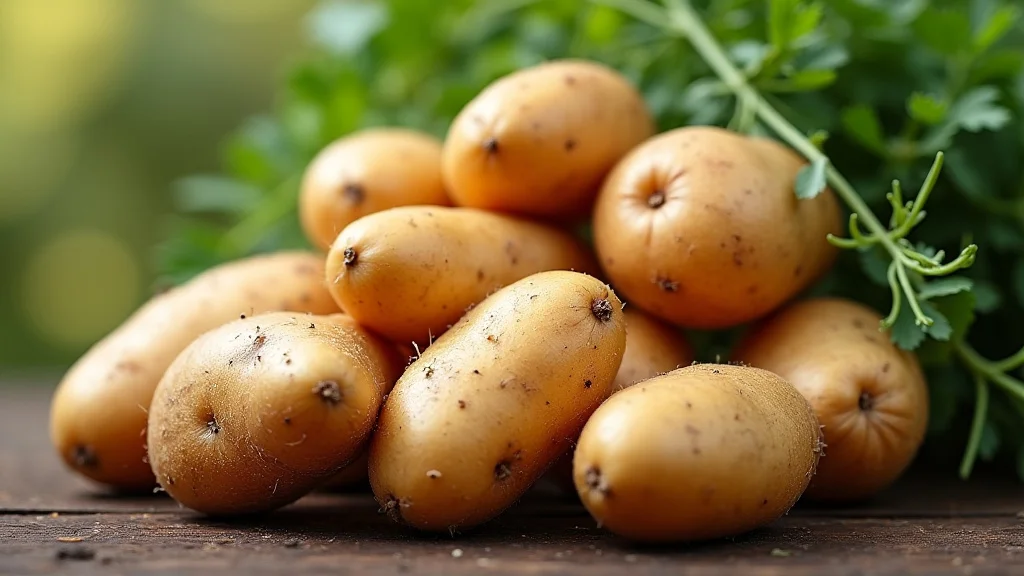
My neighbor, Sarah, always seems to have the most amazing potatoes. Last year, I saw her harvesting what looked like a treasure trove of plump, healthy caribou potatoes. I asked her secret, and she smiled, mentioning something about caribou potatoes and organic gardening practices. Intrigued, I delved into the topic. In this guide, you’ll discover the best practices for growing caribou potatoes organically, from selecting the right seeds to harvesting a delicious crop. You’ll learn the essential techniques to cultivate thriving plants and maximize your yield, creating a thriving and bountiful potato patch. Get ready to transform your garden and enjoy fresh, homegrown potatoes!
Key Takeaways
- Learn about the unique characteristics of caribou potatoes and their suitability for organic gardening.
- Discover effective methods for preparing your soil to promote healthy plant growth.
- Understand the importance of seed selection and proper planting techniques.
- Explore natural pest and disease control strategies.
- Master the art of watering and fertilizing caribou potatoes organically.
- Uncover the secrets to a successful harvest and storage.
Getting Started with Caribou Potatoes
Before you get your hands dirty, it’s beneficial to know a bit about caribou potatoes. They are a specific variety known for their rich flavor and attractive, often reddish skin. These potatoes are relatively easy to grow and are particularly well-suited to organic methods. Their natural resilience makes them a great option for gardeners looking to avoid chemical treatments. Choosing to grow them organically not only enhances the potato’s taste but also contributes to a healthier environment.
What Makes Caribou Potatoes Special?
Caribou potatoes distinguish themselves through their unique traits. They usually boast a slightly sweet, earthy flavor, different from other potato types. They’re often praised for their firm texture, making them excellent for boiling, roasting, and mashing. They have attractive, often reddish skin that holds up well during cooking. Compared to other varieties, caribou potatoes are often less susceptible to common potato diseases, making them a good option for organic gardeners who want to avoid frequent treatments. Their relatively short growing season also appeals to gardeners in regions with shorter summers.
- Flavor Profile: Caribou potatoes offer a slightly sweet, earthy taste that sets them apart.
- Texture: They have a firm texture perfect for various cooking methods.
- Appearance: Their reddish skin is visually appealing.
- Disease Resistance: Caribou potatoes are less prone to common potato diseases.
- Growing Season: They often have a shorter growing season, suitable for different climates.
Selecting the Right Seeds
Seed selection is a critical first step. Seek certified organic seed potatoes from a reliable source. Certified organic seed potatoes are grown without synthetic pesticides or fertilizers, aligning with organic gardening principles. Look for seed potatoes that are free from blemishes, cuts, and signs of disease. The size of the seed potato can impact sprouting; smaller seed potatoes will be ready to plant. Choosing the correct seed ensures a healthy start for your plants, reducing the risk of introducing diseases and pests into your garden. Consider local suppliers or online retailers that specialize in organic seeds.
- Certified Organic: Look for seed potatoes labeled as “certified organic.”
- Appearance: Select potatoes free from blemishes and signs of disease.
- Size: Smaller seed potatoes often sprout better, although this may not apply to all types.
- Source: Choose reputable suppliers for quality seeds.
- Variety: Consider the different varieties available before purchasing your seed potatoes.
Preparing the Soil
Proper soil preparation is the foundation of a good harvest. Caribou potatoes thrive in well-drained, slightly acidic soil. Before planting, perform a soil test to determine the pH level and nutrient content. Amend the soil with compost, well-rotted manure, or other organic matter to improve drainage and fertility. This is often done in the fall prior to spring planting. Aim to dig the soil to a depth of at least 12 inches to allow roots to grow down deep. The soil should be loose and friable. This supports root development and helps in creating a healthy environment. Consider adding a layer of mulch to maintain moisture levels, suppress weeds, and regulate soil temperature.
- Soil Test: Conduct a soil test to check the pH and nutrient levels.
- Amendments: Add compost, manure, or other organic matter.
- Drainage: Ensure the soil drains well to prevent rot.
- pH: Slightly acidic soil is optimal.
- Mulch: Use mulch to retain moisture and suppress weeds.
Planting and Early Care for Caribou Potatoes
Planting caribou potatoes follows specific steps to make sure of successful growth. Timing is essential; plant your seed potatoes after the last expected frost. Create trenches or hills, depending on your preferred method, for planting the potatoes. Space the plants appropriately, generally 12 to 15 inches apart, in rows. Once planted, cover the potatoes with soil and water thoroughly. Consistent watering, especially during dry periods, is essential. Avoid overwatering, which can lead to rot. Watch for the emergence of the first green shoots, a sign that the potatoes are growing well.
Planting Techniques
Choosing the right planting method can boost your caribou potato crop. Two common methods are trench planting and hill planting. Trench planting involves digging trenches and planting the seed potatoes in them, then gradually filling in the trenches as the plants grow. This method makes it easy to “hill” the potatoes, providing support for the stems and promoting the development of more potatoes. Hill planting involves creating mounds of soil or raised beds. Plant the seed potatoes on top of these mounds. This promotes good drainage, which is crucial for potato health.
- Trench Planting: Dig trenches, plant potatoes, and gradually fill in as the plant grows.
- Hill Planting: Plant potatoes on mounds of soil for improved drainage.
- Spacing: Space plants 12-15 inches apart in rows.
- Depth: Plant seed potatoes 4-6 inches deep.
- Watering: Water thoroughly after planting.
Watering and Fertilizing
Proper watering and fertilizing are essential for healthy potato development. Water the plants regularly, particularly during dry spells. Avoid overhead watering, which can promote fungal diseases; instead, water at the base of the plants. Fertilize your caribou potatoes with organic fertilizers, like compost tea or balanced organic fertilizers. Follow package instructions, as too much fertilizer can lead to lush foliage but fewer potatoes. Use mulch to help retain moisture and to suppress weeds, reducing the need for frequent watering. Make sure you don’t overwater.
- Watering Frequency: Water deeply and consistently, especially during dry periods.
- Watering Method: Avoid overhead watering.
- Organic Fertilizers: Use compost tea or balanced organic fertilizers.
- Fertilizer Amount: Follow instructions; avoid over-fertilizing.
- Mulch: Use mulch to retain moisture and suppress weeds.
Weeding and Hilling
Weeding and hilling are essential parts of potato care. Regularly remove weeds around the potato plants to reduce competition for nutrients and water. Hilling is the process of gradually mounding soil around the potato stems as they grow. This encourages the formation of more tubers along the stem. Start hilling when the plants are about 6 to 8 inches tall, and continue every few weeks until the plants begin to flower. This practice also helps prevent the potatoes from being exposed to sunlight, which causes them to turn green and produce solanine, a toxic compound. With regular attention to weeding and hilling, you can ensure a thriving potato crop.
- Weeding Frequency: Remove weeds regularly.
- Hilling Timing: Start hilling when plants are 6-8 inches tall.
- Hilling Frequency: Repeat hilling every few weeks.
- Purpose of Hilling: Encourages tuber formation and prevents greening.
- Care: Ensure the hilling process is done with care to not damage the growing plant.
Organic Pest and Disease Management
Maintaining a healthy garden ecosystem is key to organic pest and disease management. Inspect your caribou potatoes regularly for any signs of pest infestations or disease. Take action at the first sign of problems. Employ a range of organic methods to address pests and diseases, avoiding the use of synthetic pesticides and fungicides. Use companion planting, crop rotation, and beneficial insects to naturally control pest populations. These methods promote plant health and minimize the impact of pests and diseases.
Common Pests and Diseases
Several pests and diseases can affect caribou potatoes, but these issues can often be managed with organic practices. Common pests include Colorado potato beetles, aphids, and potato leafhoppers. Diseases include early blight, late blight, and potato scab. Early blight often appears as brown spots on the leaves. Late blight can spread rapidly in humid conditions. Potato scab causes rough patches on the potato skin. Early detection and proactive management are essential to prevent significant crop damage.
- Colorado Potato Beetles: Handpick or use organic insecticides like Bt.
- Aphids: Use insecticidal soap or introduce ladybugs.
- Potato Leafhoppers: Control with insecticidal soap or neem oil.
- Early Blight: Remove affected foliage and improve air circulation.
- Late Blight: Increase air circulation and consider copper-based fungicides.
Organic Pest Control Methods
There are many organic methods to control pests in your potato patch. For Colorado potato beetles, handpicking the beetles and their eggs is very effective. Use sticky traps to capture aphids and other small pests, or introduce beneficial insects like ladybugs, which prey on aphids. Use insecticidal soap or neem oil to control various pests. Regularly inspect your plants for signs of pest activity and address problems quickly. Crop rotation helps prevent the buildup of pests. With these methods, you can keep pests under control and protect your potato crop naturally.
- Handpicking: Manually remove pests like Colorado potato beetles.
- Beneficial Insects: Introduce ladybugs and other beneficial insects.
- Insecticidal Soap: Use to control aphids and other soft-bodied pests.
- Neem Oil: Apply to control various pests.
- Crop Rotation: Rotate crops each year to prevent pest buildup.
Organic Disease Control Methods
Effective organic disease control focuses on prevention and early intervention. Maintain good air circulation around your potato plants to reduce humidity, which fosters fungal diseases. Remove and destroy any infected plant parts immediately. Crop rotation is another excellent strategy to prevent disease buildup in the soil. Plant disease-resistant varieties if possible. For fungal diseases, consider using organic fungicides, such as copper-based or sulfur-based options, as a last resort. Keep your garden environment clean and avoid overhead watering to prevent the spread of diseases.
- Air Circulation: Promote good air movement around plants.
- Remove Infected Parts: Immediately remove and destroy diseased foliage.
- Crop Rotation: Rotate crops to prevent disease buildup.
- Resistant Varieties: Select disease-resistant potato varieties.
- Organic Fungicides: Use copper or sulfur-based fungicides as needed.
Harvesting and Storing Caribou Potatoes
The harvest and storage are the final steps in growing caribou potatoes. The timing of the harvest depends on the potato variety and the growing conditions. Caribou potatoes are generally ready to harvest when the plants begin to die back, around 90-110 days after planting. To check, you can gently dig around the base of a plant to see if the potatoes have reached a satisfactory size. Proper storage is necessary to extend the shelf life of your harvest and keep your potatoes in good shape for consumption. Follow the steps below for a successful harvest and optimal storage of your caribou potatoes.
Harvesting Techniques
The right harvesting techniques will help you gather a bountiful crop without damaging the potatoes. Use a garden fork or spade to carefully loosen the soil around the plants. Dig gently to avoid piercing the potatoes. Begin digging a few inches away from the plant stems. Once the soil is loosened, carefully lift the plants and harvest the potatoes. Be careful not to bruise or cut the potatoes, as these can lead to storage problems. After harvesting, gently brush off any excess soil from the potatoes. Cure your potatoes to promote longer storage.
- Timing: Harvest when plants begin to die back.
- Tools: Use a garden fork or spade.
- Technique: Dig gently to avoid bruising.
- Handling: Brush off excess soil and handle potatoes carefully.
- Curing: Cure potatoes before storage.
Curing and Storage
Curing and proper storage of caribou potatoes are crucial for extending their shelf life. After harvesting, let the potatoes cure for a couple of weeks in a cool, dark, and well-ventilated location. This helps to harden the skin and heal any minor cuts or bruises, making them more suitable for long-term storage. After curing, store the potatoes in a cool, dark, and humid place, ideally around 35-40°F (2-4°C). Basements, cellars, or root cellars work well. Keep them in a well-ventilated container, such as a crate or a paper bag, to allow for air circulation. Avoid storing potatoes with apples or other fruits that release ethylene gas, as this can cause them to spoil.
- Curing Location: Cool, dark, and well-ventilated area.
- Curing Time: Approximately two weeks.
- Storage Conditions: Cool, dark, and humid (35-40°F).
- Containers: Use crates or paper bags.
- Avoid: Do not store with ethylene-producing fruits.
Common Myths Debunked
Myth 1: You need to use chemical fertilizers to get a good potato yield.
In reality, you don’t need synthetic fertilizers to have a good potato yield. Organic gardening techniques, like enriching the soil with compost and well-rotted manure, provide the nutrients potatoes need. These methods improve soil structure and make it easier for plants to absorb essential nutrients. Cover crops can also boost soil fertility and improve harvests. By using these practices, you can have a plentiful crop without the risks associated with chemical fertilizers.
Myth 2: All potato bugs must be eliminated with pesticides.
While potato bugs, or Colorado potato beetles, are a concern, they don’t automatically require pesticides. You can control these pests by handpicking the adults and eggs. Introducing beneficial insects, like ladybugs, is a natural way to control their population. Regular inspection and a quick response to pest activity can stop outbreaks without the use of harmful chemicals. Organic gardening uses integrated pest management, keeping a balanced ecosystem in the garden.
Myth 3: Potatoes must be watered every day to grow well.
The truth is, consistent watering is essential, but not necessarily daily. The frequency depends on the weather and the soil type. Overwatering can lead to rot and fungal diseases. It is better to water deeply but less often. Using mulch helps conserve moisture, lessening the need for frequent watering. Monitoring soil moisture and adjusting the watering schedule is the key to healthy potato growth. This will help you know how frequently your caribou potatoes need to be watered.
Myth 4: All potato plants need to be treated with fungicide.
The idea that all potato plants require fungicides is misleading. Many times, you can prevent diseases by using proper practices like crop rotation, adequate air circulation, and planting disease-resistant types. In cases of significant disease, organic fungicides like copper-based sprays can be used, but this should be a last resort. Consistent soil health and regular observation will minimize the need for fungicides. Keeping plants healthy is key, minimizing any need for treatment.
Myth 5: Storing potatoes is a difficult process.
Storing potatoes doesn’t have to be hard. The process involves curing and keeping them in a cool, dark, and humid place. Basements, cellars, or root cellars work well. It is important to handle potatoes carefully during harvest, and removing any soil. If you follow these basic steps, your harvested caribou potatoes will stay fresh and delicious for several months. Easy steps make storage simple and extend the life of your crop.
Frequently Asked Questions
Question: What is the best soil for growing caribou potatoes?
Answer: Caribou potatoes do best in well-drained, slightly acidic soil that’s rich in organic matter. A pH of around 6.0 to 6.5 is ideal.
Question: How often should I water my caribou potatoes?
Answer: Water deeply and regularly, especially during dry spells. Check the soil moisture, and water when the top inch or two feels dry. Avoid overwatering.
Question: When should I harvest my caribou potatoes?
Answer: Harvest caribou potatoes when the plants begin to die back, typically around 90 to 110 days after planting.
Question: How do I control potato beetles organically?
Answer: Handpick the beetles and their eggs. Introducing beneficial insects like ladybugs is helpful. Insecticidal soap can also be effective.
Question: How do I store caribou potatoes after harvesting?
Answer: Cure the potatoes for about two weeks, and store them in a cool, dark, humid place, such as a basement or root cellar. Make sure there is good air circulation.
Final Thoughts
Growing caribou potatoes organically offers a rewarding experience, from planting the seeds to savoring the harvest. By selecting the right seeds, preparing your soil, and implementing effective organic pest and disease control, you can cultivate a thriving potato patch. Master the art of hilling and consistent watering to ensure healthy plant development. With proper curing and storage techniques, you can enjoy your homegrown caribou potatoes for months. Embrace these simple practices and watch your garden flourish. Now, go forth and dig in, and enjoy your delicious, homegrown potatoes.