Gardening Tips for UK Gardens: Insights from BBC News
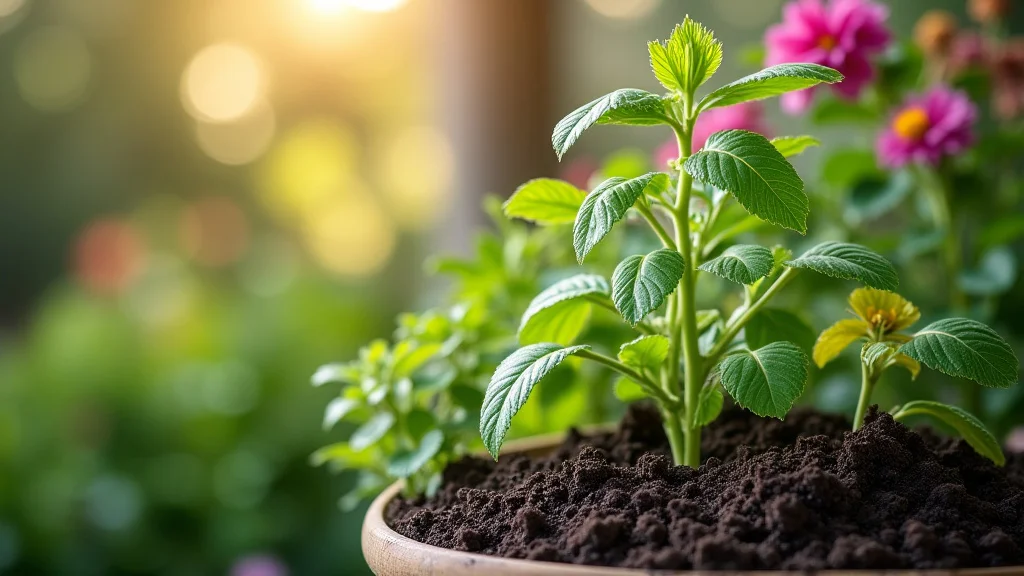
Remember that time your tomato plant withered, despite all your watering? Gardening in the UK can be tricky! The weather, the soil, and even the local pests all play a role. Whether you’re a seasoned gardener or just starting, figuring out the best ways to nurture your plants can be challenging. Luckily, there’s a wealth of information available, and resources like BBC News – gardening tips in UK offer valuable advice. This blog post will explore the core aspects of growing a thriving garden in the UK, equipping you with essential knowledge and practical techniques. You’ll gain a deeper appreciation for the nuances of British gardening and improve your chances of enjoying a beautiful, productive garden. Let’s explore how to make the most of the UK’s unique climate and soil conditions, drawing on advice from BBC News – gardening tips in UK.
Key Takeaways
- Learn about the UK’s climate and its impact on your garden.
- Discover the best plants to grow in the UK’s specific conditions.
- Find out how to prepare your soil for optimal plant growth.
- Get tips on dealing with common garden pests and diseases.
- Master essential gardening techniques like pruning and watering.
- Understand the benefits of different gardening methods for your needs.
Understanding the UK Climate and Gardening
The United Kingdom’s climate, known for its unpredictable weather, profoundly influences gardening. The British Isles experience a temperate maritime climate, characterized by cool, wet winters and mild, often cloudy summers. Rainfall is fairly evenly distributed throughout the year, but the amount can vary drastically depending on the region. The south and west generally receive more rainfall compared to the east. This climate presents both opportunities and challenges for gardeners. For example, the mild winters allow some plants to survive and thrive. However, the frequent rain and cloud cover can limit the amount of sunlight available for plant growth. Proper planning and plant selection are essential for success.
Choosing Plants Suited to the UK Climate
The selection of plants is vital for a thriving UK garden. Choosing varieties that are adaptable to the local climate will set you up for success. This means prioritizing plants that can withstand the cooler temperatures, heavy rainfall, and variable sunlight conditions. Consider incorporating plants that are native to the UK as they are naturally suited to these conditions and often require less care. Think about the microclimate within your garden too. Sheltered areas near buildings or walls may be warmer and drier, creating microclimates that enable the growth of plants that enjoy more sunlight. Conversely, areas that remain damp or shady will be perfect for plants that thrive in these situations.
Selecting Plants for Different Regions
The UK is not just one uniform environment; there’s a range of microclimates and regional variations. The coastal areas, particularly in the southwest, benefit from milder winters due to the influence of the Gulf Stream. These regions are suitable for growing subtropical plants. In contrast, the highlands of Scotland experience harsher winters and shorter growing seasons. So, your location will greatly affect plant choice. Consider the specific conditions in your area, and research the local plant nurseries for advice on what grows best where you are located. A well-chosen plant collection ensures a beautiful, long-lasting, and easily maintained garden.
- Consider plants suited to your area.
- Coastal areas provide better growing conditions.
- Research plants native to the UK.
- Look to local nurseries for advice.
Popular Plants for UK Gardens
Several plant types are very well suited for the UK climate, offering beauty and practicality. Perennials like lavender, echinacea, and hostas are hardy and can withstand varying conditions. They return year after year, providing color and texture to your garden with minimal effort. Shrubs like roses, hydrangeas, and camellias are also excellent choices, offering a longer season of visual interest. For vegetable gardens, consider growing crops that are relatively cold-tolerant and fast-growing, such as lettuce, radishes, and spinach. These crops can provide fresh produce even when the weather is not at its best.
These are the common plant choices in UK gardens:
- Lavender: Drought-tolerant and attracts pollinators.
- Roses: A huge number of varieties to fit any garden.
- Hydrangeas: Thrive in moist, shady areas.
- Tomatoes: Requires protection from frost.
Tips for Planting in the UK
Planting in the UK requires some attention to detail. The best time to plant varies depending on the species and the regional climate. Generally, spring is a great time to start, but for some plants, autumn is ideal as it allows the roots to establish before the winter. Prepare the soil by improving drainage and adding organic matter, which enhances water retention and fertility. Space plants appropriately to allow for growth and air circulation, reducing the chances of diseases. Water plants regularly, especially during dry periods.
- Check your soil type.
- Water plants to support their growth.
- Use well-draining soil.
- Allow for good air circulation.
Soil Preparation and Maintenance
Soil quality is very important for a healthy garden. Good soil holds water, contains nutrients, and provides the foundation for plant growth. In the UK, soil types can vary greatly, from clay-rich soil in some areas to sandy soil in others. The best way to understand your soil is to do a soil test. This will reveal its pH level and nutrient content. You can then amend the soil to correct any deficiencies. The goal is to create a well-draining, fertile soil that supports plant growth.
Improving Your Soil
Improving the soil is a step that requires consistent effort. Adding organic matter, like compost or well-rotted manure, is key. This increases the soil’s water-holding capacity, improves drainage, and adds essential nutrients. Regularly digging or turning the soil helps to improve aeration and prevents compaction. Consider adding other soil amendments, such as lime, if your soil is too acidic. If you have heavy clay soil, adding grit or sand can improve drainage.
- Adding compost enhances soil health.
- Regularly aerate to improve air flow.
- A soil test is the best option.
- Add amendments such as lime.
Watering and Fertilizing
Proper watering and fertilizing are vital aspects of garden maintenance. The UK’s rainfall can be generous, but periods of drought can occur, especially in the summer. Water deeply and less frequently, encouraging deep root growth. Always water at the base of the plant to avoid wetting the foliage. Fertilizing provides the necessary nutrients for plants to thrive. Choose fertilizers based on the specific needs of your plants and follow the instructions on the packaging.
Different soil types will have different watering and fertilizing needs:
- Sandy Soil: Needs more frequent watering and fertilizing, as water and nutrients drain quickly.
- Clay Soil: Retains water and nutrients longer, so it requires less frequent watering but regular fertilizing.
Dealing With Garden Pests and Diseases
Garden pests and diseases can ruin even the most beautifully kept gardens. Being able to identify, control, and, ideally, prevent these issues is a key skill for gardeners. The UK’s mild, humid climate creates the perfect conditions for pests and diseases to thrive. Therefore, it’s essential to stay vigilant and employ proactive management strategies to protect your plants. Early detection is very important, as many problems are easier to handle when identified early.
Common Pests in UK Gardens
Various pests are commonly found in UK gardens. Aphids, slugs, snails, and caterpillars can cause significant damage. Aphids are small, sap-sucking insects that can quickly multiply. Slugs and snails feed on foliage, and caterpillars can devour leaves and flowers. Monitor your plants regularly for signs of pest infestations. Use organic pest control methods whenever possible. These might include introducing beneficial insects, using sticky traps, or handpicking pests.
- Aphids: Small insects that suck sap.
- Slugs and Snails: Feed on leaves.
- Caterpillars: Eat foliage.
- Vine Weevils: Root feeders.
Combating Garden Diseases
Common garden diseases in the UK include fungal infections like powdery mildew and black spot, along with various bacterial infections. Powdery mildew appears as a white, powdery coating on leaves. Black spot causes black spots on rose leaves. Good gardening practices can help prevent these diseases. These include providing good air circulation, watering at the base of the plants, and removing and disposing of infected leaves promptly. Applying organic fungicides can also help manage disease outbreaks.
- Powdery Mildew: A white, powdery coating on leaves.
- Black Spot: Black spots on rose leaves.
- Leaf Spot: Brown or yellow spots on foliage.
- Rust: Orange or brown spots on leaves.
Essential Gardening Techniques
Mastering essential gardening techniques, such as pruning, watering, and mulching, can significantly increase your garden’s health and productivity. These practices require skill and patience but will greatly improve the beauty and health of your garden. Each method serves a specific purpose, contributing to the overall well-being of the plants and the beauty of your garden. By becoming well-versed in these techniques, you can ensure a beautiful garden and improve its resilience.
Pruning Techniques
Pruning is essential for maintaining plant health and shape. It involves removing dead, damaged, or overgrown branches. Pruning stimulates new growth, encourages flowering, and improves air circulation, reducing the risk of disease. The best time to prune depends on the plant species. Some plants are best pruned in winter, while others benefit from pruning after flowering. Always use sharp tools and make clean cuts to prevent disease transmission.
- Deadheading: Removes faded flowers to encourage new blooms.
- Shaping: Training plants for aesthetic appeal.
- Thinning: Removing branches to improve air circulation.
- Hard Pruning: Cut back older wood to encourage new growth.
Watering and Mulching Techniques
Watering correctly and mulching effectively are essential aspects of good gardening. Water deeply and less frequently to encourage deep root growth. Water at the base of the plant to avoid wetting the foliage, reducing the risk of fungal diseases. Mulching involves covering the soil surface with a layer of organic material, such as wood chips or compost. Mulch helps retain moisture, suppress weeds, and regulate soil temperature.
Other Essential Gardening Techniques
There are many other gardening techniques that will help you. Weeding is important; weeds compete with your plants for resources, so removing them regularly is important. Proper plant support, such as staking or trellising, is necessary for certain plants, like tomatoes or climbing roses. Regular feeding, using compost or organic fertilizer, provides plants with the essential nutrients they need. Also, learn about crop rotation; rotating your crops will help maintain soil health and reduce the risk of pests and diseases.
Gardening Methods and Their Benefits
Several gardening methods are available, each with unique advantages. Understanding these methods can help you choose the best approach for your garden and goals. From traditional methods to more modern and sustainable practices, each technique offers a pathway to a flourishing garden. Considering the amount of space and time you have, you can select the right method. Whether you focus on vegetables, flowers, or a mix of both, the right approach will support your garden’s success.
Traditional Gardening
Traditional gardening methods involve using established practices, often passed down through generations. These methods typically involve preparing soil by hand, using traditional tools, and relying on natural fertilizers. Traditional gardening often involves monoculture (growing a single crop in one area), and it can require a lot of manual effort. While it may take more time, traditional gardening lets you create a close connection with your garden.
- Involves manual methods.
- Uses traditional tools and methods.
- Includes planting in rows.
- May use natural fertilizers.
Organic Gardening
Organic gardening focuses on using natural methods to grow plants without synthetic fertilizers, pesticides, or herbicides. It emphasizes building healthy soil, using compost, and choosing disease-resistant varieties. Organic gardening promotes biodiversity and supports a healthy ecosystem, attracting beneficial insects. It can take more effort and time, but it results in food and flowers that are better for the environment and your health.
Container Gardening
Container gardening involves growing plants in pots, containers, and hanging baskets. It’s a great choice for those with limited space, small gardens, or no garden at all. Container gardening allows you to control the soil type, water, and nutrients. It’s also flexible; you can move the plants around to adjust for light and weather conditions. Remember to choose appropriate-sized containers with good drainage.
- Choose suitable container sizes.
- Use potting mix.
- Water regularly.
- Fertilize as needed.
Common Myths Debunked
Myth 1: You need a lot of land to garden.
In reality, you don’t require vast acreage to enjoy gardening. Container gardening, raised beds, and even small balcony gardens are great options. You can grow herbs, vegetables, and flowers in limited spaces and still enjoy the benefits of gardening.
Myth 2: Gardening is only for experienced people.
Gardening is an activity for everyone, regardless of experience. Many resources are available, including books, online guides, and local gardening clubs, to get you started. Start with simple projects and gradually build your skills and knowledge.
Myth 3: All pests must be eliminated.
Not all insects are harmful. Many beneficial insects, like ladybugs and lacewings, help control pests. A balanced garden ecosystem includes both beneficial and less desirable insects. Focus on pest management rather than total eradication.
Myth 4: You need to water your garden every day.
The watering frequency depends on your soil, climate, and plants. Overwatering can be just as harmful as underwatering. Water deeply but less frequently, allowing the soil to dry out between waterings. Monitor your plants and adjust your watering schedule accordingly.
Myth 5: Gardening is too much work.
Gardening requires some effort, but it’s not overwhelming. Choose plants that suit your lifestyle and available time. Break down tasks into smaller steps, and make gardening a relaxing activity. Gardening is a rewarding hobby that provides you with both physical and mental benefits.
Frequently Asked Questions
Question: When is the best time to plant?
Answer: The best time to plant depends on the plant species and your local climate. Generally, spring and autumn are great times for planting in the UK.
Question: How often should I water my plants?
Answer: Water deeply but less frequently, allowing the soil to dry out between waterings. Adjust your watering schedule based on weather conditions and the needs of your plants.
Question: What’s the best way to deal with pests?
Answer: Early detection and identification of pests is very important. Organic pest control methods are preferable, like introducing beneficial insects, using sticky traps, or handpicking pests.
Question: How can I improve my soil?
Answer: Add organic matter, like compost or well-rotted manure, to improve drainage and fertility. Regular digging or turning will also improve air flow, and consider soil tests to identify and correct any deficiencies.
Question: Can I grow vegetables in containers?
Answer: Yes, you can. Container gardening is very popular in the UK. Many vegetables, such as tomatoes, peppers, and herbs, can be grown in containers.
Final Thoughts
Gardening in the UK, guided by resources such as BBC News – gardening tips in UK, can be a highly rewarding pursuit. The unpredictable climate provides distinct challenges and opportunities for gardeners. By understanding the climate, choosing suitable plants, preparing the soil, and employing the right techniques, you can transform your garden into a place of beauty and productivity. Remember that success involves learning the local conditions and adjusting your practices accordingly. Whether you have a vast garden or a small patio space, the principles remain the same: patient observation, consistent care, and a willingness to learn. By embracing these principles, you’ll be well on your way to a thriving garden. Start today by exploring the advice in this blog, and don’t be afraid to experiment, and enjoy the experience of growing!