101 Gardening Tips for a Thriving and Beautiful Garden
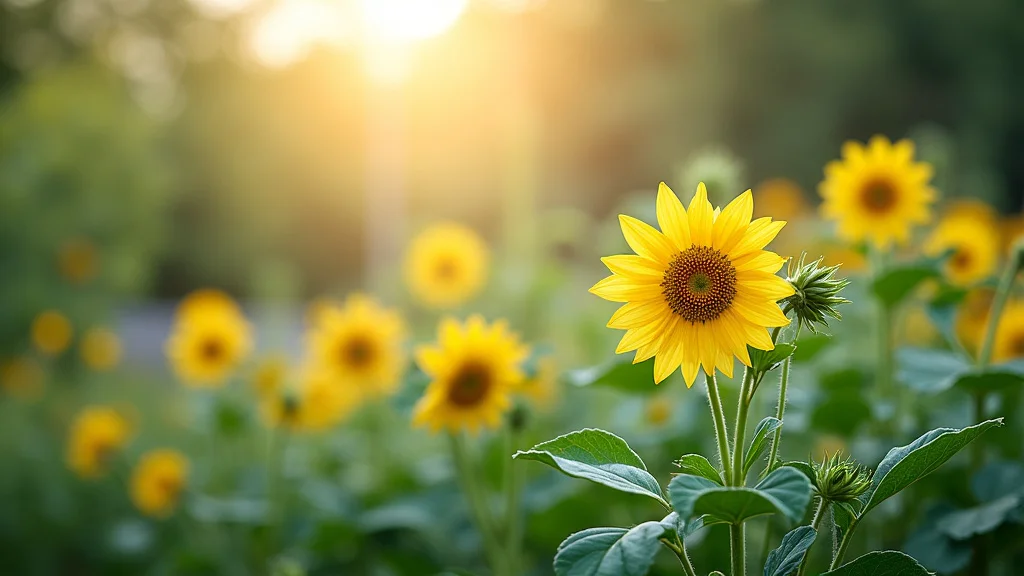
Remember that time you tried to grow tomatoes and they shriveled up before you could even taste one? Been there! Gardening can seem tricky, but with a little know-how, anyone can cultivate a flourishing garden. This post is packed with 101 gardening tips, from beginner basics to advanced techniques, to help you transform your space. You’ll explore how to plan your garden, nurture your plants, and keep them healthy. Get ready to learn everything you need to know to grow your own beautiful oasis, improving your gardening skills. We’ll share some simple steps to cultivate your own space and get better results in your garden, which will increase your garden’s aesthetic value. By the end, you’ll feel confident and inspired to get your hands dirty and make your gardening dreams a reality!
Key Takeaways
- Learn essential 101 gardening tips for beginners and experienced gardeners.
- Discover how to plan and prepare your garden for optimal growth.
- Explore effective techniques for planting, watering, and feeding your plants.
- Gain insights into controlling pests and diseases naturally.
- Understand how to choose the right plants for your climate and space.
- Get tips for maintaining your garden throughout the growing season.
Planning Your Garden: Setting the Stage for Success
Before you even think about planting, careful planning is crucial for a successful garden. This involves evaluating your space, selecting the right plants, and creating a layout that maximizes sunlight, water drainage, and accessibility. Think of it like building a house – you wouldn’t start without a blueprint! Proper planning prevents many common gardening mistakes and sets the foundation for a beautiful and productive space. Let’s explore how to prepare the ideal environment for your plants to thrive.
Assessing Your Space: Sun, Soil, and Shelter
The first step is understanding your garden’s unique characteristics. Observe how much sunlight different areas receive throughout the day. Most vegetables need at least six hours of direct sunlight, while some shade-loving plants can thrive in less. Then, test your soil. You can purchase a soil test kit from a garden store. This test will reveal the soil’s pH level and nutrient content. Shelter from strong winds is also important, as this can damage plants. Note areas that may receive a lot of wind, or are sheltered.
- Sunlight Assessment: Observe your garden throughout the day to determine how much sunlight different areas receive. Note which areas get full sun (6+ hours), partial sun (4-6 hours), or shade (less than 4 hours).
- Soil Testing: Test your soil’s pH and nutrient levels. This can be done with a simple soil test kit purchased from a local garden center.
- Wind Protection: Identify any areas exposed to strong winds. Consider planting windbreaks, such as hedges or fences, to protect your plants.
- Water Drainage: Evaluate your soil’s drainage. Does water pool after rain, or does it drain quickly? Well-draining soil is essential to prevent root rot.
Understanding the amount of sunlight helps you select plants that will thrive in your specific location. For example, tomatoes, peppers, and cucumbers love full sun, while lettuce, spinach, and many herbs can tolerate partial shade. Using this knowledge will directly impact the growth of your garden plants.
Soil tests provide crucial information about the soil’s composition. You can then add the appropriate amendments to improve soil health. This might include adding compost for nutrients, lime to raise the pH, or sulfur to lower it. Healthy soil is the base of any successful garden.
Strong winds can damage plants by drying out the soil, breaking stems, and even blowing away seeds. Windbreaks reduce wind speed and create a more favorable growing environment. The type of windbreak you choose depends on your space and the severity of the wind.
Poor drainage can be a significant problem in gardens, leading to root rot and plant death. If your soil drains poorly, consider amending it with organic matter like compost or installing raised beds. This helps excess water drain away from the plants’ roots.
Choosing the Right Plants: Match the Plant to Your Place
Selecting the right plants is essential for a thriving garden. Consider your climate, the amount of sunlight your garden receives, and your personal preferences. Some plants are better suited to certain climates than others, and some require more or less care. Understanding these factors will increase your chances of success and enjoyment.
- Consider Your Climate: Research which plants thrive in your specific climate zone (USDA Hardiness Zone).
- Assess Sunlight: Match plants to the amount of sunlight your garden receives. Sun-loving plants need at least 6 hours of direct sunlight.
- Consider Your Preferences: Choose plants that you enjoy eating or that you find beautiful.
- Space Constraints: Take into account the size of your available space.
The USDA Hardiness Zone map divides the country into zones based on average minimum winter temperatures. Choosing plants appropriate for your zone will help them survive harsh winters. For example, if you live in a colder zone, you should choose plants that can withstand freezing temperatures.
Plants have different light requirements. Knowing how much sunlight your garden gets will help you choose the right plants. For example, vegetables like tomatoes, peppers, and zucchini need a lot of sunlight, while leafy greens like lettuce can thrive in partial shade.
Gardening should be a pleasurable experience! Select plants you love to eat, enjoy looking at, or want to use. This way, you will be more motivated to care for your garden. If you enjoy cooking, consider growing herbs and vegetables that you can use in your kitchen.
Consider the mature size of your plants when deciding where to put them. Ensure each plant has enough space to grow without crowding. If you have a small garden, consider growing compact varieties of vegetables and herbs or using vertical gardening techniques.
Garden Design: Layout and Arrangement
A well-designed garden is both functional and aesthetically pleasing. Consider the arrangement of your plants, the pathways, and any features you want to incorporate. A good design makes your garden easier to maintain and more enjoyable to spend time in. The overall layout will also impact the health of your plants.
- Plan Pathways: Create pathways for easy access to all parts of your garden.
- Group Plants: Group plants with similar needs together.
- Consider Aesthetics: Arrange plants for visual appeal, considering height, color, and texture.
- Use Raised Beds: Consider raised beds if you have poor soil, limited space, or mobility issues.
Pathways are important for moving around the garden without disturbing the plants. Consider using materials like gravel, mulch, or stepping stones to define pathways. Make sure the pathways are wide enough for a wheelbarrow or gardening tools.
Group plants with similar water, sunlight, and soil requirements together. This simplifies watering and fertilization. For example, group sun-loving, drought-tolerant plants in one area and shade-loving plants that prefer moist soil in another.
Think about the overall look of your garden. Mix plants with different heights and textures to create visual interest. You can use colorful flowers to attract pollinators or create a calming green space with various foliage plants. It’s about personal style!
Raised beds offer many advantages, including improved drainage, better soil control, and easier access for planting and weeding. They are also useful in small spaces and can be customized to fit your needs.
Planting and Nurturing: From Seed to Harvest
Once you’ve planned your garden, it’s time to get your hands dirty and start planting! This involves preparing the soil, choosing the right planting methods, and providing proper care. This section explores planting techniques and essential tips for nurturing your plants. These practices ensure healthy growth and plentiful harvests.
Soil Preparation: The Foundation of Growth
Healthy soil is the foundation of a successful garden. It provides essential nutrients, water, and air to plant roots. Preparing your soil properly ensures that your plants can thrive. The condition of your soil directly impacts the plant’s health and the amount of food they produce.
- Remove Weeds and Debris: Clear the area of weeds, rocks, and any debris.
- Amend the Soil: Add compost, aged manure, or other organic matter to improve soil structure and fertility.
- Test and Adjust pH: Test your soil’s pH and adjust it if necessary, using lime to raise the pH or sulfur to lower it.
- Tilling and Loosening: Till or loosen the soil to improve aeration and root growth.
Removing weeds prevents competition for resources like water and nutrients. Remove rocks and debris to allow roots to grow freely. A clean start is key!
Organic matter adds nutrients, improves drainage, and helps the soil retain water. Compost is an excellent choice for improving soil quality. Mix the organic matter thoroughly into the top 6-8 inches of soil.
Plants have specific pH preferences. Soil pH affects the availability of nutrients. Test your soil and add lime or sulfur accordingly. These are readily available at garden centers.
Tilling breaks up compacted soil, making it easier for roots to penetrate. Be careful not to till too deeply, as this can damage the soil structure and bring weed seeds to the surface.
Planting Methods: Seeds, Seedlings, and More
There are several ways to plant your garden, each with its advantages. Choosing the right method depends on the plant, your climate, and your experience. Whether you start from seeds or use seedlings, the key is to give your plants the best possible start. Let’s explore several options for planting and the best practices for each!
- Starting Seeds Indoors: Start seeds indoors 6-8 weeks before the last expected frost.
- Direct Sowing Seeds: Sow seeds directly into the garden after the danger of frost has passed.
- Transplanting Seedlings: Purchase seedlings from a garden center or transplant those you started indoors.
- Spacing and Depth: Follow seed packet instructions for spacing and depth.
Starting seeds indoors allows you to get a head start on the growing season. This is useful for plants with long growing seasons, like tomatoes and peppers. Provide plenty of light to prevent seedlings from becoming leggy.
Direct sowing is easier for plants that don’t transplant well, like carrots and radishes. Follow the seed packet instructions for spacing and depth. Water gently after sowing.
Transplanting seedlings is a quick way to get your garden started. Harden off seedlings by gradually exposing them to outdoor conditions before transplanting. Dig holes large enough to accommodate the root ball.
Proper spacing and depth are crucial for healthy plant growth. Overcrowding can lead to disease. Dig holes or create furrows according to the seed packet recommendations and gently cover the seeds or roots.
Watering and Feeding: Nurturing Your Plants
Regular watering and feeding are crucial for plant health and productivity. Understanding your plants’ needs and providing the right nutrients ensures they grow strong and healthy. Proper watering and feeding will keep your plants happy!
- Watering Techniques: Water deeply and regularly, especially during dry spells.
- Watering Frequency: The frequency of watering depends on the weather, the plant, and the soil type.
- Fertilizing Your Plants: Use fertilizers based on the plant’s needs.
- Types of Fertilizers: Choose between organic and inorganic fertilizers.
Water deeply to encourage deep root growth. Avoid shallow watering, which leads to shallow root systems. Water early in the morning to reduce water loss from evaporation and to prevent fungal diseases. You might want to consider the use of drip irrigation.
Water more frequently during hot, dry weather and less during cool, rainy periods. Observe your plants for signs of water stress, such as wilting leaves. Check the soil moisture before watering.
Fertilizers provide essential nutrients that plants need to grow. Choose fertilizers appropriate for the type of plant, whether it is a vegetable, flower, or shrub. Follow the package directions for application rates.
Organic fertilizers release nutrients slowly and improve soil health. Inorganic fertilizers provide a quick boost but may not be as sustainable. Organic fertilizers are usually sourced from natural sources like compost or manure, while inorganic fertilizers are produced through chemical processes.
Pest and Disease Management: Keeping Your Garden Healthy
Pests and diseases can be a gardener’s worst nightmare, but there are many ways to manage these issues. This section focuses on identifying common problems and implementing effective control strategies. By implementing these practices, you can create a thriving garden.
Identifying Pests: Know Your Enemy
Identifying pests is the first step in controlling them. Knowing what you’re dealing with helps you choose the right control methods. Learn to recognize common garden pests and understand the damage they cause, and you can take quick action.
- Common Pests: Learn to identify common garden pests such as aphids, slugs, and caterpillars.
- Inspect Regularly: Inspect your plants regularly for signs of pests.
- Damage: Understand the damage caused by different pests.
- Beneficial Insects: Learn to identify beneficial insects that can help control pests.
Observe your plants regularly for signs of pests, such as holes in leaves, wilting, or unusual growth. Common pests include aphids, which suck sap from plants, slugs, which eat leaves, and caterpillars, which devour foliage.
Early detection is key to controlling pests. Check the undersides of leaves, stems, and fruits. Look for any changes in the plant’s appearance, such as discoloration or deformities. Regular inspections allow you to take action before the infestation gets out of control.
Knowing what type of damage a pest inflicts will help you identify the culprit. Holes in leaves may indicate a caterpillar infestation, while wilting could mean aphids are draining the plant’s sap. Knowing the type of damage can help you select the most effective treatment.
Not all insects are harmful. Ladybugs, lacewings, and other beneficial insects prey on pests, helping to keep your garden in balance. Creating a welcoming environment for beneficial insects can reduce the need for pesticides.
Controlling Pests: Natural and Effective Methods
There are many eco-friendly ways to control pests. This is more sustainable and often safer for your garden. This section explores several effective methods for controlling pests without harmful chemicals. Protecting the garden is a key component to keeping the garden safe and healthy.
- Handpicking: Handpick pests like caterpillars and squash bugs.
- Insecticidal Soap and Oils: Use insecticidal soap or horticultural oil to control aphids and other soft-bodied insects.
- Companion Planting: Plant herbs and flowers that repel pests, like marigolds and basil.
- Physical Barriers: Use row covers or netting to protect plants from pests.
This is a simple, effective method for controlling pests on a small scale. Inspect your plants regularly and remove any pests you find. Drop the pests into a bucket of soapy water to kill them. This method is especially useful for controlling larger pests.
These products are made from natural ingredients and are effective against various pests. They work by disrupting the pests’ protective outer layers or suffocating them. Apply carefully, following label instructions.
Companion planting involves planting specific plants together to benefit each other. Some plants, like marigolds, repel pests, while others attract beneficial insects. This is an easy way to naturally keep pests at bay. Planting basil alongside tomatoes and peppers helps to repel aphids.
Physical barriers prevent pests from reaching your plants. Row covers are lightweight fabrics that can be draped over plants to protect them from insects and other pests. Netting protects fruits and vegetables from birds and other animals.
Identifying and Managing Diseases: Keeping Plants Healthy
Plant diseases can be devastating if not addressed promptly. Identifying diseases and taking appropriate action is key to maintaining a healthy garden. Understanding the signs of common diseases will help you take preventative measures.
- Common Diseases: Learn to identify common garden diseases such as blight, mildew, and rust.
- Prevention: Prevent diseases by providing good air circulation, watering at the base of plants, and using disease-resistant varieties.
- Treatments: Treat diseases with appropriate fungicides or other treatments.
- Remove Infected Plants: Remove and dispose of infected plants to prevent the spread of disease.
Common diseases include blight, which causes dark spots on leaves, powdery mildew, which appears as a white coating, and rust, which causes orange or brown spots. Inspect your plants regularly for any signs of disease.
Preventative measures are essential for managing diseases. Good air circulation prevents fungal diseases by allowing leaves to dry quickly. Water at the base of plants to avoid wetting the foliage. Planting disease-resistant varieties will also improve plant health.
Treat diseases early to prevent their spread. Use fungicides or other treatments according to the product instructions. Copper-based fungicides are often used to treat fungal diseases, while neem oil can be used for various problems.
If a plant is severely infected, remove and dispose of it immediately. Avoid composting diseased plants, as this could spread the disease. Clean and disinfect your gardening tools after handling diseased plants.
Maintenance Through the Seasons: Keeping Your Garden Thriving
Gardening is an ongoing process that continues throughout the growing season. Regular maintenance ensures your plants remain healthy and productive. This includes tasks such as weeding, pruning, and harvesting. Here’s how to maintain your garden through all the seasons.
Weeding: Controlling Unwanted Growth
Weeds compete with your plants for water, nutrients, and sunlight, so controlling them is crucial. Regular weeding keeps your garden healthy and productive. There are many effective weeding methods!
- Regular Weeding: Weed your garden regularly.
- Mulching: Use mulch to suppress weed growth.
- Weed Removal Tools: Use appropriate tools, such as hoes and weed pullers, for efficient weeding.
- Preventative Measures: Prevent weed growth by using pre-emergent herbicides or by planting densely.
Weed your garden at least once a week to prevent weeds from taking over. Hand-weeding is best. This method keeps weeds under control before they have a chance to spread.
Mulch covers the soil, preventing weed seeds from germinating. It also helps retain moisture and regulate soil temperature. Organic mulches, like wood chips or straw, also add nutrients to the soil as they decompose.
Choose the tool that works best for your garden. For example, a hoe is useful for removing weeds from between rows of plants, while a weed puller is useful for removing weeds that have deep roots.
Pre-emergent herbicides prevent weed seeds from germinating, while dense plantings can shade the soil, reducing weed growth. Make sure to use these methods carefully and follow the instructions.
Pruning: Shaping and Supporting Your Plants
Pruning encourages healthy growth and productivity. The right pruning techniques depend on the plant type. Proper pruning improves the plant’s shape and supports its growth and yield.
- Pruning Techniques: Learn the basics of pruning different types of plants.
- Pruning Tools: Use the right tools, such as pruning shears and loppers.
- Timing: Prune at the correct time of year for each plant.
- Deadheading: Remove spent flowers to encourage more blooms.
Pruning techniques vary depending on the plant. For example, some plants, like tomatoes, need to have suckers removed to focus growth on the main stem, while others require shaping to maintain their desired form.
Use sharp, clean tools to make clean cuts. Dull tools can tear stems, making the plant more susceptible to disease. Disinfect your tools between uses to prevent the spread of diseases.
Pruning at the wrong time can damage plants. Most flowering trees and shrubs are pruned after they have flowered. Prune fruit trees during dormancy, in late winter or early spring.
Deadheading involves removing faded flowers to encourage the plant to produce more blooms. This practice can be applied to many flowering plants and extends the flowering season.
Harvesting and Storing: Enjoying Your Bounty
Harvesting and storing your produce correctly ensures you enjoy your garden’s bounty for as long as possible. Understanding when and how to harvest different crops maximizes flavor and shelf life. The efforts spent on gardening are rewarded with tasty crops!
- Harvesting Time: Learn the best time to harvest different vegetables, fruits, and herbs.
- Harvesting Techniques: Use the correct techniques for harvesting different crops.
- Storing Methods: Store your harvest properly to extend its shelf life.
- Preserving Methods: Consider preserving your harvest through canning, freezing, or drying.
The harvest time varies. Harvest vegetables when they are at their peak flavor and texture. Harvest herbs before flowering for the best flavor. Refer to guides to find the perfect harvest timing for different plants.
Use sharp scissors or a knife to harvest fruits and vegetables. Handle fruits and vegetables gently to avoid bruising. Pull root crops carefully from the soil, taking care not to damage them.
Store harvested produce in the refrigerator, root cellar, or other cool, dry place. The best storage method depends on the crop. Some vegetables, such as tomatoes, can be stored at room temperature.
Preserving allows you to enjoy your harvest for many months. Canning is suitable for preserving fruits and vegetables. Freezing is suitable for various crops. Drying is a good way to preserve herbs, fruits, and vegetables.
Common Myths Debunked
Myth 1: Gardening Is Too Difficult for Beginners
Many people believe that gardening is a difficult skill that requires years of experience, but this is a gardening myth. The reality is that gardening can be enjoyed by anyone, regardless of experience level. Start with easy-to-grow plants and gradually expand your knowledge and skills. Research and basic knowledge can make a huge difference, so everyone can experience the joys of gardening. By starting small and learning as you go, you can cultivate a beautiful and productive garden.
Myth 2: You Need a Lot of Space to Have a Garden
Some people think that a large backyard is necessary to grow your own food or flowers. The reality is that you can garden successfully in various spaces, from a small balcony to a rooftop. Container gardening, vertical gardening, and raised beds are great options for limited spaces. By utilizing these techniques and choosing compact plant varieties, you can create a thriving garden regardless of your space. Gardening can be flexible!
Myth 3: All Bugs Are Bad for Your Garden
Many gardeners believe that all insects are harmful, but the truth is that many insects are beneficial to your garden. Ladybugs, lacewings, and other beneficial insects eat pests. It is a good practice to encourage these beneficial insects. By creating a habitat that attracts beneficial insects, you can reduce the need for pesticides and create a more balanced ecosystem. These friendly creatures help keep pests under control.
Myth 4: You Must Use Chemicals to Have a Healthy Garden
A common misconception is that chemical pesticides and fertilizers are essential for a healthy garden. There are organic alternatives. Organic gardening practices, such as using compost, companion planting, and natural pest control methods, are not only effective but also better for the environment and your health. Embrace natural solutions for a flourishing garden.
Myth 5: Composting Is Difficult and Time-Consuming
Some people think that composting is too complicated, but it can be simple. Composting is an easy way to recycle kitchen and yard waste. By using a compost bin or pile, you can transform organic materials into nutrient-rich compost, which can be added to your garden. Composting reduces waste and improves soil health. It is a win-win for the environment and your plants!
Frequently Asked Questions
Question: How often should I water my plants?
Answer: The frequency of watering depends on the plant, the soil type, and the weather. Generally, water deeply and regularly, especially during dry spells. Check the soil moisture before watering and water when the top inch or two of soil feels dry to the touch.
Question: What’s the best type of soil for gardening?
Answer: The best soil for gardening is well-draining soil that is rich in organic matter. This type of soil provides essential nutrients, water, and air to plant roots. It’s often helpful to amend your existing soil with compost or other organic materials to improve its structure and fertility.
Question: How can I control pests in my garden naturally?
Answer: There are several natural ways to control pests in your garden. Use insecticidal soap or horticultural oil to control aphids and other soft-bodied insects. Plant herbs and flowers that repel pests, like marigolds and basil. Handpick pests like caterpillars and squash bugs.
Question: How do I know when it’s time to harvest my vegetables?
Answer: The best time to harvest vegetables depends on the specific crop. Refer to seed packets or gardening guides to determine the optimal time to harvest based on the maturity of the plant and the desired flavor. For example, harvest tomatoes when they are fully colored and slightly soft to the touch.
Question: How can I improve my garden’s soil?
Answer: Improve your soil by adding compost, aged manure, or other organic matter. This will improve soil structure, fertility, and water retention. Amend the soil by testing and adjusting the pH, as necessary. Regularly aerate the soil and avoid over-compacting it by treading on the soil.
Final Thoughts
There you have it – a comprehensive guide to help you get started on your 101 gardening tips journey. From planning and planting to pest control and harvesting, this post has covered everything you need to know to create a thriving and beautiful garden. Remember that gardening is a learning process, and it’s okay to make mistakes. Each season offers new opportunities to learn and refine your skills. Embrace the process, experiment with different techniques, and most importantly, enjoy the time spent in your garden. The rewards of your efforts are plentiful: fresh produce, beautiful flowers, and a closer connection to nature. Now get out there, start planting, and watch your garden grow!