7 Gardening Tips for Beginners to Cultivate Green Thumbs
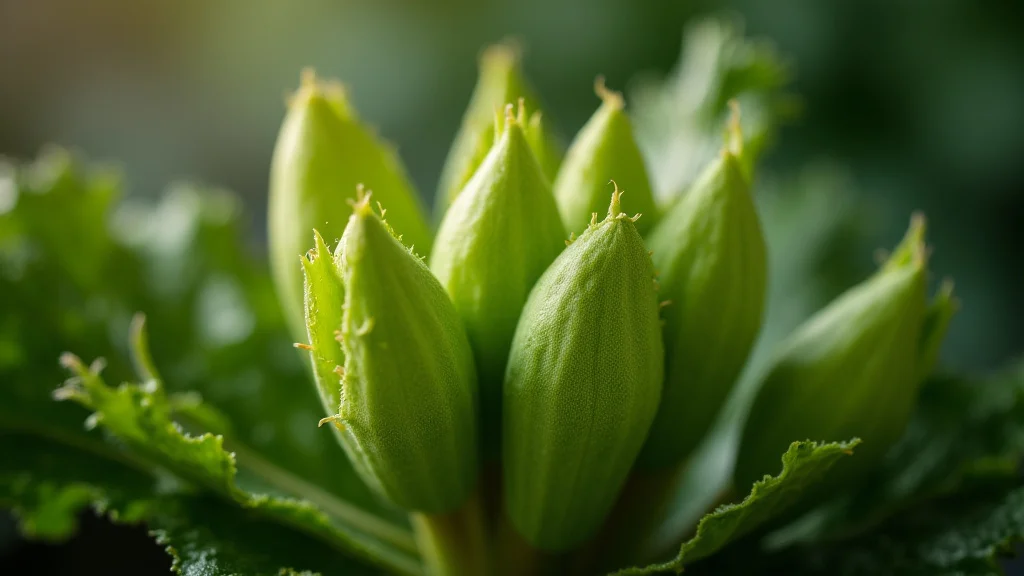
Remember that time you tried to grow a tomato plant, only for it to wither and die? Gardening can seem tricky at first, but it doesn’t have to be! Many people shy away from starting a garden because they think it’s too difficult or time-consuming. However, with the right knowledge, you can quickly learn the basics and enjoy the satisfaction of growing your own food and flowers. This guide focuses on 7 gardening tips for beginners, designed to help you succeed. You’ll learn essential steps to get you started on your gardening adventure. By the end, you’ll know exactly what you need to begin your gardening hobby and discover the joy of nurturing plants.
Key Takeaways
- Learn essential steps to help you start your first garden.
- Understand how to choose the right plants and where to plant them.
- Discover how to care for your plants by providing them with water, light, and nutrients.
- Explore the importance of soil preparation for healthy plant growth.
- Understand how to deal with pests and diseases in your garden.
Getting Started with Your Garden
Starting a garden can be an immensely rewarding experience. The process, from planting a tiny seed to harvesting your own vegetables or admiring vibrant flowers, offers a unique connection to nature. However, for a beginner, the idea of gardening can seem a bit overwhelming. There is a lot to consider: What plants should you choose? Where should you plant them? What are the key elements to help them grow? This section aims to make your initial steps easier and guide you on your gardening adventure. It will cover essential steps such as choosing a spot, getting the right tools, and planning your planting layout.
Choosing the Right Location
The success of your garden greatly depends on choosing the correct location. Most plants need sunlight to thrive, so selecting a spot that receives at least six hours of direct sunlight daily is important. Observe your yard throughout the day to find areas that get the most sunlight. Besides sunlight, consider the soil conditions. Is the soil well-drained? Does water pool in the area after it rains? Poor drainage can lead to root rot, which is a common plant killer. The ease of access to water is another important factor; you will need to water your plants regularly. You’ll also want to consider whether you want a vegetable garden, flower garden, or a combination of both. Think about the space you have available and how much you’re ready to care for.
- Sunlight Requirements: The amount of sunlight the garden receives directly affects which plants will flourish. Full sun plants (tomatoes, peppers) need 6+ hours of sunlight. Partial sun plants (lettuce, spinach) need 3-6 hours. This careful evaluation is key.
- Soil Drainage: The soil must allow water to drain efficiently. To check, dig a hole and fill it with water; if the water drains within a few hours, the drainage is good. Poor drainage promotes root rot.
- Water Access: A convenient water source (hose or faucet) makes watering much easier. This helps keep plants hydrated, ensuring healthy growth and vibrant blooms.
- Space Considerations: Consider the size of your space and the growth habits of the plants you choose. Make sure your plants have enough space to grow and develop fully.
Gathering Essential Gardening Tools
Having the right tools can make all the difference in the success of your gardening experience. You don’t need to buy everything at once; start with the basics. A good trowel, a hand fork, a pair of gardening gloves, and a watering can are essential for most gardening tasks. As you become more experienced, you might add tools like a garden hoe, a shovel, or a garden fork. Investing in quality tools will help them last longer and perform better, making your gardening work easier and more enjoyable. These tools will enable you to effectively prepare the soil, plant your seeds or seedlings, and provide ongoing care to your plants.
- Trowel: Perfect for digging small holes for planting seedlings and transplanting small plants. A quality trowel is a key tool in your arsenal.
- Hand Fork: Useful for loosening soil and removing weeds in small areas. It’s especially useful for working around the base of plants without damaging them.
- Gardening Gloves: Protect your hands from dirt, thorns, and blisters. They allow you to work comfortably and maintain cleanliness.
- Watering Can/Hose: Essential for providing water to your plants. Choose one with a gentle shower head to avoid damaging delicate plants and seedlings.
Planning Your Garden Layout
Before you begin planting, plan your garden layout. This includes considering the size and shape of your garden, the type of plants you want to grow, and how much space each plant needs. Knowing your space and plant requirements helps ensure plants have adequate room to grow. Good planning involves thinking about the plant’s light and water requirements. Create a sketch or plan, marking the locations of each plant. This step ensures an organized and visually appealing garden. Remember to take into consideration the mature size of your plants. This is an important step that will keep your garden from becoming overcrowded.
- Sunlight Map: Observe your garden and create a map that marks where the sunlight falls throughout the day. This helps you position plants correctly.
- Plant Spacing: Read the plant labels or seed packets to determine the recommended spacing between plants. This prevents overcrowding.
- Plant Height: Consider the height of your plants to avoid shading smaller plants. Place taller plants toward the back of the garden.
- Companion Planting: Research companion planting to discover which plants benefit each other when grown together. This practice can improve growth and deter pests.
Understanding the Importance of Soil
The soil is the foundation of any thriving garden. It provides plants with nutrients, water, and support. A good soil structure allows roots to grow deep and absorb the resources they need. Healthy soil is filled with organic matter, which holds water, provides nutrients, and supports beneficial organisms. Before planting, taking time to prepare your soil is very important. This section will guide you through the process of soil preparation. The importance of understanding soil pH and how to amend your soil will be explored. This foundation of soil health is very important to achieving a successful gardening outcome.
Soil Testing and Improvement
Testing your soil is a smart way to determine its existing conditions and its needs. Soil test kits are available at garden centers and provide information about your soil’s pH level and nutrient content. The pH level is a measure of how acidic or alkaline the soil is; most plants grow best in slightly acidic soil (between 6.0 and 7.0). Based on the results of your soil test, you can make adjustments. To improve soil conditions, you can add organic matter like compost, well-rotted manure, or peat moss. These additions improve drainage, increase water retention, and provide essential nutrients to your plants.
- Soil Testing: Use a soil test kit to determine the pH level and nutrient content of your soil. This will give you important information about its condition.
- Compost: Compost enriches the soil by adding organic matter and nutrients. It improves soil structure and helps retain moisture.
- Well-Rotted Manure: This is an excellent soil amendment that provides nutrients and improves soil structure. Make sure the manure is well-rotted.
- Peat Moss: Peat moss can help improve water retention and soil drainage. It also adds acidity, which some plants prefer.
Composting: Nature’s Recycling System
Composting is a useful practice that creates nutrient-rich soil from kitchen scraps, yard waste, and other organic materials. It’s an environmentally friendly way to reduce waste and enrich your garden. Start a compost pile in a shady spot, layering “greens” (kitchen scraps, grass clippings) and “browns” (leaves, shredded paper). Keep the pile moist and turn it regularly to speed up decomposition. The finished compost is a valuable soil amendment, adding nutrients and improving soil structure. Incorporating compost into your garden soil creates a healthy environment for plants to thrive. Composting is an easy, cost-effective way to get great soil. Composting adds beneficial nutrients and helps your plants thrive.
- Compost Materials: Use a mix of “greens” (food scraps, grass clippings) and “browns” (leaves, shredded paper) in your compost pile. This provides balance.
- Turning the Pile: Turning the compost pile regularly helps aerate it, which speeds up the decomposition process.
- Moisture: Keep the compost pile moist like a wrung-out sponge, which is critical to the decomposition. This helps the composting process.
- Finished Compost: The finished compost should have a dark, crumbly texture and a pleasant, earthy smell. Use it as a soil amendment.
Understanding Soil pH
Soil pH measures how acidic or alkaline your soil is. The pH scale ranges from 0 to 14, with 7 being neutral. Most plants do best in a slightly acidic soil, typically between 6.0 and 7.0. Knowing your soil’s pH is very important because it affects nutrient availability. When the soil pH is too high or too low, plants may not be able to absorb the nutrients they need, even if those nutrients are present. For example, in alkaline soil (high pH), some essential nutrients like iron can become unavailable to plants. You can adjust the soil pH by adding amendments like lime to raise the pH (making it less acidic) or sulfur to lower the pH (making it more acidic). Regularly testing your soil’s pH level ensures your plants can access the essential nutrients needed for healthy growth.
- Testing Soil pH: Soil test kits are available at garden centers. Follow the instructions to get an accurate reading.
- Adjusting pH: Add lime to raise the pH or sulfur to lower the pH. Adjusting the pH helps maintain the correct balance.
- Plant Preferences: Some plants prefer more acidic soil (like blueberries and azaleas), while others prefer a more neutral or slightly alkaline soil. Be sure to consider your plant’s needs.
- Nutrient Availability: Soil pH affects nutrient availability. An incorrect pH can prevent plants from absorbing the nutrients they need.
Watering and Sunlight Essentials
Providing the right amount of water and sunlight is key to helping your plants grow and thrive. Water is essential for photosynthesis, the process by which plants convert sunlight into energy. Sunlight fuels plant growth, so it is necessary for plants to reach their full potential. This section will give you specific tips on how to water your plants effectively. It will provide details about the appropriate watering times and techniques. You’ll learn how to position your plants to take advantage of the sunlight to reach their full potential. These practices will contribute to the health of your garden.
Watering Techniques
Correct watering is important for healthy plants. Overwatering and underwatering can harm plants. The best time to water is in the morning, which allows the leaves to dry before nightfall. This reduces the risk of fungal diseases. Water deeply and less frequently to encourage deep root growth. Avoid watering the leaves directly, as this can encourage disease. Use a watering can, a hose with a gentle spray nozzle, or a drip irrigation system to deliver water directly to the soil. Using these practices will promote healthy plant growth and make your garden thrive. Consistent watering will enhance the beauty and vitality of your plants.
- Morning Watering: Water in the morning, which allows leaves to dry before night, reducing the risk of fungal diseases. It also allows plants to absorb water before the heat of the day.
- Deep Watering: Water deeply but less frequently to encourage deep root growth, making plants more drought-resistant. Water deeply so the water reaches the root base.
- Avoid Overhead Watering: Avoid watering the leaves, as it can encourage fungal diseases. Focus on watering the soil at the base of the plants.
- Watering Tools: Use a watering can, a hose with a gentle spray nozzle, or a drip irrigation system. These tools make watering easier and more efficient.
Sunlight Requirements and Plant Placement
Most plants need sunlight to photosynthesize and create energy for growth. Understanding your plant’s sunlight requirements is very important for proper placement. Some plants need six or more hours of direct sunlight, while others require partial shade. When planning your garden, think about where the sun falls during the day. Observe your yard to identify sunny and shady areas. Place sun-loving plants in areas that get full sun, and shade-loving plants in areas that get partial sun. Consider the season, as the sun’s angle changes. Paying attention to sunlight ensures your plants get the right amount of light to thrive. Proper plant placement supports healthy growth.
- Full Sun: Plants that need six or more hours of direct sunlight per day, such as tomatoes and peppers, need full sun. These plants will thrive with this amount of light.
- Partial Shade: Plants needing three to six hours of sunlight per day, such as lettuce and spinach, thrive in partial shade. Consider these plants if you do not have full sunlight.
- Plant Labels: Refer to the plant labels or seed packets to determine the sunlight requirements of each plant. Labels have valuable information.
- Sun Tracking: Observe your garden’s sunlight throughout the day to identify sunny and shady spots. Tracking the sun helps when planning your garden.
Mulching for Moisture Retention
Mulching is a great practice that involves covering the soil around your plants with a layer of organic material like wood chips, straw, or shredded leaves. Mulch helps retain soil moisture by reducing evaporation, which means you won’t need to water as often. Mulch also suppresses weeds by blocking sunlight. This helps reduce competition for nutrients and water. Adding mulch to your garden helps moderate soil temperature, which provides stable conditions. Organic mulches, as they break down, add nutrients to the soil. These advantages make mulching a very valuable gardening practice. Mulching gives your plants a healthy and attractive environment to thrive.
- Moisture Retention: Mulch helps retain soil moisture by reducing evaporation, so you need less frequent watering. Save time, water, and money by using mulch.
- Weed Suppression: Mulch blocks sunlight, which helps prevent weeds from growing. Mulch allows plants to thrive.
- Temperature Regulation: Mulch helps moderate soil temperature, keeping the soil cool in summer and warm in winter. Temperature regulation helps plants grow well.
- Nutrient Enrichment: As organic mulches decompose, they add nutrients to the soil. Add nutrients for healthier plants.
Choosing the Right Plants
Choosing the right plants for your garden is one of the most important decisions you will make. It’s important to consider your local climate, the amount of sunlight your garden receives, and the type of soil you have. Selecting plants that are well-suited to your conditions will increase the chance of success and reduce the need for constant maintenance. This section will guide you through the process of selecting plants that are easy to grow. It will also help you understand the advantages of starting with seedlings versus seeds. You will be on your way to a successful garden.
Selecting Easy-to-Grow Plants
When you are starting your garden, selecting plants known for being easy to grow is the best approach. Some plants are more forgiving, more resistant to pests and diseases, and require less attention. Consider planting vegetables like lettuce, spinach, radishes, and beans. These plants typically germinate quickly and have a short harvest time. For flowers, consider growing marigolds, zinnias, and sunflowers, which are known for being resilient and attractive. By choosing easy-to-grow plants, you will enjoy a higher success rate. This experience will boost your confidence and enjoyment of gardening.
- Vegetables: Consider lettuce, spinach, radishes, and beans. These plants are very easy to cultivate and produce quick results.
- Herbs: Herbs like basil, mint, and chives are known for being easy to grow and can be used in your cooking. Herbs are very rewarding.
- Flowers: Marigolds, zinnias, and sunflowers are easy to grow and add color and beauty to your garden. Flowers add joy and beauty.
- Plant Labels: Always check the plant labels or seed packets to see the plant’s requirements for sunlight, water, and soil type. The label is a valuable source.
Starting with Seeds Versus Seedlings
When starting a garden, you need to decide whether to start your plants from seeds or seedlings. Seeds are generally less expensive, and they give you a wider selection of plant varieties. Planting seeds gives you the opportunity to watch the entire growing process. However, seeds require more time, care, and the right conditions to germinate and grow. Seedlings, which are young plants that have already started growing, are a quicker option. Seedlings require less initial care and can be planted directly into the garden. They are great if you want to get a head start or have a shorter growing season. For beginners, seedlings may be the easiest way to start. Seedlings are great for the first-time gardener.
- Seeds: Seeds are cost-effective and allow you to choose from a wider variety of plants. Seeds are a great place to start your garden.
- Seedlings: Seedlings offer a quicker start to your garden, allowing you to bypass the germination stage. Seedlings are convenient.
- Time and Effort: Seeds require more time and effort to nurture. Seedlings require less initial care.
- Growing Season: Seedlings are a better choice for shorter growing seasons. Seedlings may be a better option.
Understanding Plant Hardiness Zones
Plant hardiness zones are a guide to which plants are most likely to thrive in a specific geographic area. The USDA Plant Hardiness Zone Map divides North America into zones based on average minimum winter temperatures. Each zone is represented by a range of temperatures. Knowing your plant hardiness zone is key for selecting plants that will survive in your local climate. Planting a plant that is not suited to your hardiness zone can result in plant failure. By selecting plants that are suited for your hardiness zone, you increase the chances of success. Using plant hardiness zones helps you make smart choices. They will help you find the right plants for your area.
According to the USDA, the plant hardiness zone map is based on the average annual minimum winter temperature, divided into 10-degree Fahrenheit zones. The map is a key resource for gardeners and growers.
- USDA Zone Map: The USDA Plant Hardiness Zone Map is a key tool. It divides North America into zones based on average minimum winter temperatures.
- Zone Selection: Identify your plant hardiness zone using the map. Use the map to check plant labels.
- Plant Labels: Plant labels will indicate which hardiness zones a plant can grow. Always check the labels when selecting plants.
- Climate Matching: Planting plants that are not suited to your hardiness zone can lead to failure. Hardiness zones are important.
Dealing with Pests and Diseases
Even with good care, your garden plants can face pests and diseases. Knowing how to identify and manage these problems is key for a healthy and thriving garden. This section will guide you to identify the common pests that affect gardens and will offer you ways to keep them away. You will also learn about diseases that can affect plants and explore ways to prevent and treat them. By being prepared, you can protect your garden and ensure your plants stay healthy. Dealing with pests and diseases takes some work, but it will keep your plants growing and thriving.
Identifying Common Garden Pests
Being able to identify garden pests is the first step in protecting your plants. Common pests include aphids, slugs, snails, caterpillars, and Japanese beetles. Each pest can cause different kinds of damage, such as chewing leaves, sucking sap, or spreading diseases. Inspect your plants regularly for signs of pests, such as holes in the leaves, sticky residue, or visible insects. The best way to deal with pests is to identify them early. Different pests require different control methods. Early detection can reduce the damage the pests cause to your plants. This attention to detail is essential for a beautiful garden.
- Aphids: Small, soft-bodied insects that suck sap from plants. They can be green, black, or other colors. Look closely.
- Slugs and Snails: These mollusks eat leaves and stems, leaving behind slimy trails. They can cause a lot of damage.
- Caterpillars: The larvae of butterflies and moths, which chew on leaves and flowers. Caterpillars come in different colors and sizes.
- Japanese Beetles: Metallic green beetles that feed on leaves and flowers, leaving a skeletonized appearance. They can be very destructive.
Preventing and Treating Plant Diseases
Preventing plant diseases involves providing good growing conditions, such as proper watering, sunlight, and air circulation. Avoiding overcrowding will help reduce the spread of diseases. When you see a disease, it is necessary to identify it promptly. Common diseases include fungal infections like powdery mildew, black spot, and rust. Inspect your plants regularly. You can use fungicides, which are designed to combat fungal diseases. Removing and disposing of infected plant parts can also help prevent the spread of diseases. Preventing and treating plant diseases protects your garden’s health. Taking steps early on can keep disease away.
- Good Air Circulation: Space plants properly to allow air to circulate. This helps prevent fungal diseases.
- Watering Practices: Water plants at the base, not the leaves, to reduce moisture. Moisture promotes diseases.
- Fungicides: Use fungicides to treat fungal diseases. Fungicides will kill the disease.
- Remove Infected Parts: Remove and dispose of infected plant parts to prevent the spread of diseases. Dispose of diseased leaves.
Organic Pest Control Methods
There are several organic pest control methods that you can use to protect your garden without resorting to harsh chemicals. One popular method is to handpick pests like caterpillars and Japanese beetles. Introduce beneficial insects like ladybugs, which eat aphids. Use insecticidal soap or neem oil to control a wide range of pests. These natural solutions are safer for the environment and for you. Organic methods keep your garden healthy. Employing these methods can keep your plants safe.
- Handpicking: Pick off pests like caterpillars and Japanese beetles by hand. This can be effective for smaller infestations.
- Beneficial Insects: Introduce ladybugs to eat aphids and other pests. Ladybugs will keep your plants safe.
- Insecticidal Soap: Spray insecticidal soap to control soft-bodied insects like aphids and whiteflies. Soap can control pests.
- Neem Oil: Use neem oil to control a wide range of pests. It is a natural pesticide.
Common Myths Debunked
Myth 1: Gardening Is Too Time-Consuming
Many people believe that gardening takes a lot of time. The truth is that gardening can be adapted to your schedule. You can start small, with a few easy-to-grow plants, and gradually expand as you become more comfortable. Setting aside even a few minutes each day for watering, weeding, and observation will help your garden thrive. Modern gardening techniques and tools, such as raised beds and drip irrigation, can further reduce the time commitment. With planning, gardening can fit any lifestyle.
Myth 2: You Need a Green Thumb to Succeed
The idea of a “green thumb” often leads people to think that gardening is a natural talent. Gardening is something anyone can learn. Success comes from learning the basics, such as choosing the right plants for your area, understanding soil, and providing proper water and sunlight. There are many resources and online tutorials available. Through experience and practice, you will learn to care for your plants. Each season is an opportunity to learn and grow as a gardener.
Myth 3: You Need a Big Yard for a Garden
A large yard is not a requirement for gardening. You can start a garden in a small space, such as a balcony, patio, or even a sunny windowsill. Container gardening is a great option for those with limited space. You can grow herbs, vegetables, and flowers in pots, planters, or raised beds. The key is to choose the right plants for the space available. You can have a thriving garden, no matter the size of your space. Gardening can be flexible and fun, no matter your space.
Myth 4: Gardening Requires Expensive Tools and Supplies
You don’t need a lot of expensive equipment to get started. Basic gardening tools, such as a trowel, hand fork, and watering can, are affordable and available at most garden centers. You can also recycle materials to save money. For example, use containers for seedlings or create your compost pile. There are many cost-effective ways to garden. The most important ingredients are effort and a desire to learn. You can garden without spending a lot of money.
Myth 5: Gardening Is Only for Experienced People
Gardening is an enjoyable activity for all ages and skill levels. Many resources are designed for beginners. The best way to learn is by doing. Start small, read plant labels, and observe your plants. You can always ask for help. Many gardening clubs and online forums are filled with experienced gardeners who are eager to share their knowledge. With patience and a willingness to learn, anyone can enjoy the rewards of gardening. It’s an activity that is accessible to everyone.
Frequently Asked Questions
Question: What’s the best time of year to start a garden?
Answer: The best time to start depends on your location and the plants you want to grow. In many areas, spring is ideal because the soil warms up and the risk of frost is low. However, some plants, like cool-season vegetables, can be planted in the fall.
Question: How often should I water my plants?
Answer: Watering frequency depends on the plant, soil type, and weather conditions. Water deeply when the top inch of soil is dry. Check the soil regularly and adjust your watering schedule accordingly.
Question: How can I improve my soil?
Answer: Improve your soil by adding organic matter such as compost, well-rotted manure, or peat moss. This increases drainage, water retention, and provides nutrients. Regular soil testing can help you know what your soil needs.
Question: What are companion plants, and why are they helpful?
Answer: Companion plants are plants that benefit each other when grown together. They can attract beneficial insects, repel pests, or improve the soil. Some examples include planting basil with tomatoes or marigolds with vegetables.
Question: How do I deal with pests in my garden?
Answer: You can use a mix of organic pest control methods. Handpick pests, introduce beneficial insects, use insecticidal soap, or apply neem oil. Prevention, such as crop rotation and healthy plants, can reduce pest problems.
Final Thoughts
Taking the first steps into the world of gardening can be a very rewarding experience. From selecting the perfect spot to getting your hands dirty with soil, preparing the ground, and choosing the right plants are all very important things to learn. You’ve gained knowledge about the significance of soil preparation, the essential roles of water and sunlight, and methods for addressing pests and diseases. Now you know key strategies for success. Whether you want to grow a small herb garden or a larger vegetable patch, the journey starts with these basics. Explore the joys of cultivating your own food and flowers, and don’t be afraid to experiment. With patience, a bit of effort, and these 7 gardening tips for beginners, you’re well on your way to enjoying the satisfaction of a thriving garden. Start today, and experience the happiness of watching something grow from seed!