Gardening Tool 9 Tips to Help You Grow a Thriving Garden
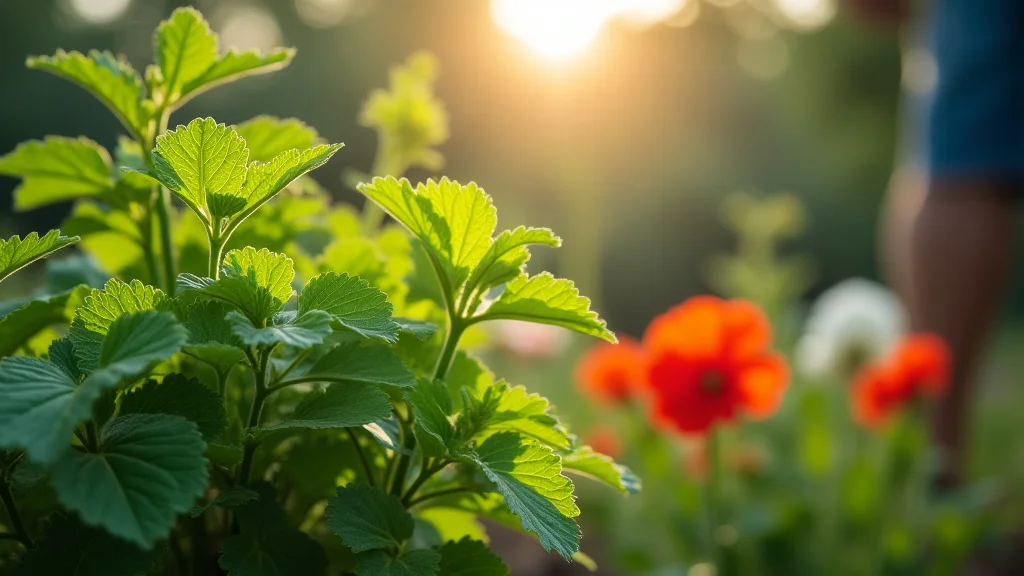
Remember that time you tried to plant a rose bush, and the trowel you were using just bent in half? Or when you spent hours weeding, only to realize your hand rake was completely ineffective? We’ve all been there! Choosing the right gardening tool can make the difference between a frustrating afternoon and a truly rewarding gardening experience. This post is all about equipping you with the knowledge to make smart decisions about your gardening tool collection. You’ll learn the essential tools, how to use them, and how to maintain them, which means you’ll spend less time struggling and more time enjoying your beautiful garden.
Key Takeaways
- You will discover the nine must-have gardening tools for any gardener.
- You will learn how to choose the right tools for your specific needs and garden size.
- You will get tips on how to use each tool safely and effectively.
- You will learn how to maintain your tools to extend their lifespan.
- You will discover how to store your gardening tools properly.
- You will know the best way to clean your tools to avoid spreading disease.
Essential Gardening Tool: The Hand Trowel
The hand trowel is one of the most fundamental tools for any gardener. Its small size and pointed scoop make it perfect for a variety of tasks, from planting small seedlings to digging up weeds. While a hand trowel might seem simple, choosing the right one and knowing how to use it properly can make a big difference in the ease and efficiency of your gardening.
Selecting the Right Trowel
Choosing the correct trowel depends on your gardening needs and preferences. Look for a trowel made of durable materials like stainless steel or forged carbon steel. These materials resist rust and are strong enough to handle tough soil. The handle should be comfortable to grip and provide good control. Consider the handle material, as wood, plastic, and rubberized grips each offer different levels of comfort and grip.
- Material Matters: Stainless steel trowels are rust-resistant and ideal for wet conditions, while carbon steel trowels are very durable but need care to prevent rust.
- Handle Considerations: Choose a handle that fits comfortably in your hand. Wooden handles offer a classic feel, while plastic or rubber grips may provide better comfort and reduce hand fatigue.
- Blade Shape: Trowels come in various blade shapes. A narrow blade is better for tight spaces, while a wider blade is better for moving larger amounts of soil.
- Size and Weight: A trowel that is too heavy will be difficult to handle, and one that is too small won’t move much soil. Balance is key.
An example of a good selection is using a narrow blade for working around small plants and a wide-bladed trowel for digging holes to plant vegetables, like tomatoes or peppers.
Proper Trowel Usage
Using your trowel properly protects the tool and helps you garden more effectively. Whether planting a delicate flower or removing a stubborn weed, the method is important.
- Digging: Hold the trowel firmly and dig straight down. Use the trowel to scoop out the soil, creating a hole that is large enough to accommodate the roots of your plant.
- Planting: When planting, place the plant into the hole and gently backfill the soil around the roots using the trowel. Pat the soil lightly to firm it up.
- Weeding: Angle the trowel slightly under the weed and gently pry it up, ensuring you remove the entire root system.
- Soil Amendment: Use your trowel to mix in compost or other soil amendments.
An expert gardener might use a trowel to dig a narrow trench and lay a drip irrigation line.
Trowel Maintenance
Caring for your trowel extends its life and ensures it performs well for years. Regular cleaning and storage can prevent rust and keep it in good condition.
- Cleaning: After each use, wipe the trowel clean with a damp cloth to remove any soil and debris.
- Rust Prevention: If your trowel is made of carbon steel, dry it thoroughly after cleaning. Consider applying a light coat of oil to prevent rust.
- Sharpening: If the edge of the trowel becomes dull, you can sharpen it with a file or whetstone.
- Storage: Store your trowel in a dry place.
The cost of a new trowel is generally low and can be from $5-$20, depending on the quality of the tool, material, and brand.
Essential Gardening Tool: Hand Rake
A hand rake is a versatile tool perfect for a variety of tasks, from leveling soil to removing debris. A hand rake can be useful in preparing seedbeds and keeping garden beds tidy. Understanding how to choose and use a hand rake can make your gardening tasks easier and more efficient.
Rake Selection: Choose The Right One
The variety of hand rakes available can seem overwhelming. Each is designed for specific tasks and soil conditions. Choosing the right rake will make your gardening chores easier.
- Material of Tines: Rakes with metal tines are more durable and suited for tougher tasks, while plastic tines are lighter and better for delicate tasks.
- Head Width: Wider rakes cover more ground but are heavier and harder to maneuver in tight spaces. Narrow rakes are easier to control but take more passes.
- Handle Length: Consider the handle length. A shorter handle is good for working in raised beds, while a longer handle is needed for larger areas.
- Ergonomics: Look for a rake with a comfortable grip to reduce strain.
For example, a gardener with a large lawn might choose a wide-head metal rake for leaf removal, while a small-space gardener might opt for a narrow, plastic-tined rake for working in flower beds.
Usage of a Hand Rake
The correct use of a hand rake makes it a safe and effective tool. Whether preparing a seedbed or removing unwanted leaves, using the proper technique is key.
- Leveling Soil: Use the rake to even out the soil surface, breaking up clumps and creating a smooth planting area.
- Debris Removal: Rake up leaves, twigs, and other garden debris, keeping your garden tidy and preventing pests.
- Seedbed Preparation: After tilling or loosening the soil, use the rake to remove stones and create a fine seedbed.
- Mulch Application: Spread mulch evenly over your garden beds using the rake, preventing weeds and preserving moisture.
A sample scenario includes using a rake to smooth out soil for planting grass seed after aerating and fertilizing the lawn.
Hand Rake: Cleaning and Storage
Proper care of a hand rake will extend its useful life and maintain its effectiveness. Routine cleaning and appropriate storage practices are essential.
- Cleaning: After each use, remove any soil and debris stuck to the tines and handle.
- Storage: Store the rake in a dry place. You can hang it up or lean it against a wall.
- Maintenance: If the tines get bent, you can often bend them back into shape.
- Handle Care: If the handle is wooden, protect it by applying a coat of linseed oil or a similar sealant periodically.
The typical cost for a hand rake is from $10-$40, depending on the material, size, and brand.
Essential Gardening Tool: Gardening Gloves
Gardening gloves are one of the most important tools for any gardener. They protect your hands from cuts, scrapes, blisters, and dirt, allowing you to enjoy your gardening activities more comfortably. With the correct gloves, you can extend your gardening time and focus on what you love.
Selecting Gardening Gloves
Selecting the right gloves depends on the activities you’ll be doing. From light weeding to heavy digging, knowing the right glove for the job makes gardening safer and more fun.
- Material: Leather gloves offer great protection and durability. Fabric gloves are breathable and good for lighter tasks. Latex or nitrile gloves are ideal for tasks where you need a close fit.
- Fit: Gloves should fit snugly but allow for good finger movement. Test out a pair.
- Durability: If you are planning on heavy-duty activities like digging, look for gloves with reinforced palms and fingers.
- Wrist Protection: Longer cuffs offer additional protection, shielding your wrists from scratches and thorns.
An example of choosing gloves involves using leather gloves for pruning thorny rose bushes and breathable fabric gloves for weeding and planting seedlings.
Using Your Gardening Gloves
Gloves protect your hands, but they also enhance your gardening experience. Using them properly ensures your hands remain comfortable and safe.
- Wear for Protection: Always wear gloves when handling plants, soil, tools, or chemicals.
- Choose the Right Glove for the Task: Select gloves that best suit the task.
- Inspect Your Gloves: Before each use, inspect your gloves for tears or damage.
- Proper Fit: Ensure that your gloves fit correctly to allow the ease of movement needed for gardening tasks.
A case study includes a gardener who was able to prevent several cuts and scrapes on their hands from thorns by wearing leather gloves.
Gardening Glove Care
Taking care of your gardening gloves helps to extend their life and ensures your hands are protected. Routine cleaning and storage are vital.
- Cleaning: Wash fabric gloves with mild soap and water. Leather gloves may need special care.
- Drying: Air dry your gloves away from direct sunlight.
- Storage: Store your gloves in a dry, clean place.
- Repairing Gloves: Repair small tears or holes promptly to prevent further damage.
The cost of good gloves is approximately $5-$30 a pair, depending on the material, construction, and brand.
Essential Gardening Tool: Pruning Shears
Pruning shears, also known as hand pruners or secateurs, are a critical tool for any gardener who wants to keep plants healthy and encourage growth. They’re designed to make clean cuts on stems and branches, which helps plants to heal and prevents disease.
Selecting the Right Pruners
Choosing the right pruning shears depends on the type of plants you are working with and the size of the branches you need to cut. A good pair of pruners can make a great difference in how easily and cleanly you can maintain your plants.
- Bypass vs. Anvil Pruners: Bypass pruners make clean cuts ideal for live, green wood. Anvil pruners are better for dead wood.
- Size and Grip: Choose pruners that fit your hand comfortably.
- Blade Material: High-carbon steel blades hold a sharp edge longer and cut better.
- Cutting Capacity: Consider the maximum diameter of branches the pruners can cut.
For example, you might choose bypass pruners to shape your roses and anvil pruners to remove dead branches from a fruit tree.
Pruner Usage
Proper use of pruning shears keeps your plants healthy and promotes strong growth. Knowing the correct cutting techniques prevents damage and encourages proper healing.
- Clean Cuts: Make clean, angled cuts just above a bud or branch collar.
- Angle of Cut: Cut at an angle to allow water to run off, preventing rot.
- Proper Technique: Place the cutting blade against the branch and cut towards the handle.
- Avoid Damaging the Plant: Never leave stubs when pruning.
An example is pruning a rose bush by cutting just above an outward-facing bud to encourage new growth in the desired direction.
Pruner Care
Maintaining your pruning shears extends their life and ensures they perform well. Regular cleaning, sharpening, and oiling are important.
- Cleaning: After each use, wipe the blades clean with a cloth to remove sap and debris.
- Sharpening: Keep the blades sharp using a file or sharpening tool.
- Oiling: Apply a light coat of oil to the blades and pivot point to prevent rust.
- Storage: Store the pruners in a dry place.
The cost of pruning shears can be from $15-$50.
Essential Gardening Tool: Garden Hoe
The garden hoe is a fundamental tool for weed removal, soil preparation, and general garden maintenance. The right hoe can make tasks easier and more efficient, reducing strain on your back and improving your garden’s overall health.
Hoe Selection: The Right Fit
There are many types of hoes available, each designed for a specific purpose. Choosing the right hoe for your gardening style and needs ensures that you can take care of your garden efficiently.
- Draw Hoes: Perfect for chopping weeds and working the soil surface.
- Scuffle Hoes: These are ideal for weeding and are designed to cut weeds just below the soil surface.
- Warren Hoes: Used for creating furrows for planting seeds or hilling plants.
- Handle Length: Choose a handle length that allows you to stand upright while working.
For instance, a gardener might use a scuffle hoe to remove weeds from a vegetable garden and a warren hoe to create rows for planting corn.
Using a Garden Hoe
The correct use of a garden hoe makes it a safe and effective tool. Mastering the proper techniques enhances gardening efficiency and reduces back strain.
- Weeding: Use a draw or scuffle hoe to remove weeds by slicing them off at the soil surface.
- Soil Preparation: Use the hoe to break up clumps and level the soil surface.
- Hilling: Use a Warren hoe to build up soil around the base of plants.
- Hoeing Technique: Work in a smooth, rhythmic motion to avoid straining your back.
A case study could be using a scuffle hoe on a sunny day to remove newly sprouted weeds in the rows between the plants to prevent weed from competing with the crop.
Garden Hoe Care
Taking care of your garden hoe extends its life and ensures it is always ready for use. Regular maintenance keeps it effective and safe.
- Cleaning: After each use, remove soil and debris.
- Sharpening: Keep the blade sharp with a file.
- Handle Care: Check the handle for splinters.
- Storage: Store the hoe in a dry place.
The average price of a good garden hoe can range from $20-$50.
Essential Gardening Tool: Garden Fork
The garden fork is a versatile tool used for turning soil, breaking up clumps, and preparing the garden for planting. It’s a critical tool for working the soil. Learning how to select and use a garden fork properly can greatly improve soil quality and reduce the effort required for your gardening chores.
Garden Fork Selection
Garden forks come in various types, each suited for particular tasks and soil conditions. Choosing the right fork is important to the efficiency of your gardening and to your physical comfort.
- Solid vs. Hollow Tines: Solid tines are more durable and good for heavy-duty work.
- Tine Shape: Square tines are good for turning soil.
- Handle Material: Choose a handle that is comfortable and durable.
- Handle Length: Select a handle length that suits your height.
For example, a gardener with compacted clay soil might choose a fork with solid tines to easily break up the soil.
Fork Usage
Correct usage of a garden fork increases the effectiveness of your work and reduces the risk of injury. Knowing the correct techniques ensures that you get the most from your fork.
- Turning Soil: Use the fork to lift and turn over the soil, mixing in compost or other amendments.
- Breaking Up Clumps: Use the fork to break up large clumps of soil, creating a better texture for planting.
- Aerating Soil: Insert the fork into the soil and gently move it back and forth to improve aeration.
- Digging: The garden fork is used for digging, especially in areas with roots.
A case study involves a gardener using a garden fork to dig and aerate the soil in a new garden bed, improving drainage and soil quality.
Fork Care
Taking care of your garden fork extends its life and keeps it working well for years. Routine maintenance is key to keeping the tool in good condition.
- Cleaning: Remove soil and debris after each use.
- Rust Prevention: Keep the fork dry to prevent rust.
- Handle Maintenance: Check the handle and repair any damage.
- Storage: Store the fork in a dry place.
The cost of a garden fork ranges from $30-$80.
Essential Gardening Tool: Watering Can
The watering can is an important gardening tool that ensures plants get the water they need. Using the watering can correctly helps you water plants efficiently and conserve water. Understanding how to select and use a watering can makes your gardening easier.
Choosing a Watering Can
Selecting the right watering can depends on the size of your garden and the plants you are growing. Choose the right can, and watering becomes an easier job.
- Size: Choose a size appropriate for your needs.
- Material: Plastic cans are lightweight. Metal cans are more durable.
- Rose Head: A rose head on the spout is good for gentle watering.
- Balance: Choose a can that is easy to carry and balance when full.
For instance, if you have many potted plants, you might select a small, lightweight can for easy maneuvering.
Proper Usage of a Watering Can
The proper use of a watering can ensures plants get the right amount of water. Learning the proper techniques helps you avoid under- or overwatering your plants.
- Water at the Base: Direct the water at the base of the plant.
- Even Distribution: Water evenly over the soil surface.
- Avoid Overwatering: Do not water excessively.
- Watering Time: Water in the morning or evening.
An example of efficient watering is to water your plants slowly and evenly until water starts to drain from the bottom of the pot.
Watering Can Care
Taking care of your watering can extends its life and maintains its usefulness. Routine cleaning and storage practices are essential.
- Cleaning: Empty the can after each use.
- Rinse: Rinse the can to remove mineral deposits.
- Storage: Store the can in a dry place.
- Maintenance: Check for leaks and repair as needed.
The cost of a watering can can vary widely, from $10 to $50, depending on the material, size, and brand.
Essential Gardening Tool: Garden Hose
A garden hose is an essential tool for watering plants and keeping your garden looking its best. Knowing how to select and use a hose properly saves time, water, and effort. Selecting a good hose and learning how to use it right simplifies the job.
Choosing a Garden Hose
Several types of garden hoses are available, each with its own benefits and drawbacks. Choosing the right hose helps you to take care of your garden effectively.
- Length: Choose a hose long enough to reach all areas of your garden.
- Diameter: A larger diameter provides higher water flow.
- Material: Vinyl hoses are lightweight and less expensive. Rubber hoses are more durable.
- Features: Consider hoses with features like a kink-resistant design.
For instance, if you have a large garden, you might choose a long, heavy-duty hose.
Using a Garden Hose
Proper usage of a garden hose helps you to water plants efficiently and conserve water. Learning the correct techniques helps you get the most out of your hose.
- Watering Technique: Direct the water stream to the base of the plants.
- Water Pressure: Avoid high water pressure to prevent soil erosion.
- Sprinkler Use: Use a sprinkler for lawns or large areas.
- Watering Time: Water in the morning.
An example scenario is using a hose with an adjustable nozzle to water hanging baskets.
Garden Hose Care
Caring for your garden hose extends its life and ensures its proper functioning. Routine cleaning and appropriate storage will help your hose last.
- Draining: Drain the hose after each use.
- Storage: Store the hose in a shady area.
- Protection: Protect the hose from extreme temperatures.
- Repairing Leaks: Repair any leaks promptly.
The cost of a garden hose ranges from $20-$100, depending on the material, length, and features.
Essential Gardening Tool: Wheelbarrow
The wheelbarrow is an indispensable tool for transporting soil, compost, and other materials around your garden. A wheelbarrow makes heavy tasks easier. Understanding how to select and use a wheelbarrow can save time and energy, particularly in a large garden.
Selecting a Wheelbarrow
Choosing the right wheelbarrow depends on your garden size, the types of tasks you undertake, and the amount of material you need to move. Selecting a wheelbarrow that fits your needs will make your gardening easier.
- Tub Material: Metal tubs are more durable, while plastic tubs are lighter.
- Capacity: Choose a size appropriate for your needs.
- Wheels: A pneumatic tire provides a smoother ride.
- Handle Design: Ergonomic handles are more comfortable.
For example, if you have a small garden, you may select a lightweight wheelbarrow. If you have to move heavy materials like stone, a sturdier metal wheelbarrow may be best.
Using Your Wheelbarrow
Proper use of a wheelbarrow enhances efficiency. Learning the correct techniques helps you avoid unnecessary strain and makes your work easier.
- Loading: Distribute the load evenly.
- Lifting: Lift with your legs, not your back.
- Maneuvering: Push the wheelbarrow with your arms.
- Unloading: Tip the wheelbarrow gently.
A case study is a gardener using a wheelbarrow to transport compost from a compost bin to a garden bed.
Wheelbarrow Care
Taking care of your wheelbarrow extends its life and ensures it performs well for years. Routine care will ensure your wheelbarrow remains reliable.
- Cleaning: Clean the tub after each use.
- Lubrication: Lubricate moving parts.
- Tire Maintenance: Check tire pressure.
- Storage: Store the wheelbarrow in a dry place.
The cost of a wheelbarrow can be from $80-$200, depending on the size and build.
Common Myths Debunked
Myth 1: You need to buy all the most expensive tools.
The reality is that you don’t need the most expensive tools to have a successful garden. Start with the essentials and invest in quality tools over time. Many less expensive tools perform just as well as the high-end options.
Myth 2: You only need to sharpen your tools once a year.
Tool sharpening frequency depends on use. Tools used often should be sharpened more frequently. Sharpening as needed ensures tools perform at their best and prevent damage to plants. Inspect blades before each use.
Myth 3: Gardening tools don’t need regular cleaning.
Gardening tools should be cleaned after each use to prevent the spread of diseases. Soil, sap, and other debris can carry plant diseases, and cleaning your tools can save your plants. Cleaning your tools also prevents rust and corrosion.
Myth 4: A bigger garden always requires more tools.
While the size of your garden impacts the tools you need, the type of gardening you do is most important. For example, a larger garden with raised beds may require fewer tools than a smaller garden with soil beds. A good plan and efficient tools are often more valuable.
Myth 5: All gardening gloves are the same.
The reality is that different gloves are designed for different jobs. Selecting the right gardening gloves means picking the gloves designed for the task at hand. Some gloves are built to protect against thorns, while others are built to maximize breathability.
Frequently Asked Questions
Question: What’s the best way to store my gardening tools?
Answer: Store tools in a dry place, ideally in a shed, garage, or tool rack. Hanging tools by their handles is a great space-saving option and keeps them organized.
Question: How often should I sharpen my pruning shears?
Answer: Sharpen your pruning shears whenever they feel like they aren’t cutting cleanly. Frequent sharpening makes the job easier and keeps plants healthy.
Question: What type of watering can is best for my plants?
Answer: The best watering can depends on your garden. Consider a lightweight can for small spaces or a large metal can if you have extensive areas.
Question: How can I prevent my garden tools from rusting?
Answer: Keep your tools clean and dry. After use, wipe them down, and consider applying a light coat of oil to metal parts to prevent rust formation.
Question: Are there any must-have tools for beginners?
Answer: Start with a hand trowel, hand rake, garden gloves, and pruning shears. These four tools will cover many of the essential tasks.
Final Thoughts
Now that you know the essentials, you’re ready to select the right gardening tools for your specific needs. From hand trowels to wheelbarrows, each tool plays a key role in making your gardening experience more enjoyable and productive. Remember that choosing quality tools and caring for them properly will extend their life and make your tasks easier. Prioritizing the right tools is a great investment. Proper tool selection, usage, and care will help you explore the joy of gardening. Embrace these tips and watch your garden flourish. Start planting and enjoying the fruits of your labor!